


If you've worked in construction, automotive manufacturing, or any industry that relies on precision components, you've likely heard whispers about "prefabricated formwork mold" - but what exactly is it, and why is it becoming a game-changer for so many operations? As a supplier of specialized molds, I've seen firsthand how this technology has transformed the way teams build and manufacture, cutting costs, reducing waste, and speeding up project timelines in ways traditional methods never could. Let's break it down in plain, practical terms so you can understand why it matters for your next project.
At its core, a prefabricated formwork mold is a manufactured, reusable framework designed to shape concrete, composite materials, or other substances into specific, consistent forms before they harden. Unlike traditional formwork - which is often built on-site from wood, steel, or aluminum, and torn down after each use - prefabricated molds are engineered off-site with precision, tested for durability, and built to be used hundreds, even thousands, of times. That's a key difference: on-site formwork is temporary, but prefabricated molds are long-lasting, custom tools that deliver uniform results every single time.
Let's clarify that with a real-world example. Imagine you're building a housing development with 100 identical concrete wall panels. If you use on-site formwork, your team would need to measure, cut, and assemble a new frame for each panel - a process that takes hours per unit, leaves room for human error (like slightly misaligned measurements or uneven seams), and produces a lot of scrap material. With a prefabricated formwork mold, you'd have a single, precision-built frame that you can use to pour every single wall panel. Each one would come out identical, your team would cut down setup time by 70% or more, and you'd throw away almost no extra material. It's efficiency, simplified.
Now, you might be wondering: what makes prefabricated formwork different from other molds? The answer lies in the materials and engineering. Modern prefabricated formwork doesn't have to be heavy, rigid steel - in fact, many high-performance options use composite materials that balance strength, weight, and cost perfectly. For instance, SMC is a popular choice for molds that need to be light enough to handle easily but strong enough to withstand repeated concrete pours. If you want to dive deeper into how advanced composite materials are shaping modern molds, our SMC mold page has all the technical details you need.
Another key advantage of prefabricated formwork is customization. Every construction or manufacturing project has unique needs, and a one-size-fits-all mold won't work. Whether you're creating curved bridge sections, precision automotive components, or architectural concrete facades, prefabricated formwork can be designed to your exact specifications.
Let's talk about the practical benefits that matter most to project managers and teams on the ground. First, cost savings. While the initial investment in a prefabricated mold is higher than a single-use on-site frame, the long-term savings are massive. You avoid the labor costs of building and dismantling formwork on-site, you reduce material waste (since precision molds mean almost no off-cuts), and you speed up project timelines. A typical construction project using prefabricated formwork can cut total project time by 20-30%, which translates to earlier project completion and faster returns on investment.
Second, consistency. In any industry, errors are expensive. A single misaligned panel or a warped component can lead to delays, rework, and even safety issues. Prefabricated molds are CNC-cut and tested before they leave the factory, so every part or structure they produce is identical. That level of consistency is impossible to achieve with on-site formwork, where every measurement is manual and every frame is slightly unique.
Third, sustainability. The construction industry generates millions of tons of waste every year, much of it from single-use formwork. Prefabricated molds are reusable - some can last 10+ years with proper maintenance - so they drastically reduce the amount of wood, steel, or other materials that end up in landfills. They also cut energy use: less time spent on-site building formwork means fewer fuel costs for equipment, and less material production means a smaller carbon footprint.
Now, it's important to note that prefabricated formwork isn't a one-trick pony. It's used across a huge range of applications in both construction and manufacturing. In construction, it's used for everything from concrete walls, columns, and beams to tunnel segments, bridge decks, and even decorative architectural elements. The versatility is what makes it such a valuable tool.
If you're considering switching to prefabricated formwork for your next project, there are a few key factors to keep in mind. First, the material of the mold. For light, high-volume applications, composite materials like carbon fiber or fiberglass are ideal. For heavy-duty, high-stress applications (like large bridge components), steel or aluminum might be a better choice. Second, precision. Make sure your mold is built with CNC machining or another high-precision method to ensure tight tolerances - this is non-negotiable for consistent results. Third, support. Look for a supplier who offers not just molds, but also design support, maintenance, and repair services to ensure your mold lasts as long as possible.
As someone who's worked with formwork molds for years, I've seen too many teams waste time and money on inefficient formwork methods. That's why we focus on building prefabricated formwork molds that are engineered to solve real problems: reducing waste, cutting timelines, and delivering consistent, high-quality results. Whether you're in construction looking for a mold for concrete panels, or in manufacturing needing a precision mold for automotive components, we have the expertise to help.
Still have questions about whether prefabricated formwork is right for your project? Our team is here to help. We've worked with projects of all sizes, from small residential builds to large-scale industrial manufacturing lines, and we can tailor a mold solution to your exact needs.
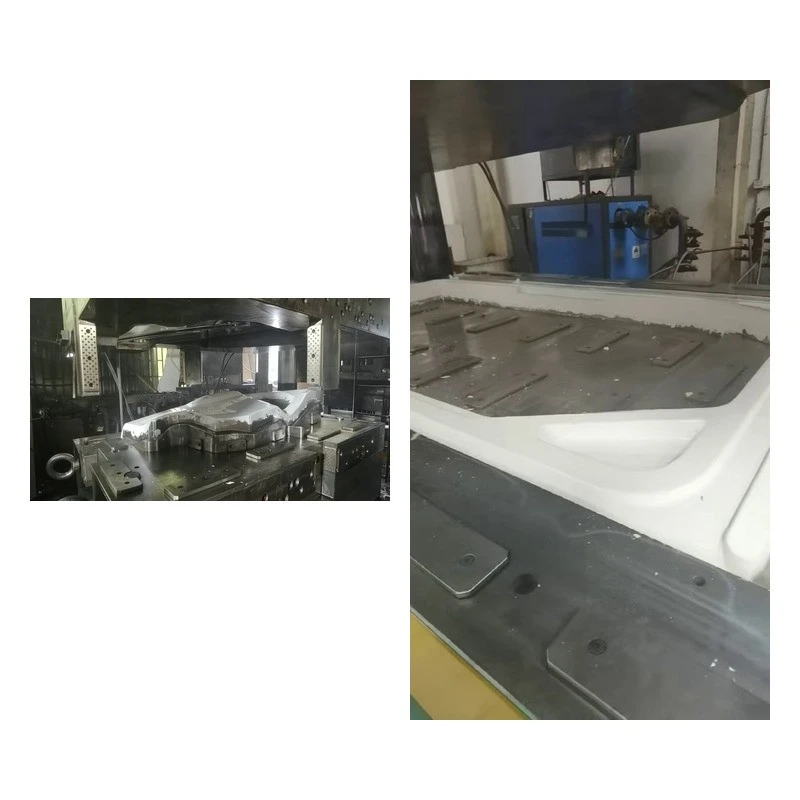
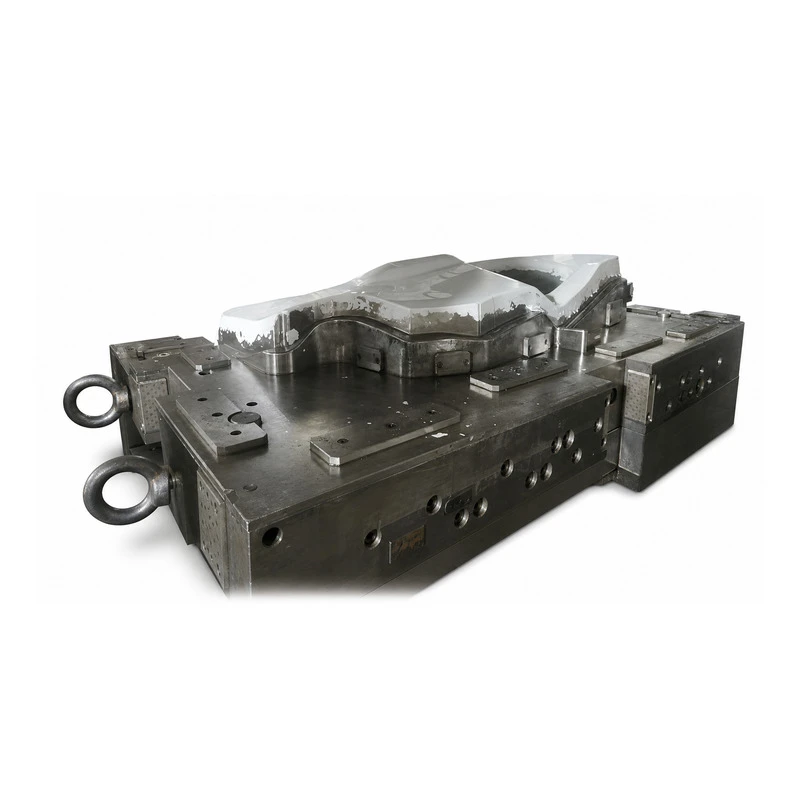
If you're ready to learn more about our prefabricated formwork molds, or want to discuss a custom project, we invite you to reach out to our team for a consultation. We'll walk you through the benefits, answer your technical questions, and help you find the right mold for your specific application. Whether you're exploring carbon fiber molds for lightweight applications, underbody shield molds for automotive production, or standard formwork molds for construction, we have the resources to support your success.
References
- Construction Industry Institute. (2022). Prefabrication and Modularization: Benefits, Challenges, and Implementation Strategies. The University of Texas at Austin.
- American Concrete Institute. (2021). Formwork for Concrete (7th ed.). ACI 347-21.
- Composite Mold Manufacturers Association. (2023). Advanced Composite Molds for Industrial Applications. Industry Technical Report.
- Automotive Manufacturing Solutions. (2022). Precision Tooling for High-Voltage Automotive Components. SAE International.
- National Institute of Building Sciences. (2021). Sustainability Benefits of Prefabricated Construction. Whole Building Design Guide.