


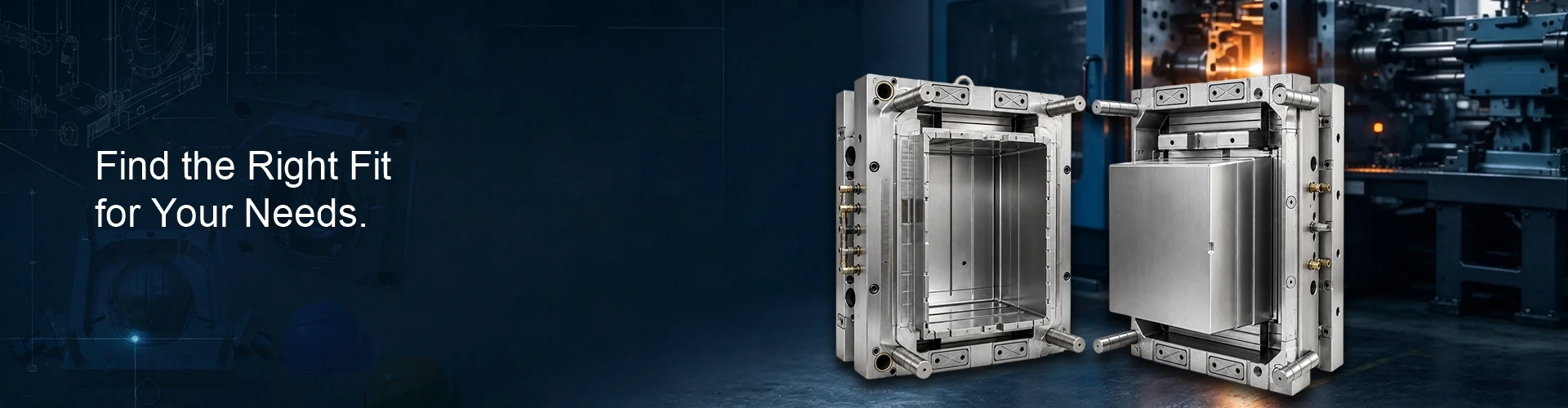
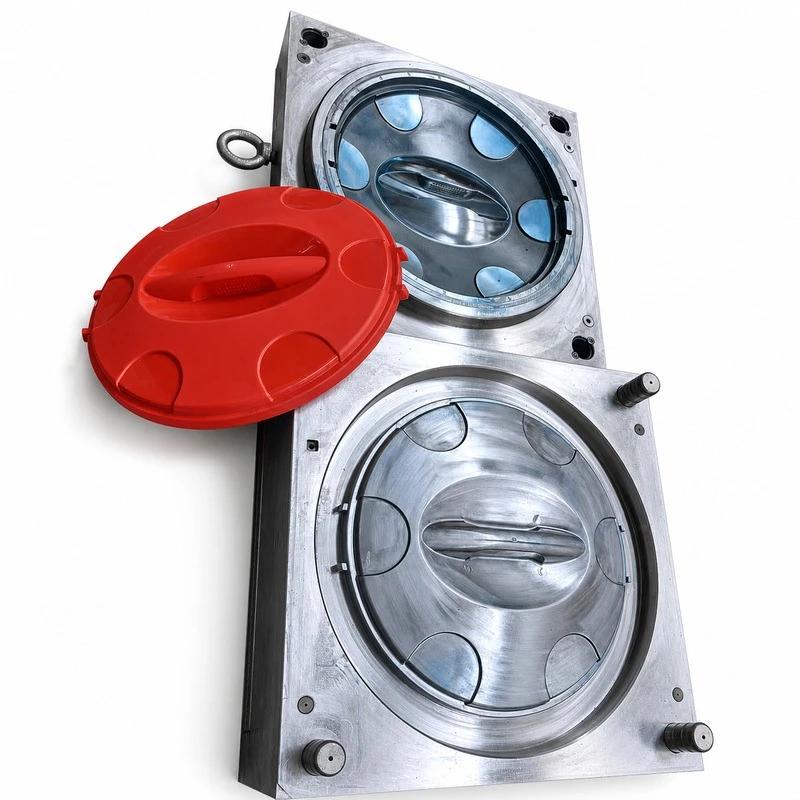
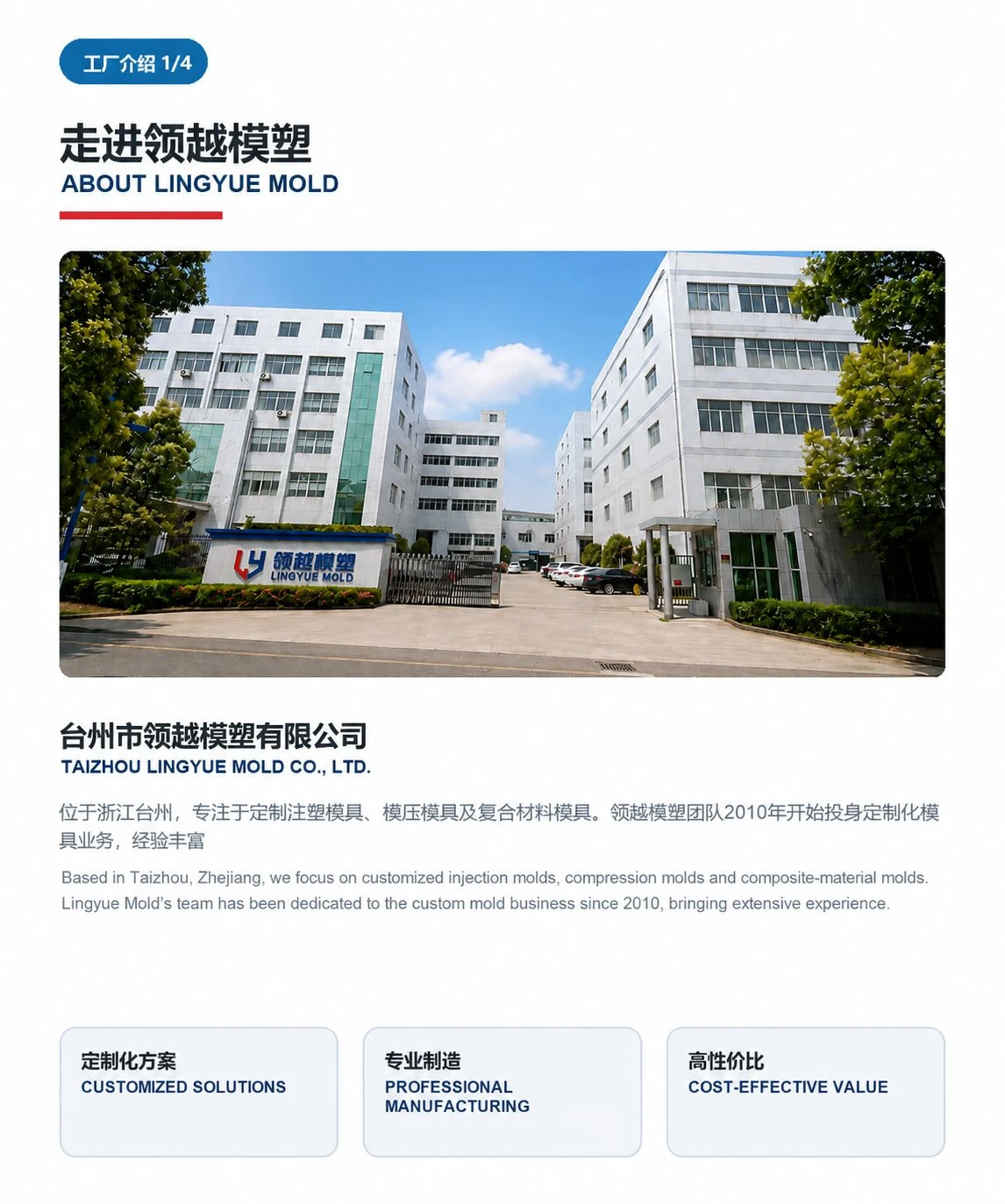
Taizhou Lingyue Mold and Plastic Co., Ltd. is one of the most reliable manufacturers and suppliers of plastic bucket mold in China. With abundant experience, we are committed to providing high quality customized products with low price. We are warmly welcome you to buy advanced plastic bucket mold made in China here from our factory. If you have any enquiry about quotation, please feel free to email us.
Product Details
Custom Plastic Bucket Injection Mold
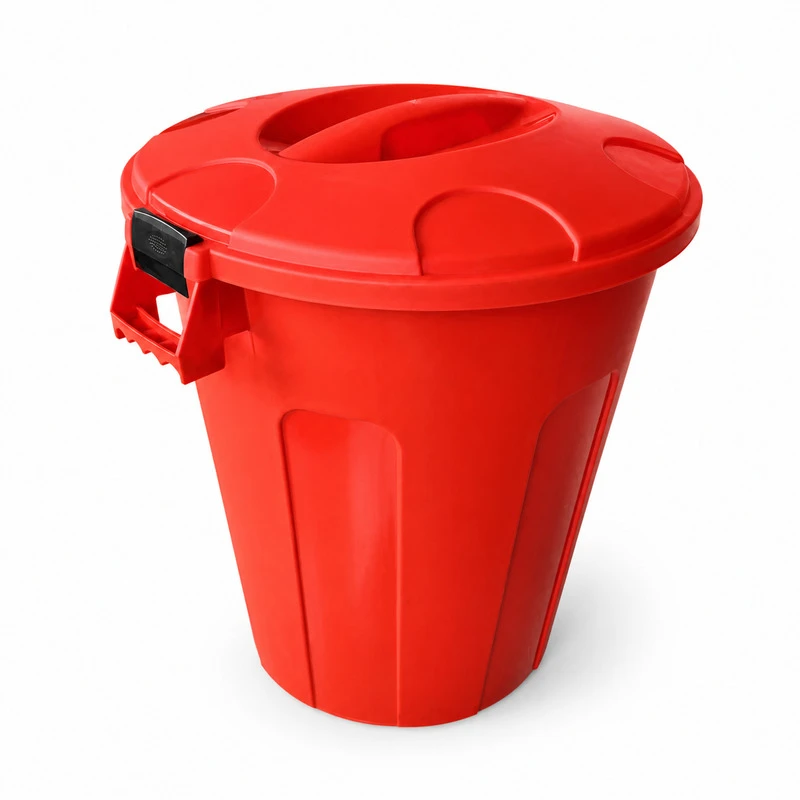
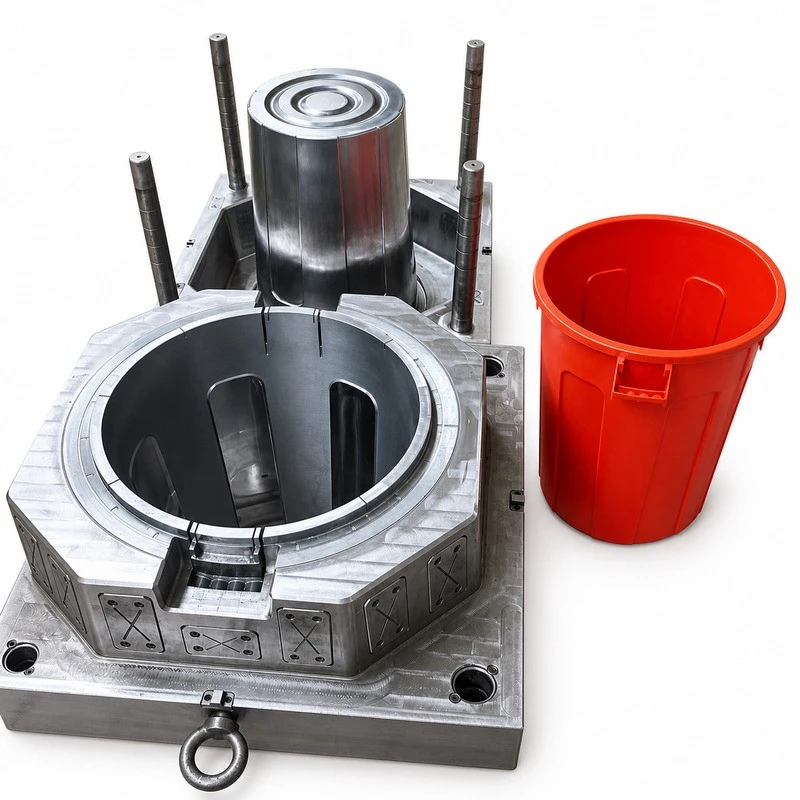
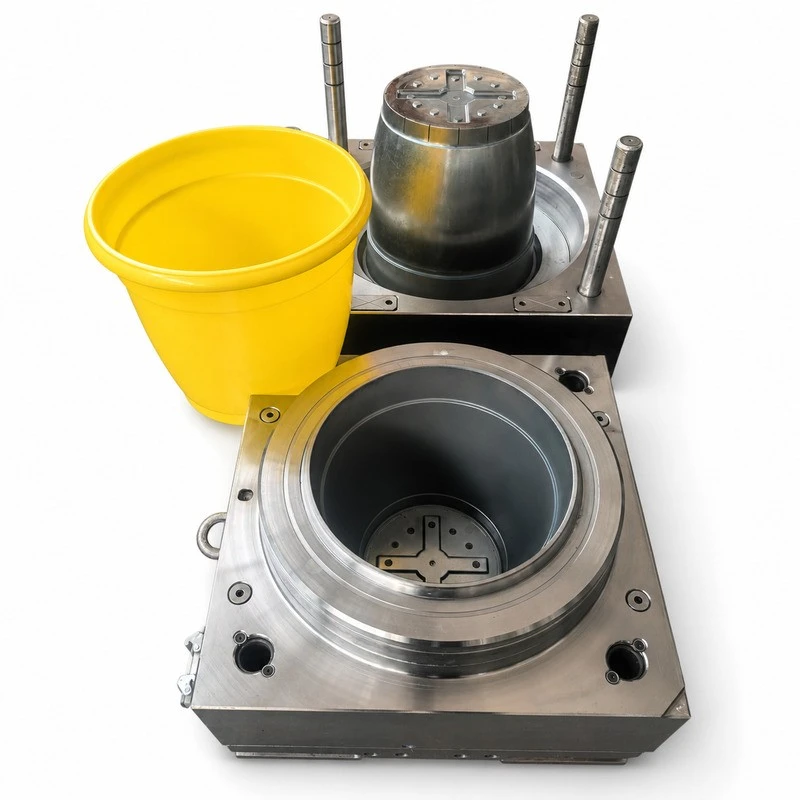
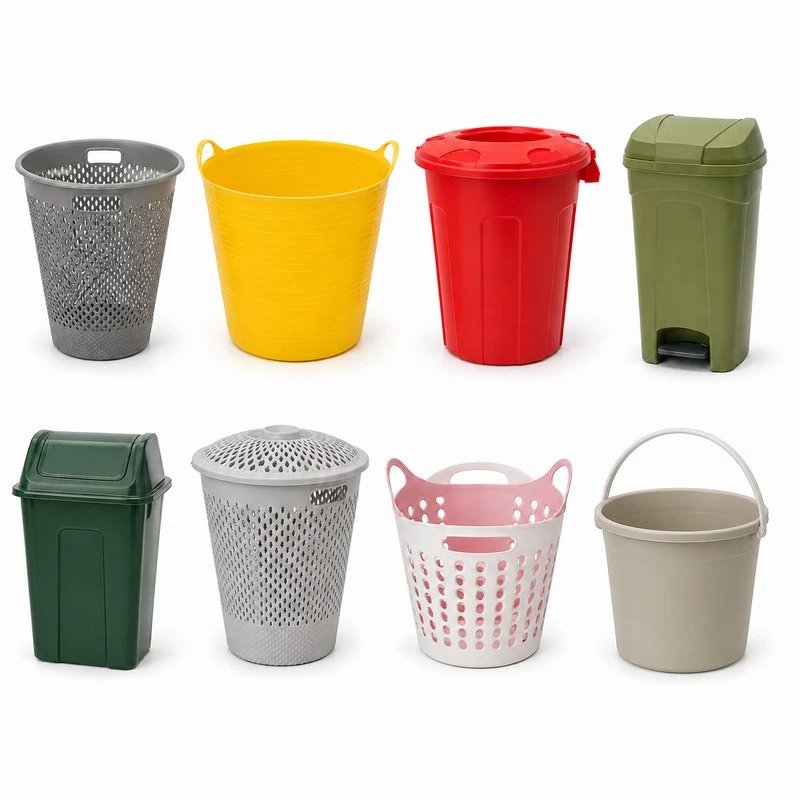
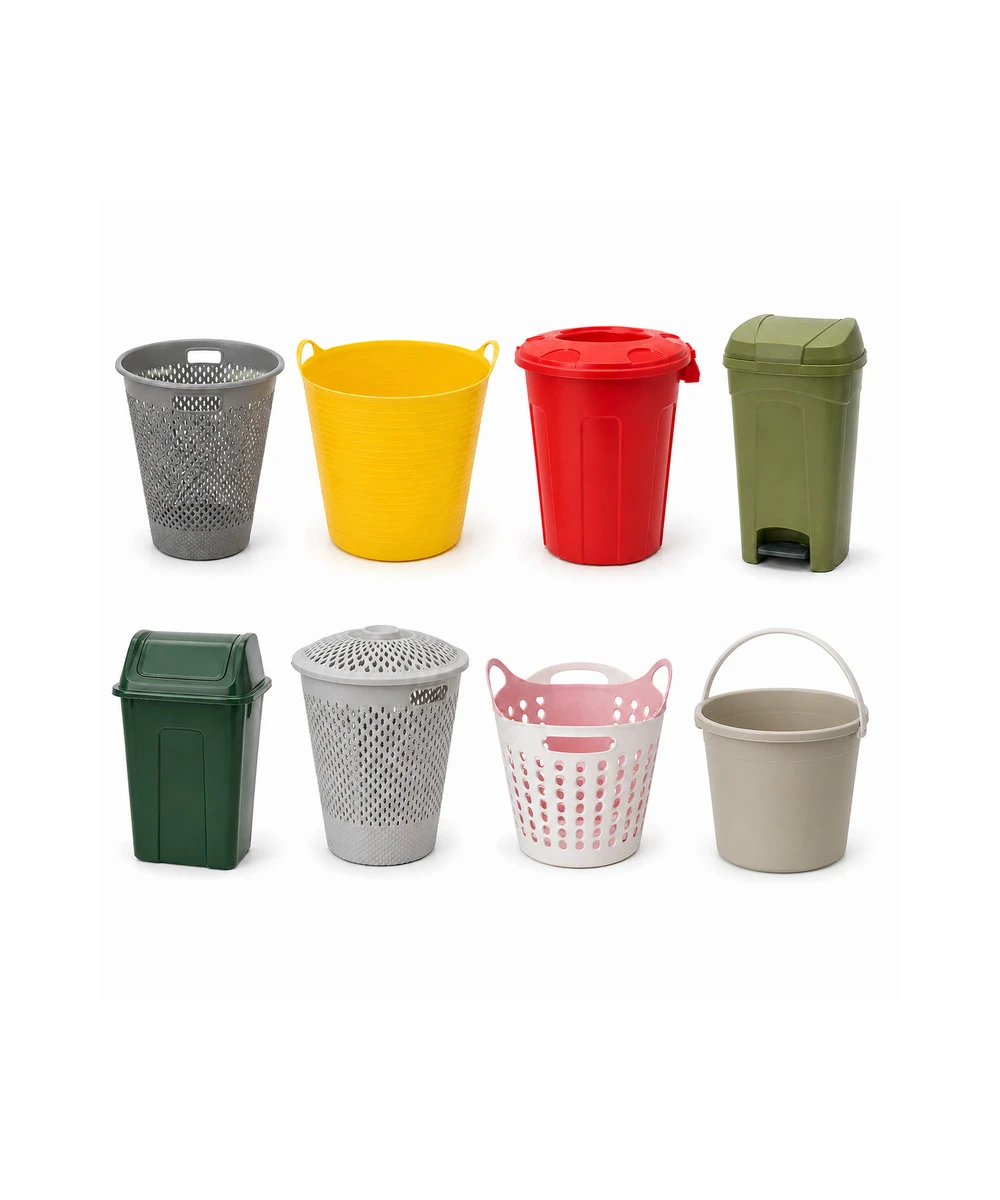
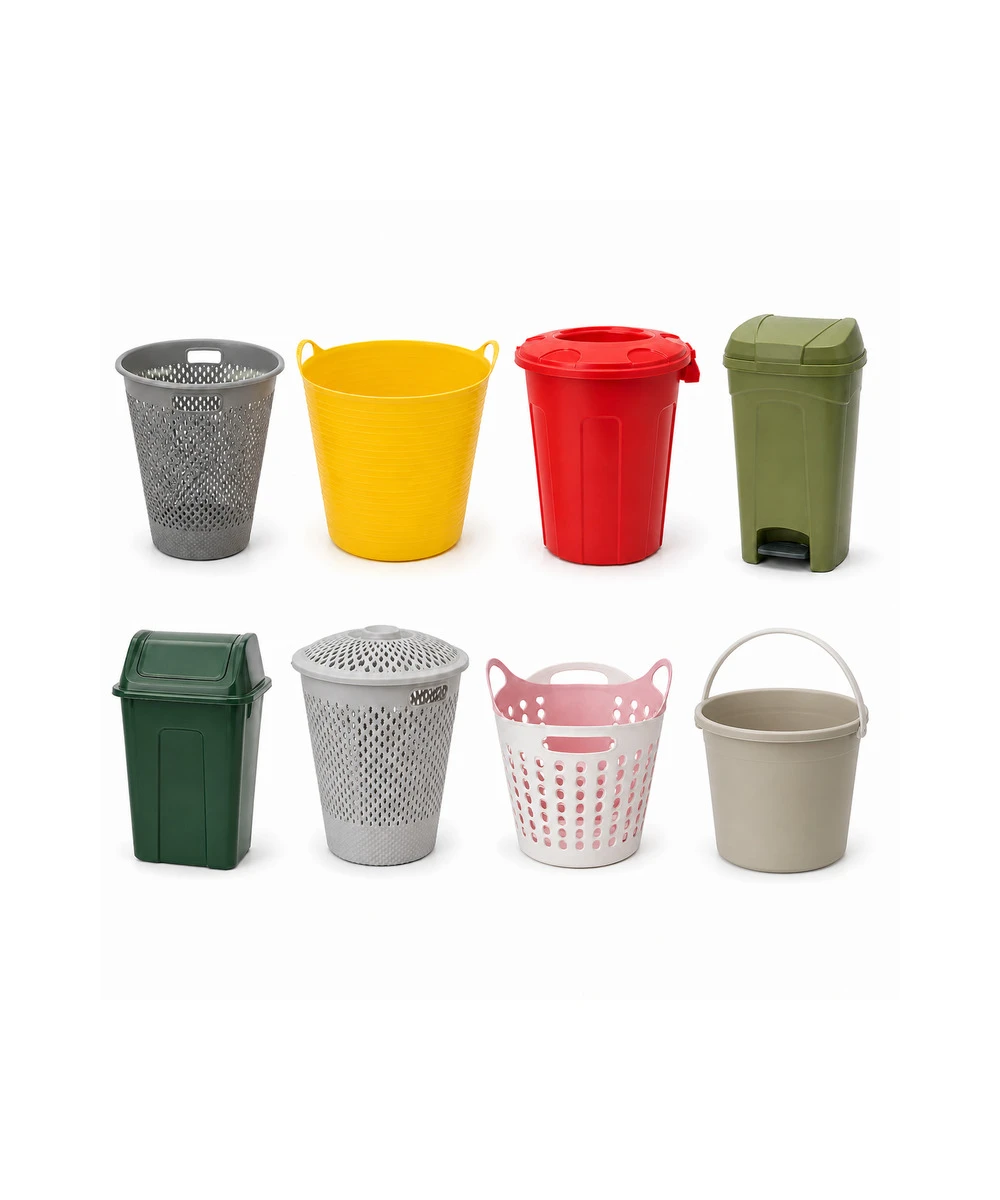
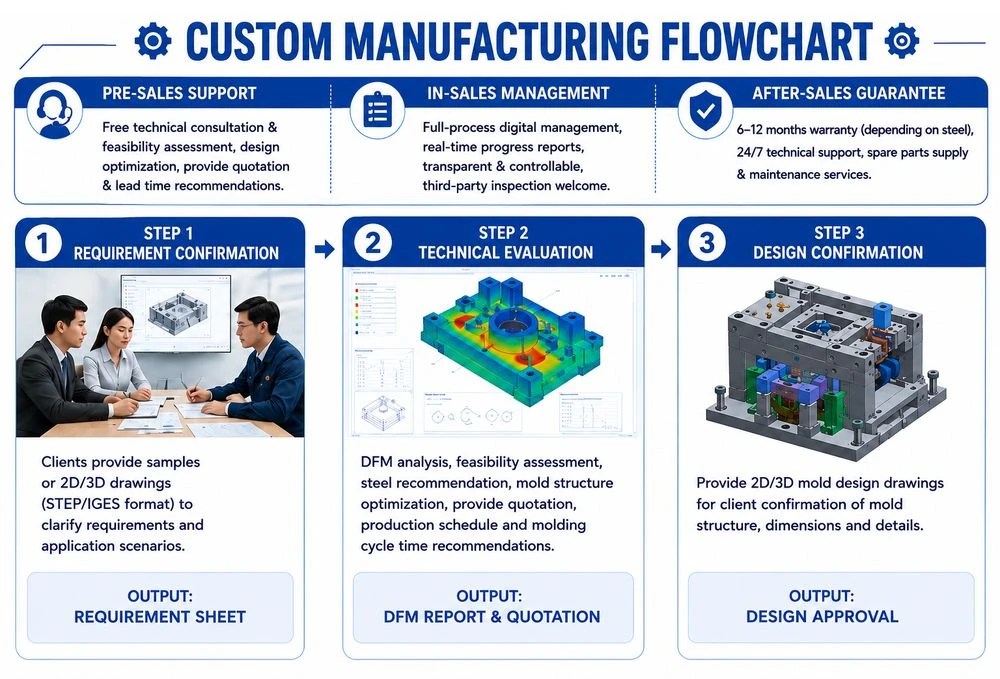
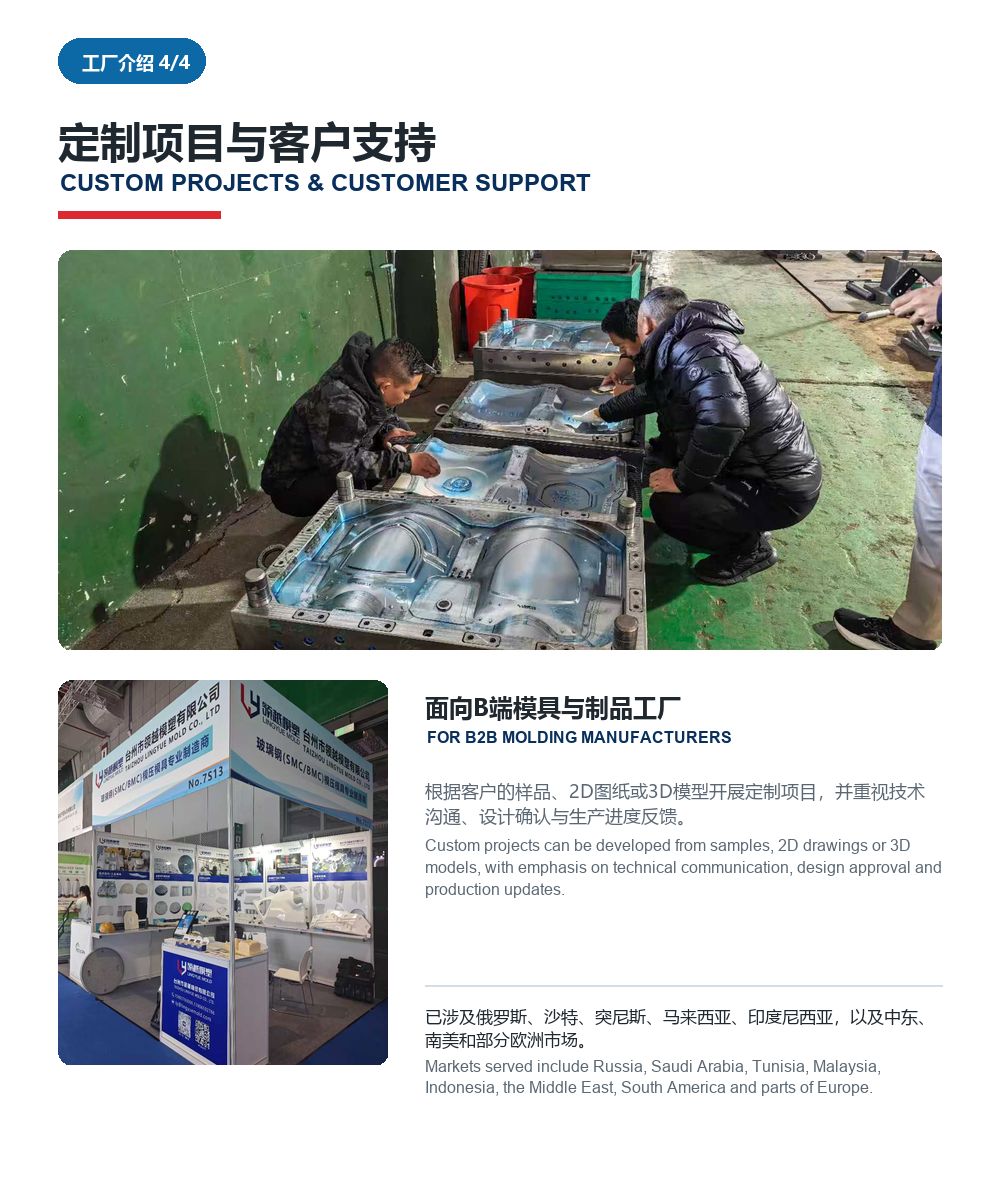
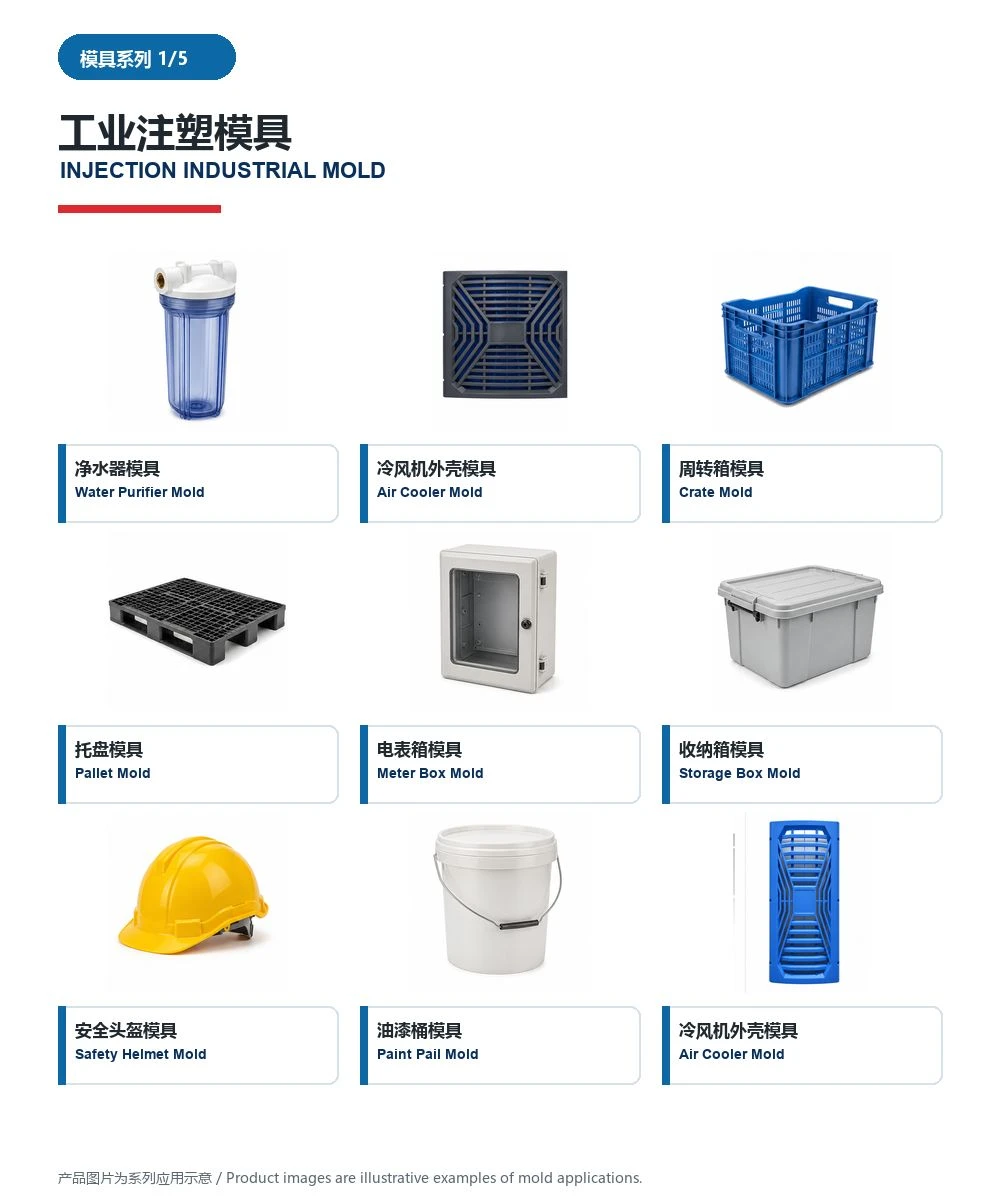
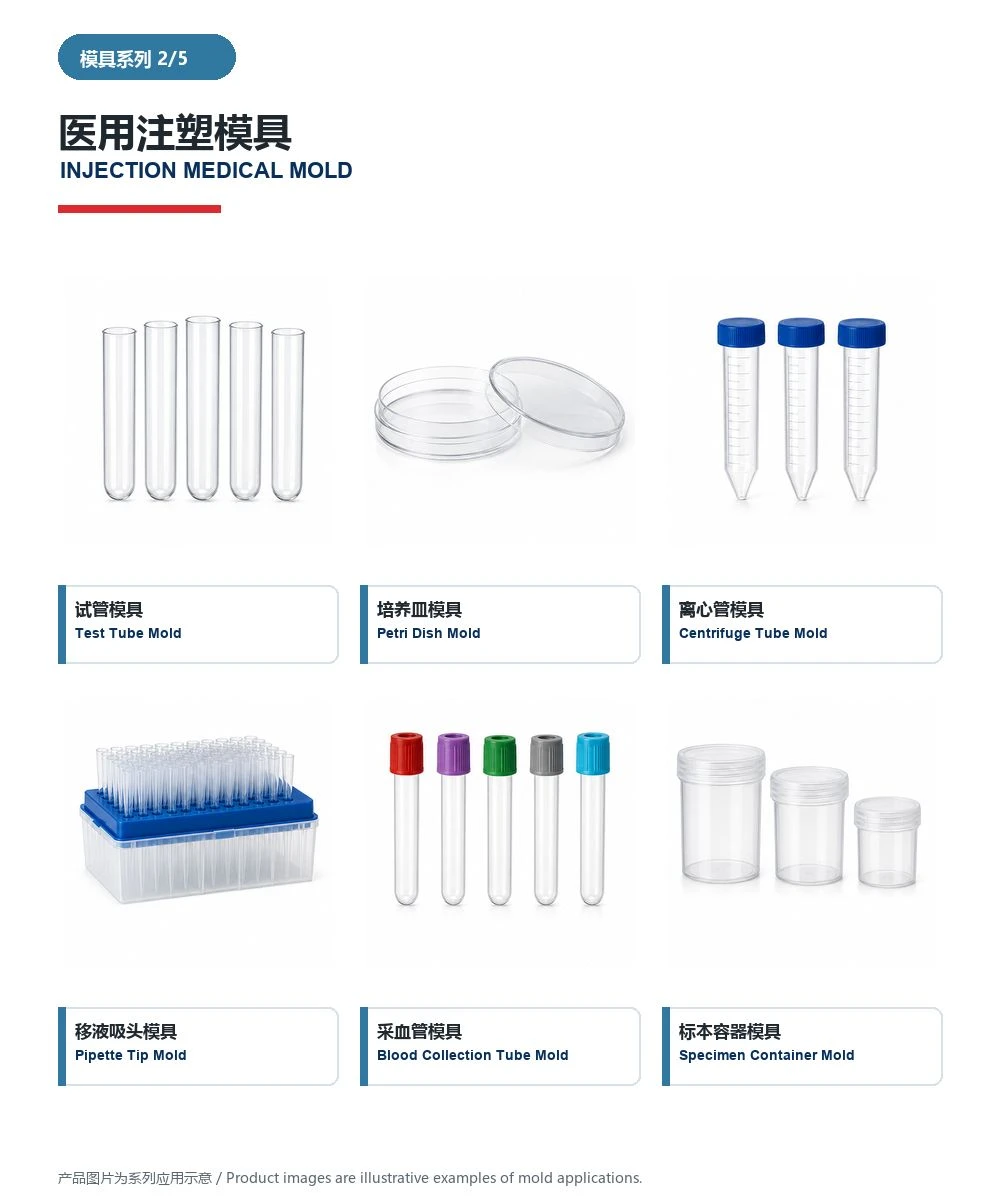
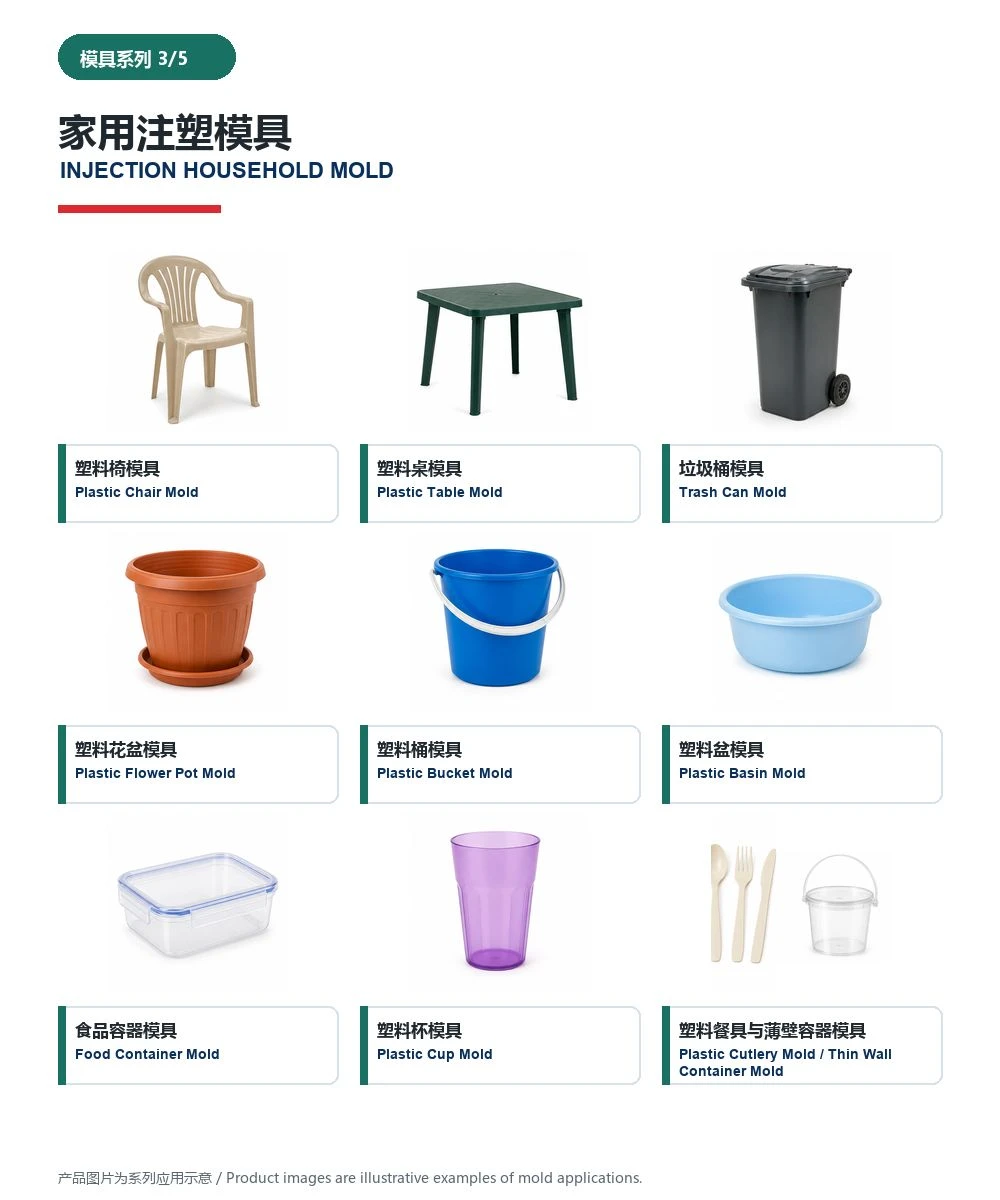
Lingyue's plastic bucket mold range supports household cleaning, industrial production, construction, agriculture, and waste-collection applications. It can be customized for household buckets, industrial pails, lidded bins, and flexible two-handle tubs. Product capacity, dimensions, weight, and wall thickness are developed to the customer's confirmed requirements. Design work can begin from a physical sample, 2D drawing, 3D model, and available injection-machine data.
The mold can be engineered for PP, HDPE, glass-fiber-reinforced PP, or another confirmed resin. Material shrinkage, flow behavior, stiffness, product geometry, and service conditions are reviewed before the structure is finalized. Cavity quantity is selected according to part size, production target, and machine capacity. Either a cold-runner or hot-runner system may be used. Ejection, demolding, and cooling layouts are customized around the rim, base, ribs, handles, lid features, and areas where deformation or uneven cooling must be controlled.
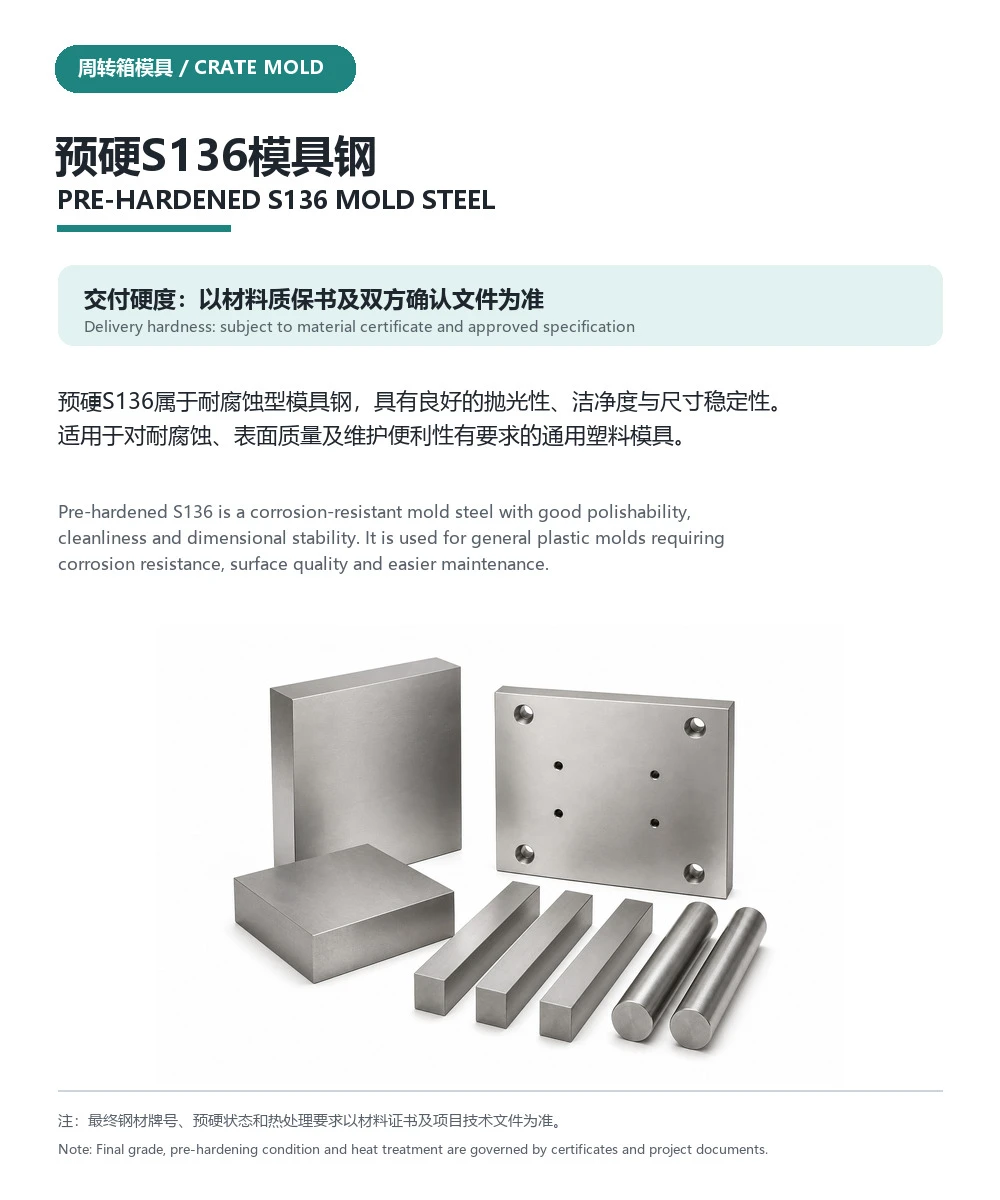
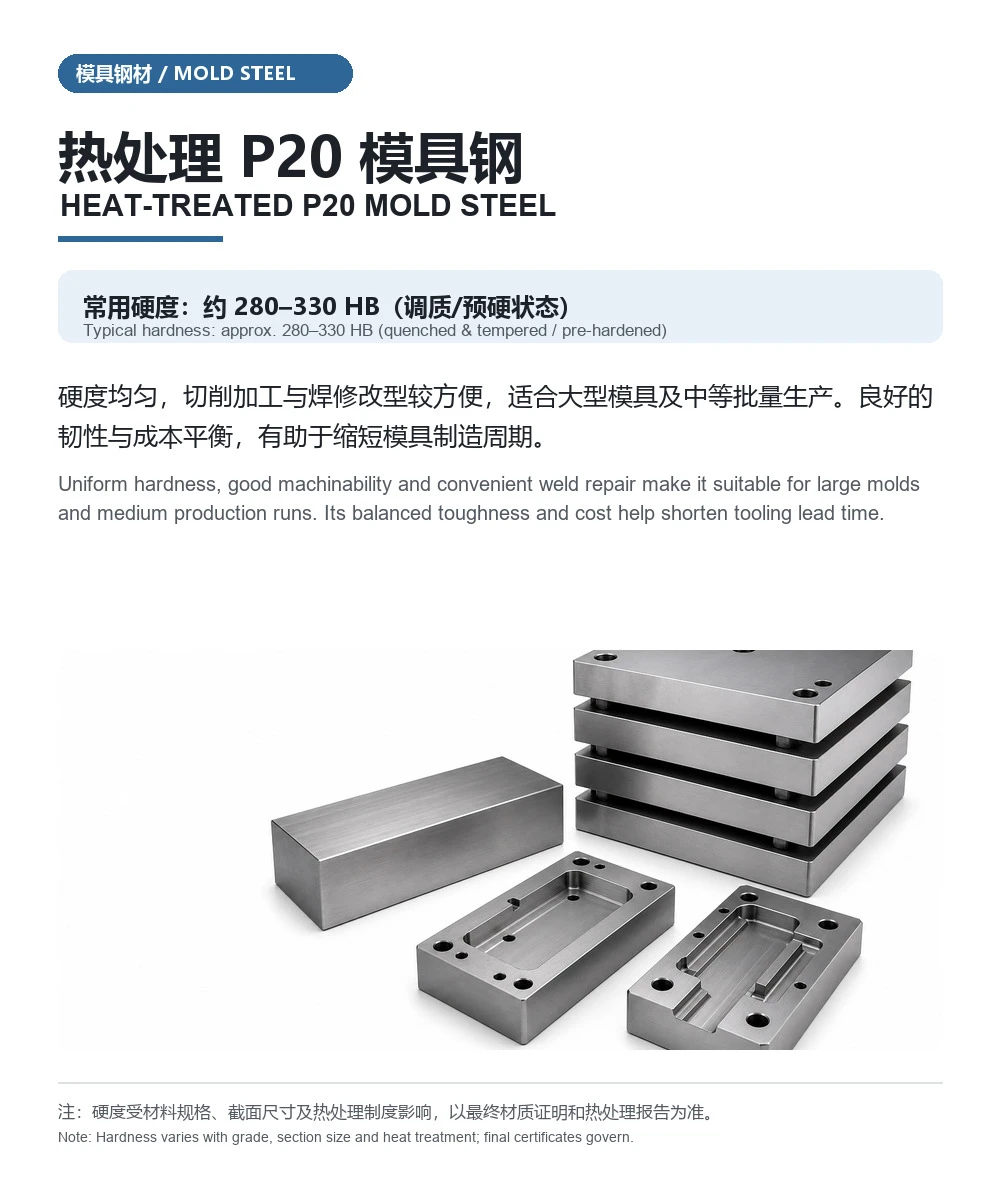
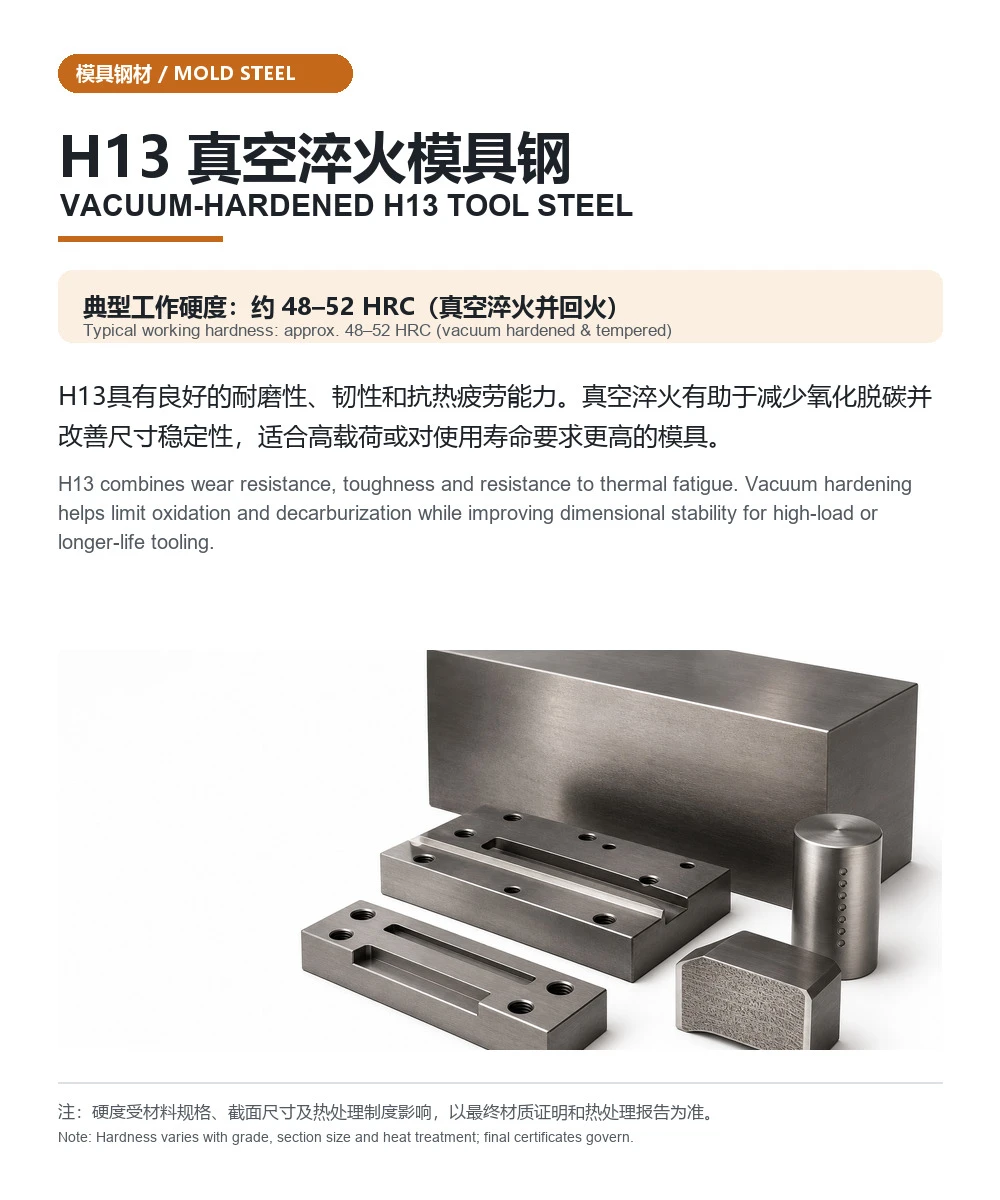
Common steel options include P20, 718H, and H13. The final steel grade, heat treatment, and surface treatment are confirmed according to output, molding material, appearance requirements, maintenance plan, and budget. Mold dimensions and weight are project-specific. Our engineers evaluate clamping force, tie-bar spacing, mold thickness, opening stroke, injection capacity, and interface requirements before recommending machine compatibility.
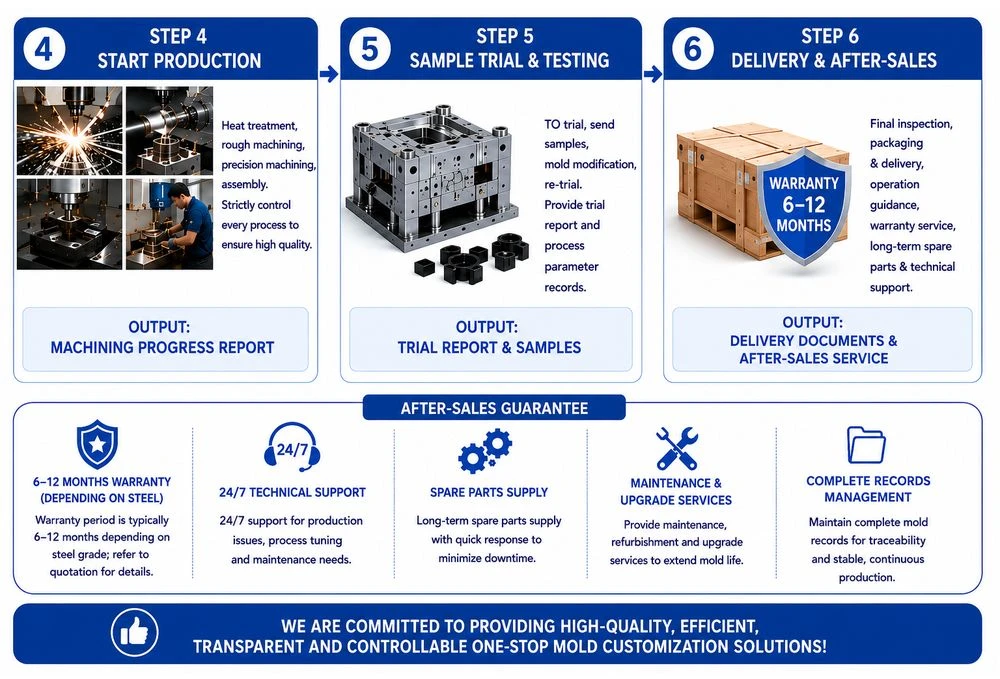
With suitable steel, correct operation, and scheduled maintenance, the target service life can exceed 500,000 molding cycles. Actual life depends on steel and heat treatment, resin formulation, process settings, operating practice, and maintenance. A typical lead time is 40–60 days from approved design, subject to complexity, runner components, trials, and agreed modifications. This plastic bucket mold is supplied as a customized production tool, with final specifications governed by the approved technical documents.
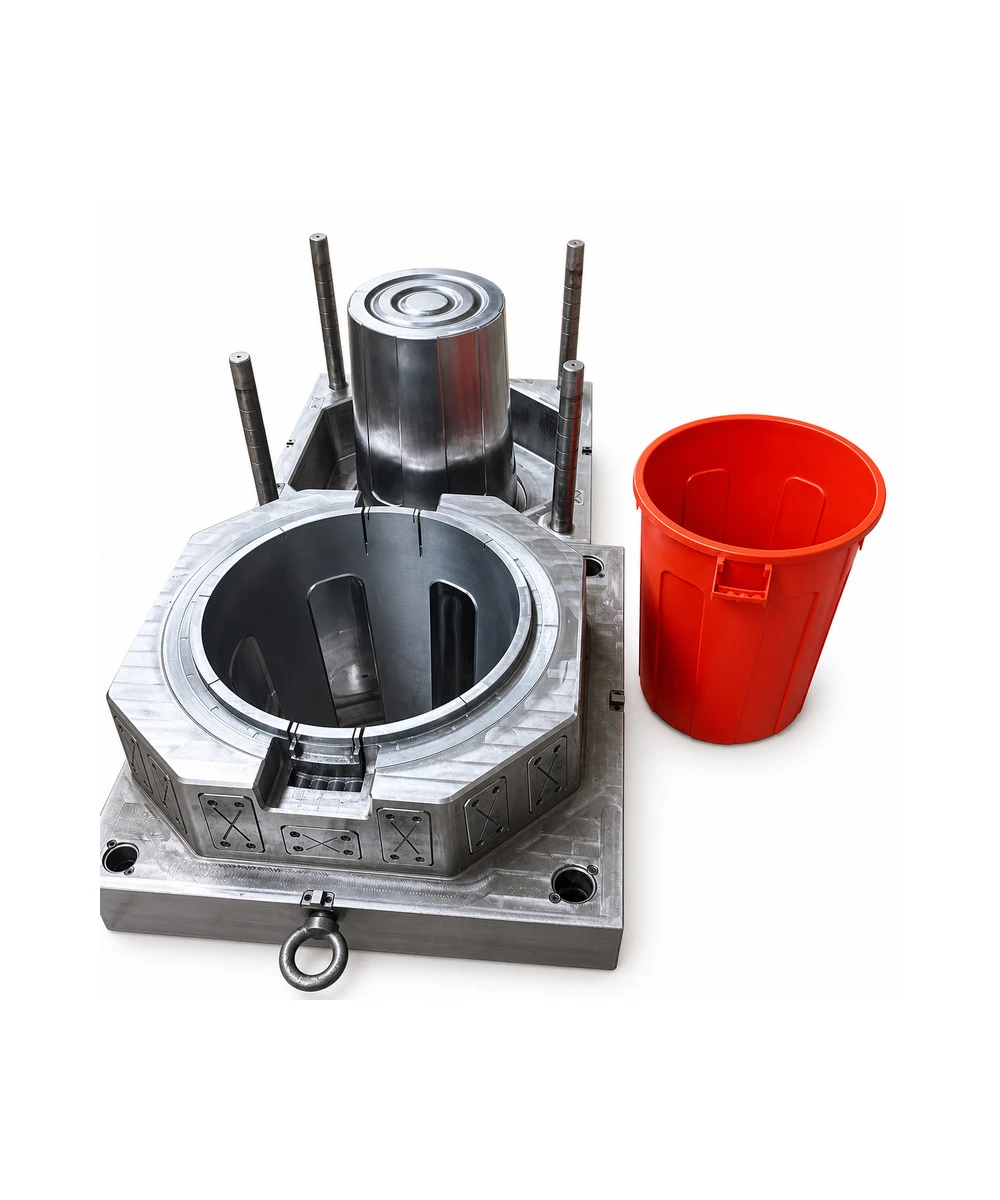
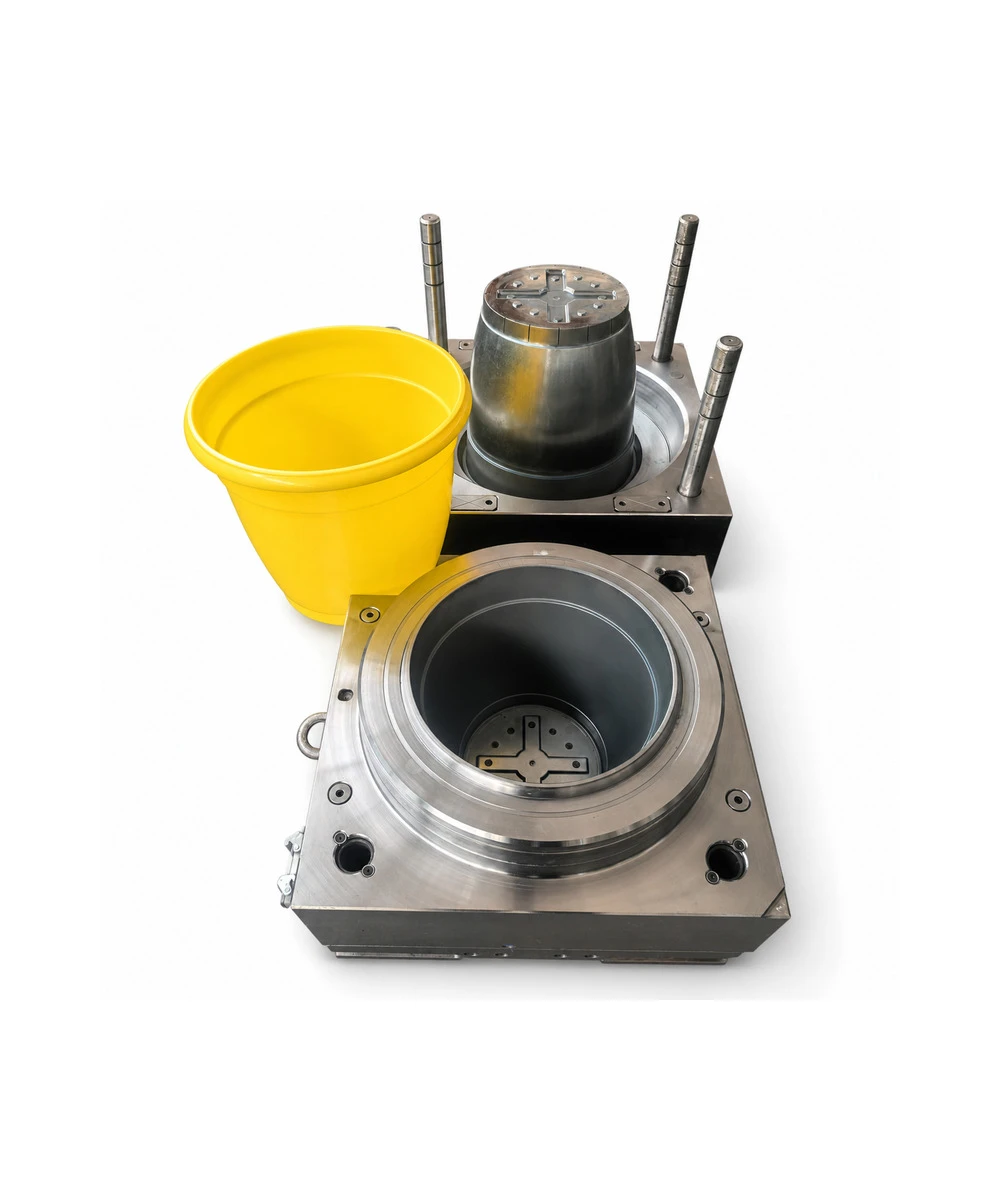
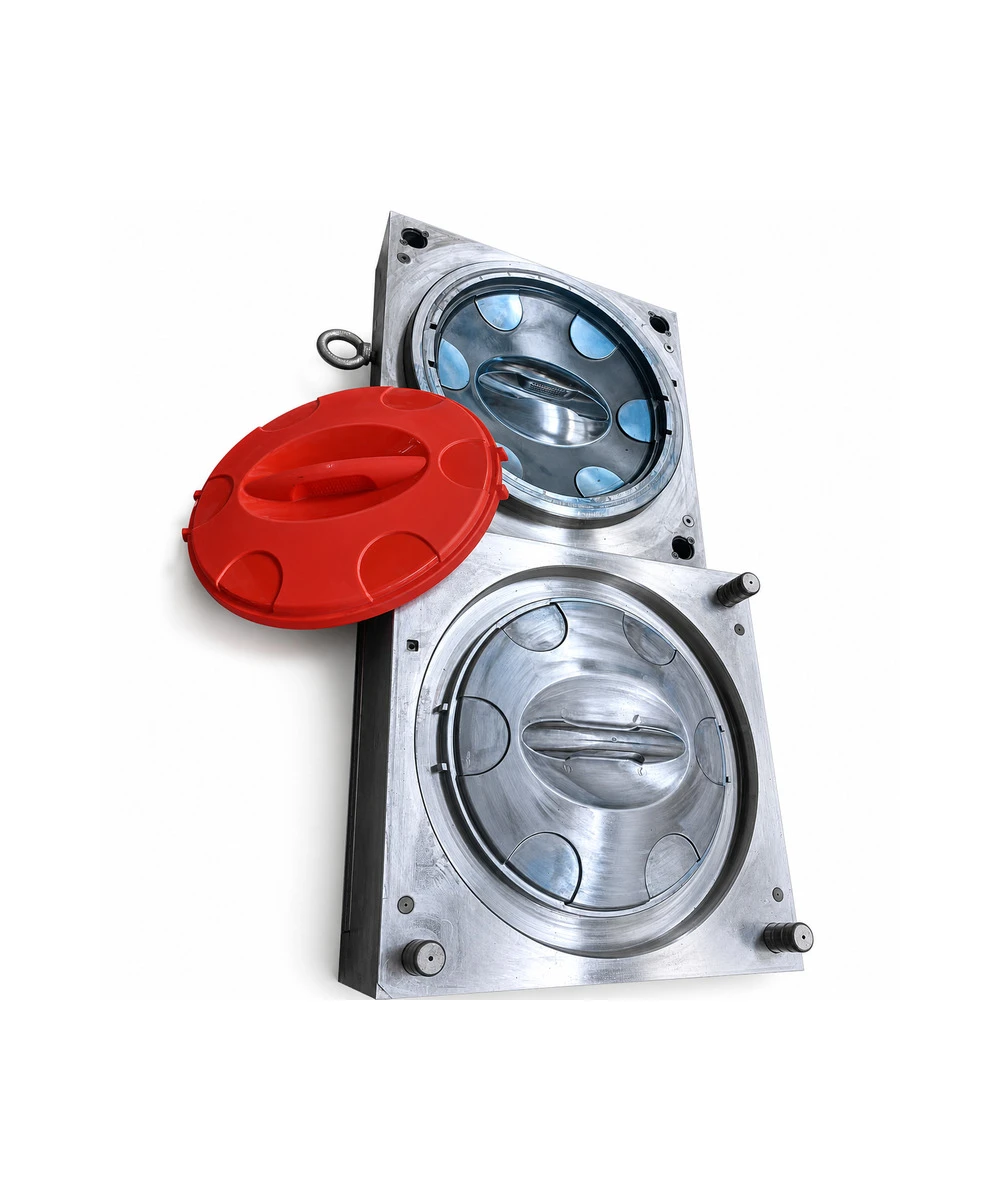
P20, 718H, H13, and other suitable grades may be selected. Final steel and heat treatment follow the approved mold specification. Product size, cavity quantity, runner, ejection, cooling, mold dimensions, and weight are customized to the product and injection machine.
Application Scenarios
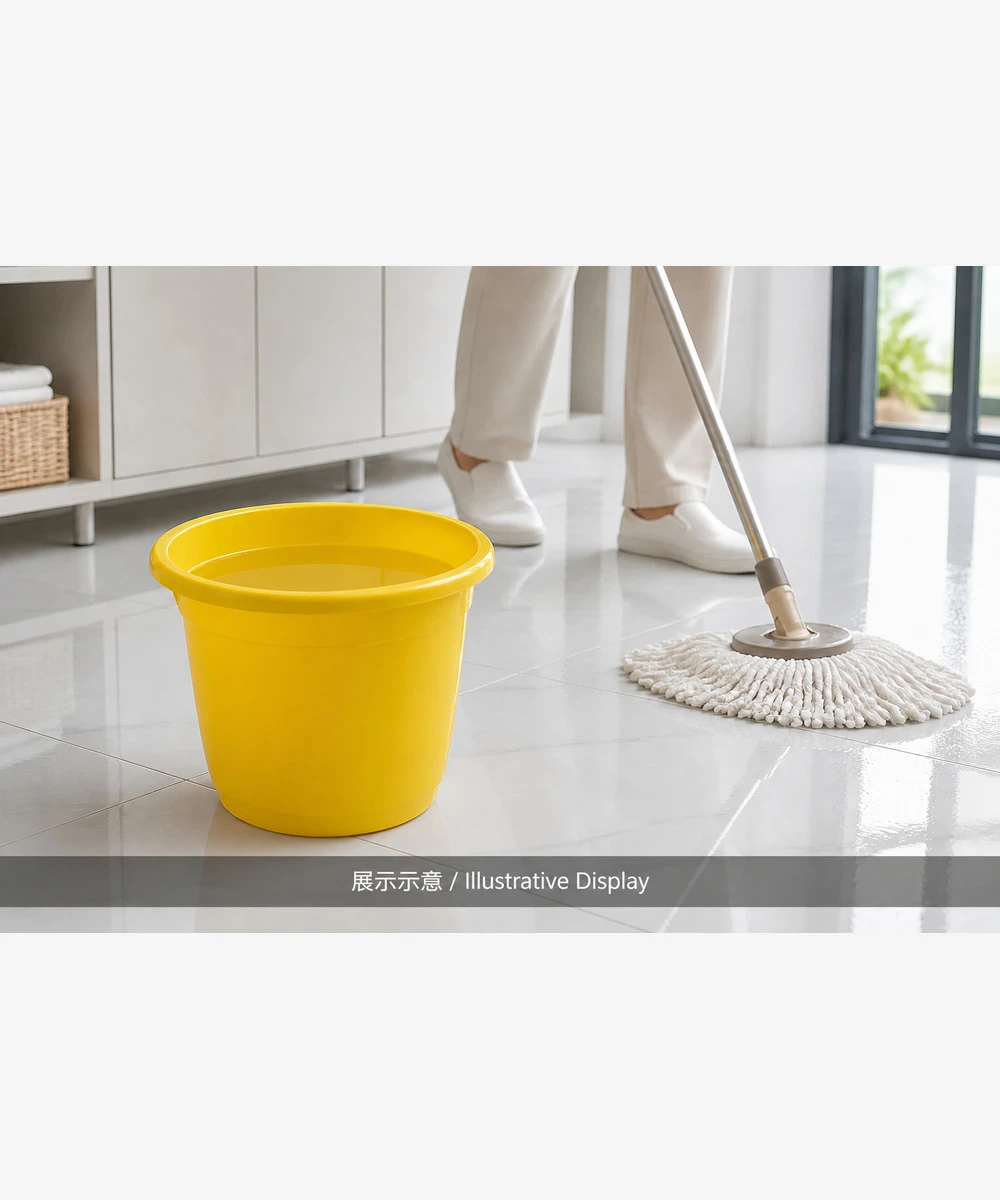
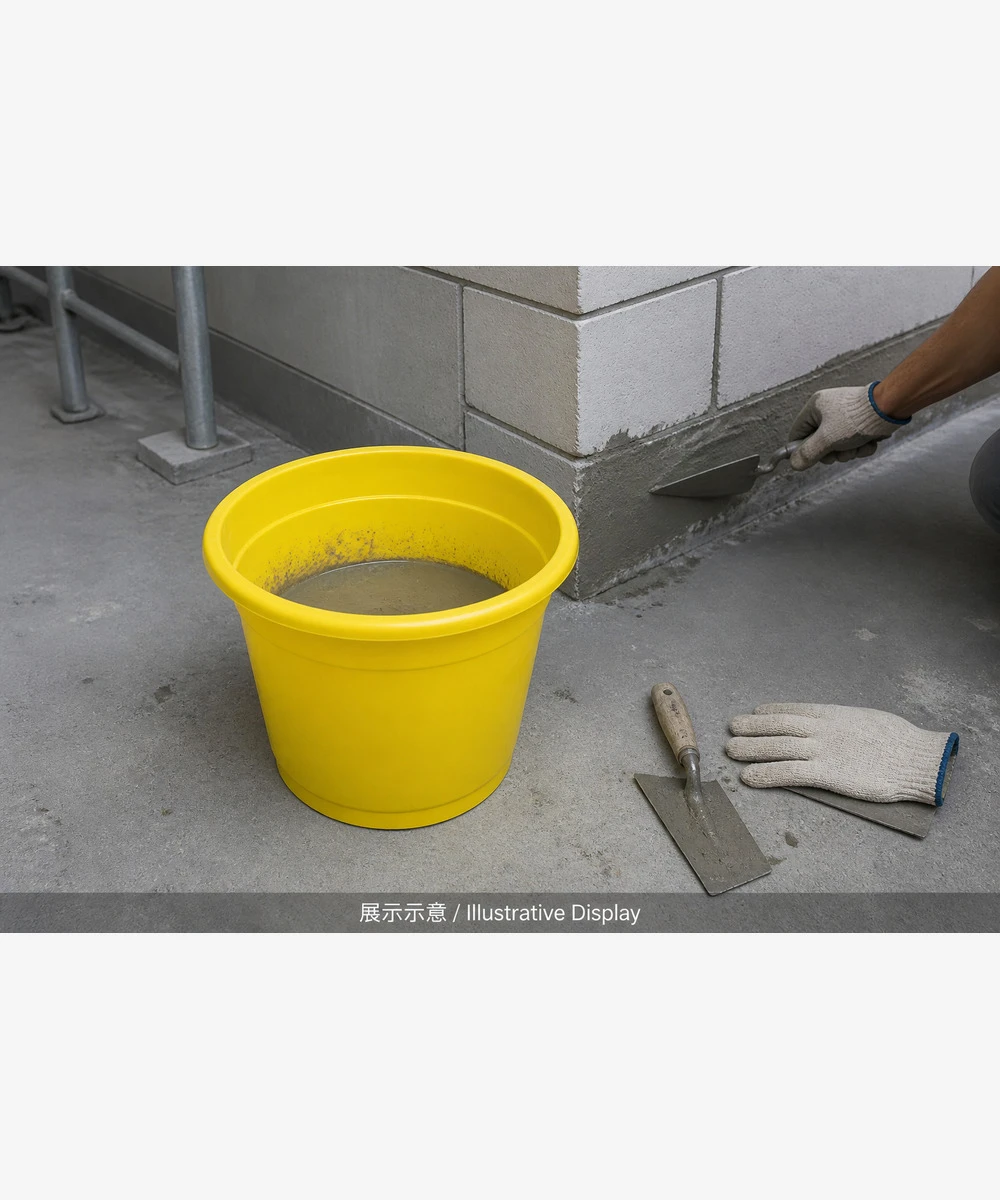
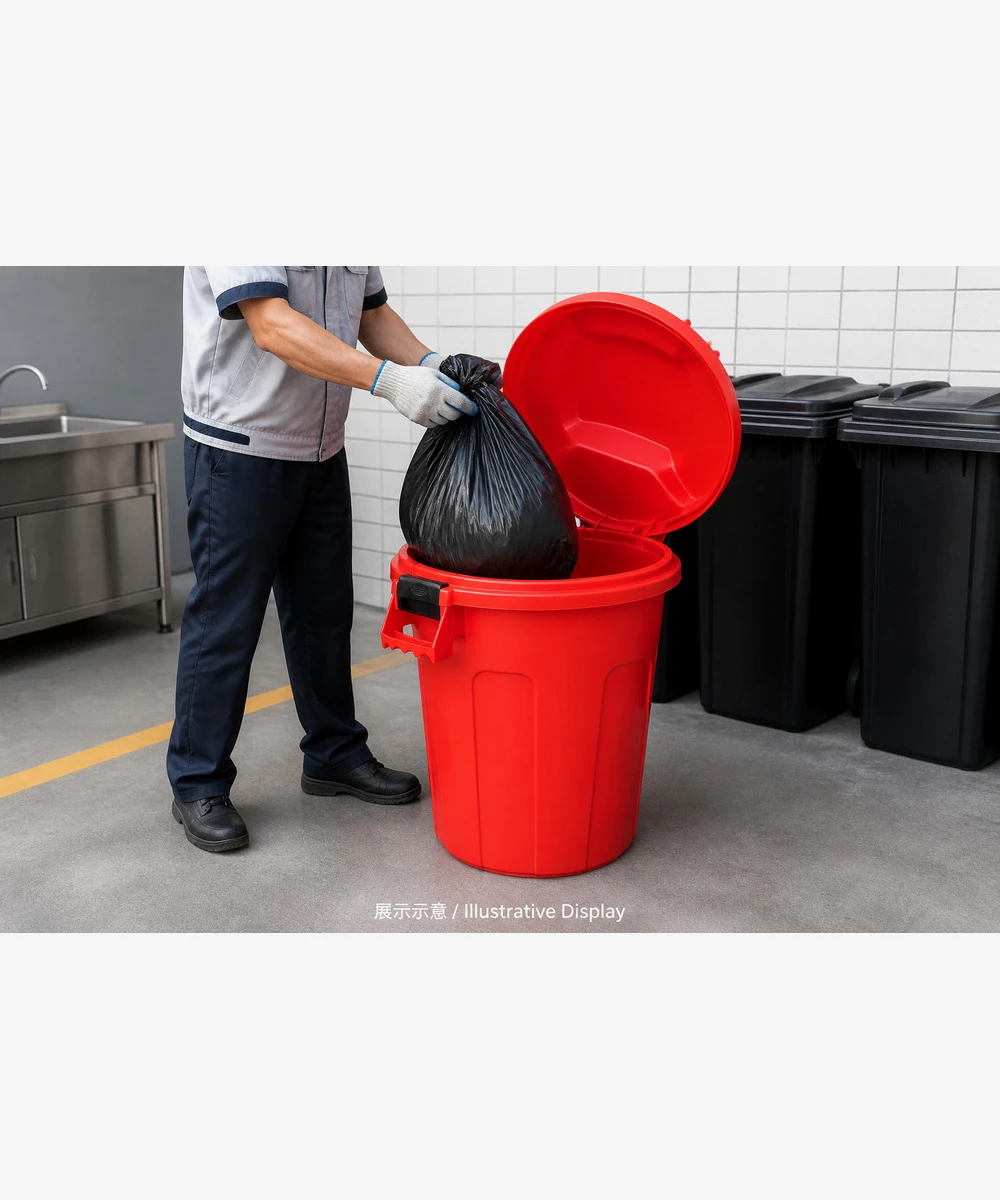
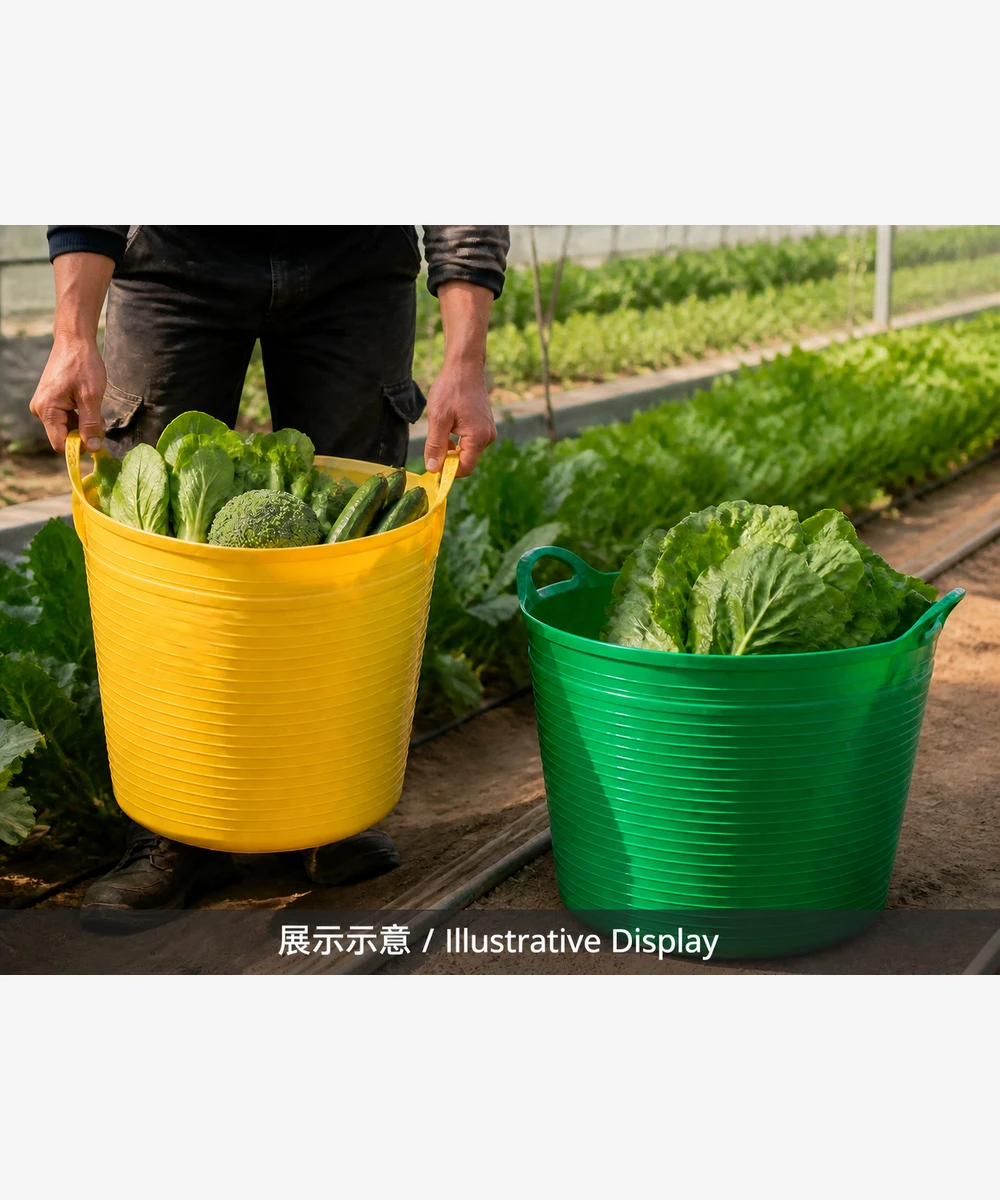
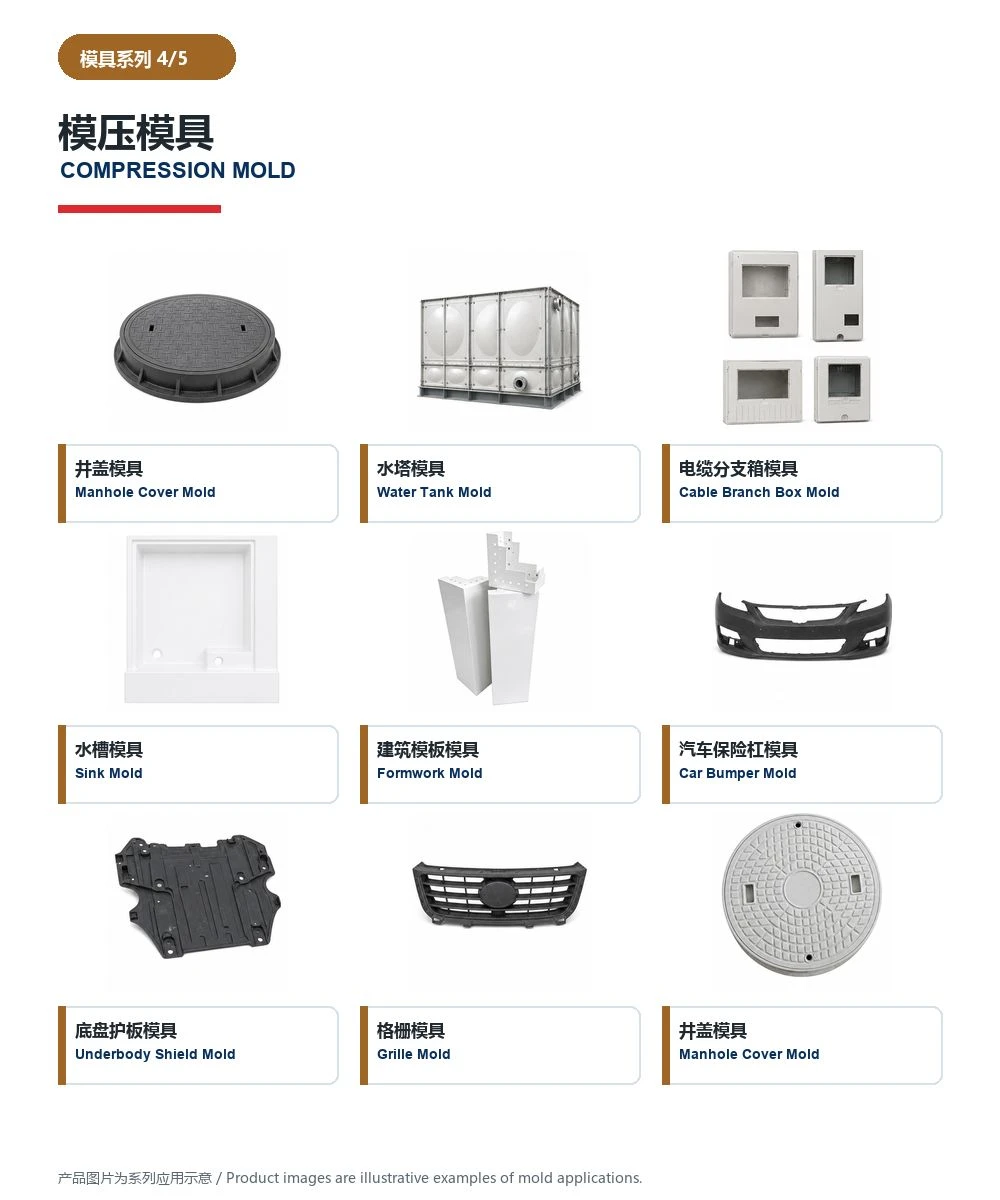
Plastic bucket molds can support household cleaning, construction, commercial waste collection, and agricultural handling. The following scenes are illustrative displays. Final bucket type, capacity, structure, and material are subject to customization.
Mold Customization Process
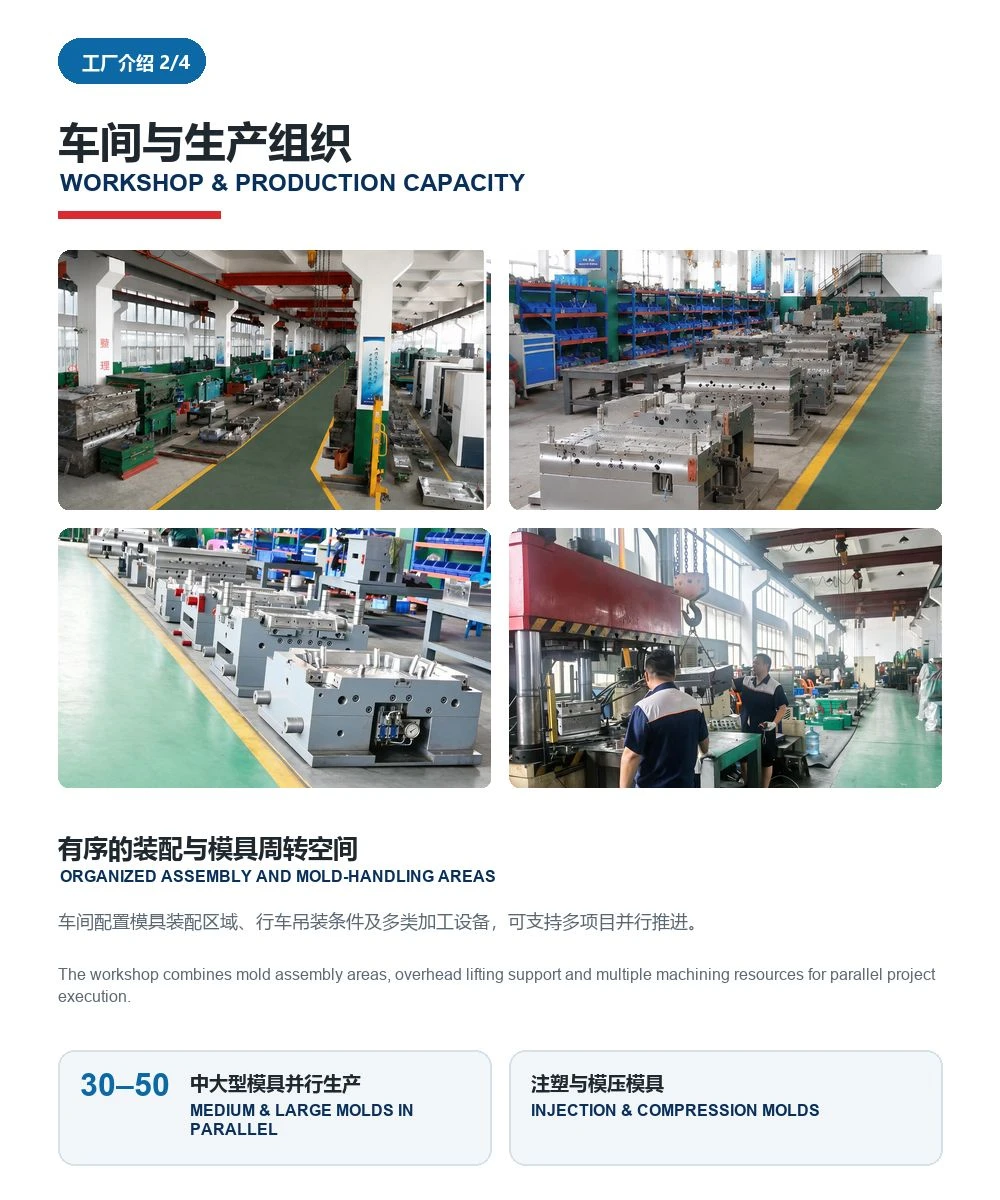
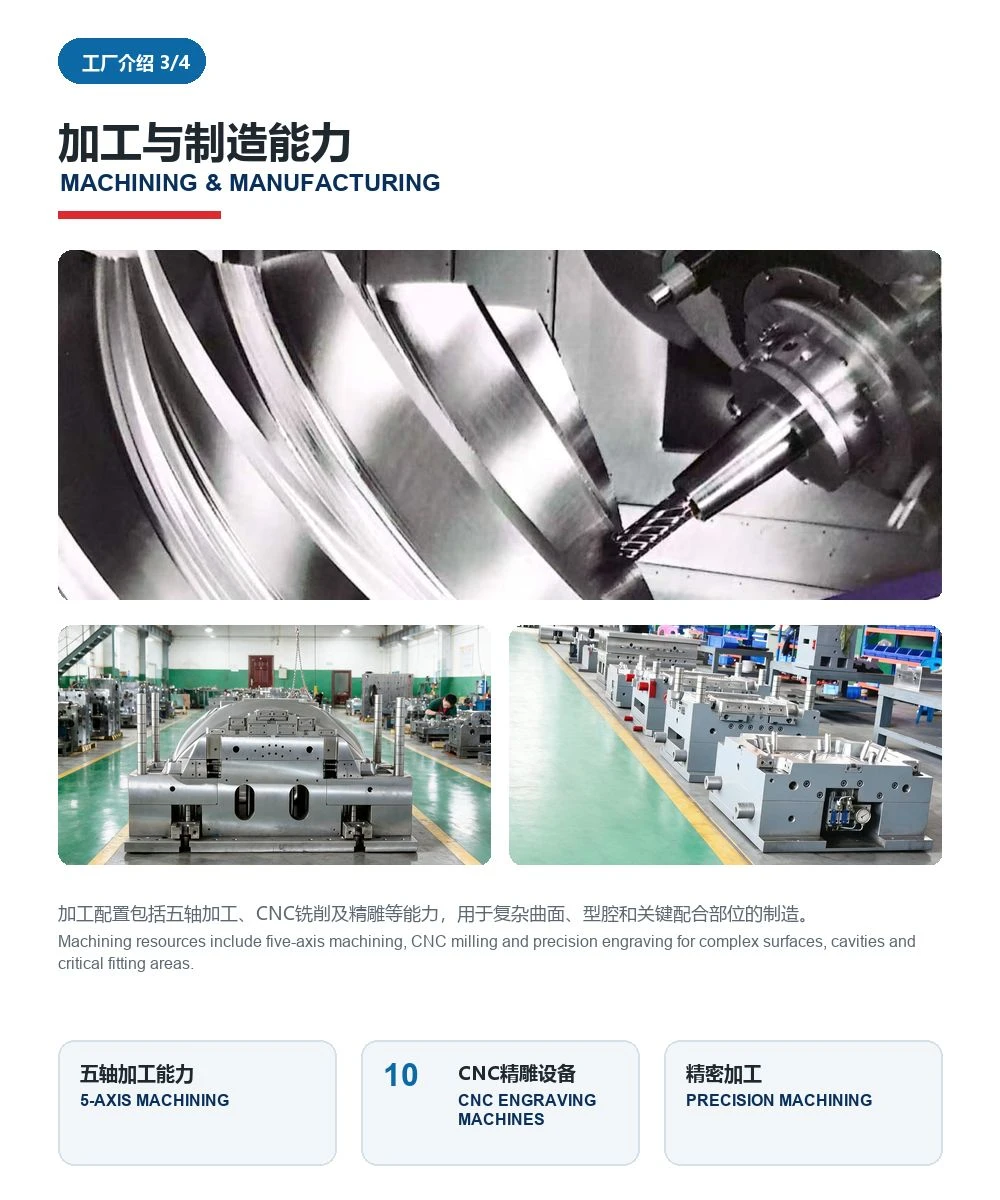
Factory Introduction
FAQ
Q: What products can a plastic bucket mold produce?
A: It can produce household buckets, industrial pails, waste bins, lidded containers, and flexible two-handle tubs, subject to the confirmed product design.
Q: Which plastics are suitable?
A: PP, HDPE, glass-fiber-reinforced PP, and other confirmed grades can be evaluated against the product requirements.
Q: How is cavity quantity determined?
A: It is determined from part size, required output, molding cycle, and injection-machine capacity.
Q: Cold runner or hot runner?
A: Either can be used, depending on the product, resin, gate requirements, color changes, and budget.
Q: How is the mold matched to the injection machine?
A: Engineers review clamping force, tie-bar spacing, mold thickness, opening stroke, injection capacity, and interfaces.
Q: How is bucket deformation controlled?
A: Wall thickness, ribs, gate position, cooling uniformity, and ejection must be optimized together rather than relying on one setting.
Q: How can the molding cycle be reduced?
A: Cooling, plasticizing, injection, and holding settings should be optimized while maintaining dimensional and appearance requirements.
Q: Why do sink marks occur at the rim or base?
A: They are often related to local thickness, ribs, holding pressure, and cooling; gate and part design should be reviewed together.
Q: How can sticking and drag marks be prevented?
A: Draft, surface finish, balanced ejection, cooling time, and material condition should be checked.
Q: How does glass-fiber material affect the mold?
A: Glass-filled resin is more abrasive, so steel, hardness, and wear treatment should be evaluated for runner, gate, and cavity areas.
Hot Tags: plastic bucket mold, China plastic bucket mold manufacturers, suppliers, factory


