


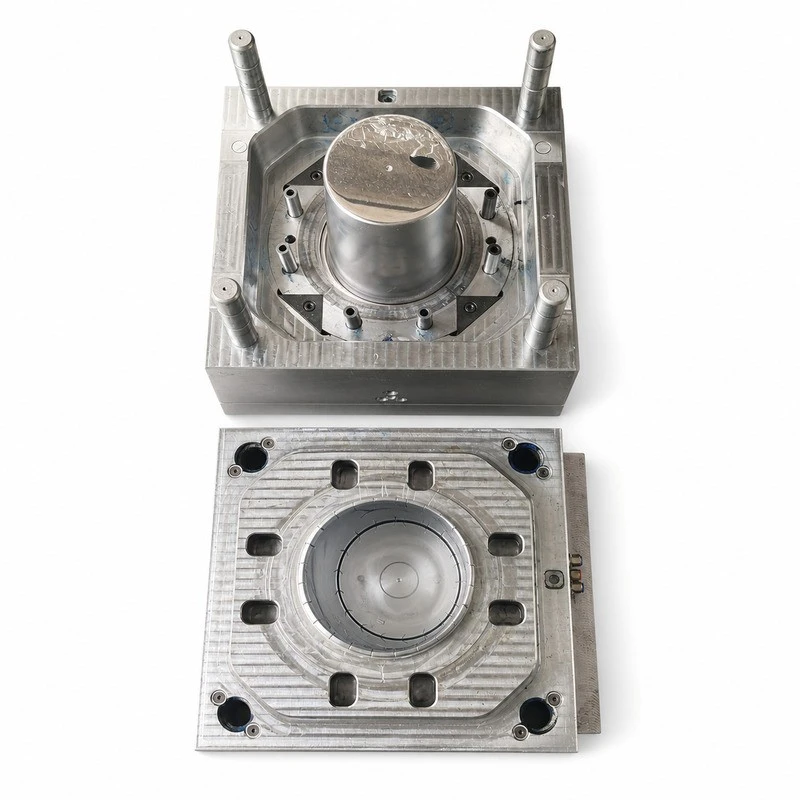
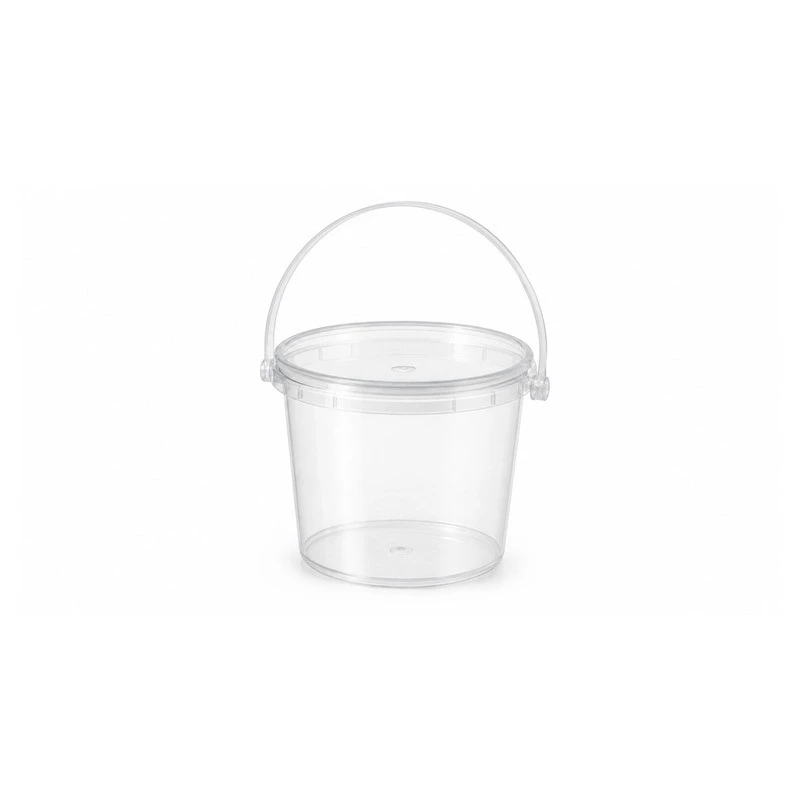
Taizhou Lingyue Mold and Plastic Co., Ltd. is one of the most reliable manufacturers and suppliers of thin wall container mold in China. With abundant experience, we are committed to providing high quality customized products with low price. We are warmly welcome you to buy advanced thin wall container mold made in China here from our factory. If you have any enquiry about quotation, please feel free to email us.
Product Details
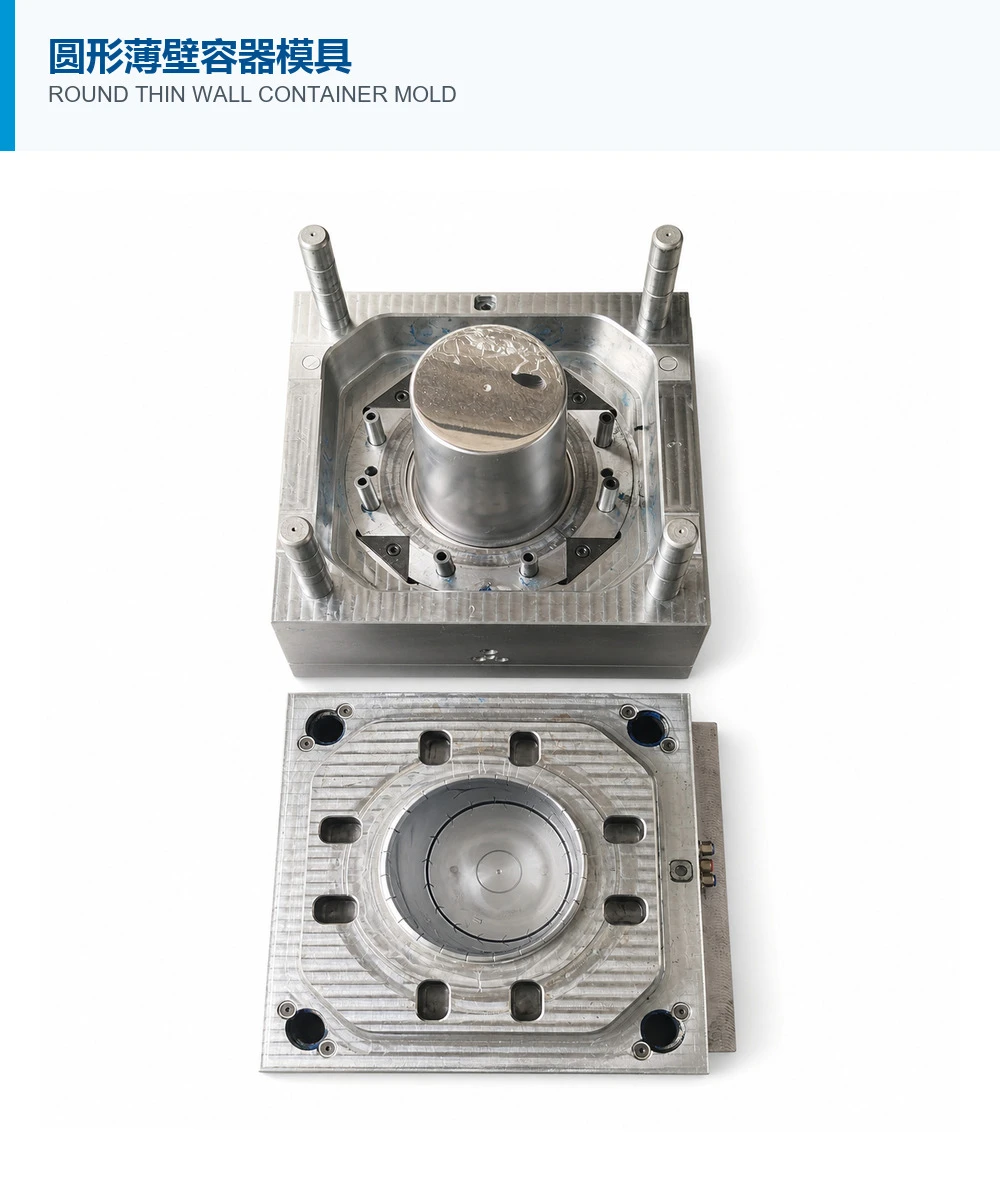
Custom Thin Wall Container Injection Mold
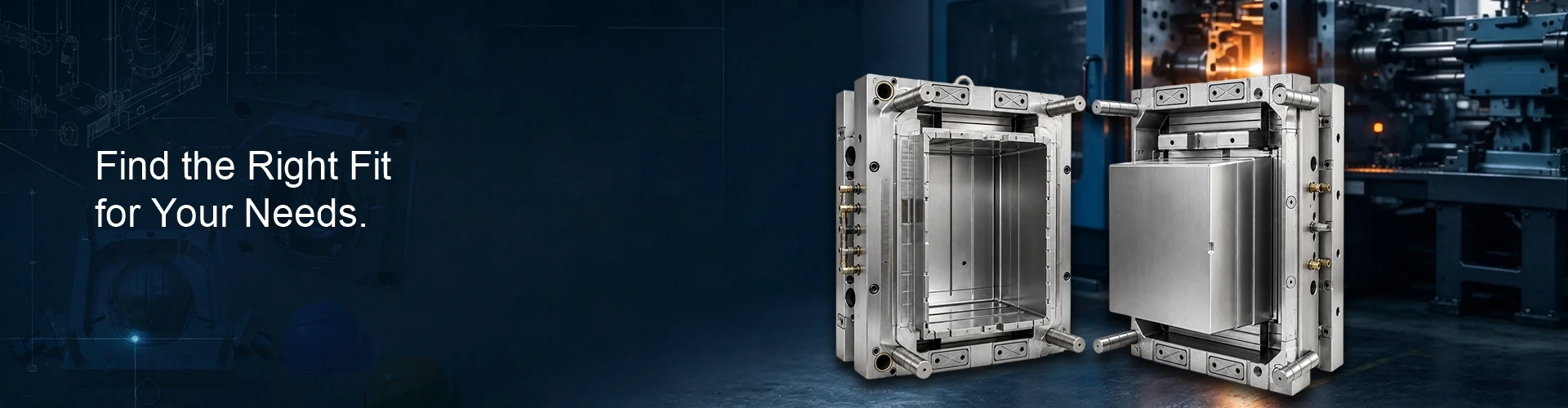
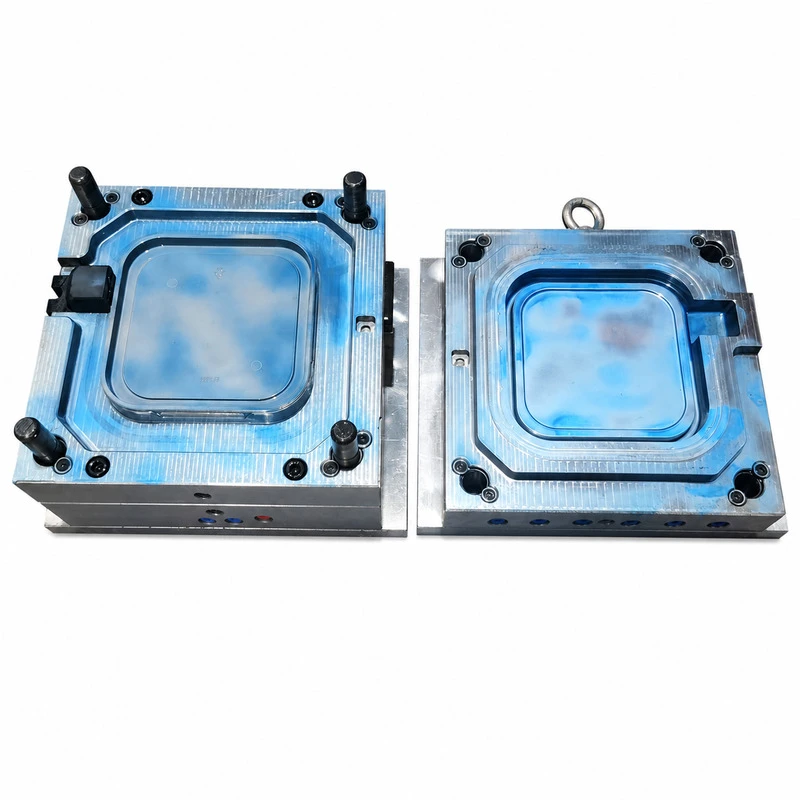
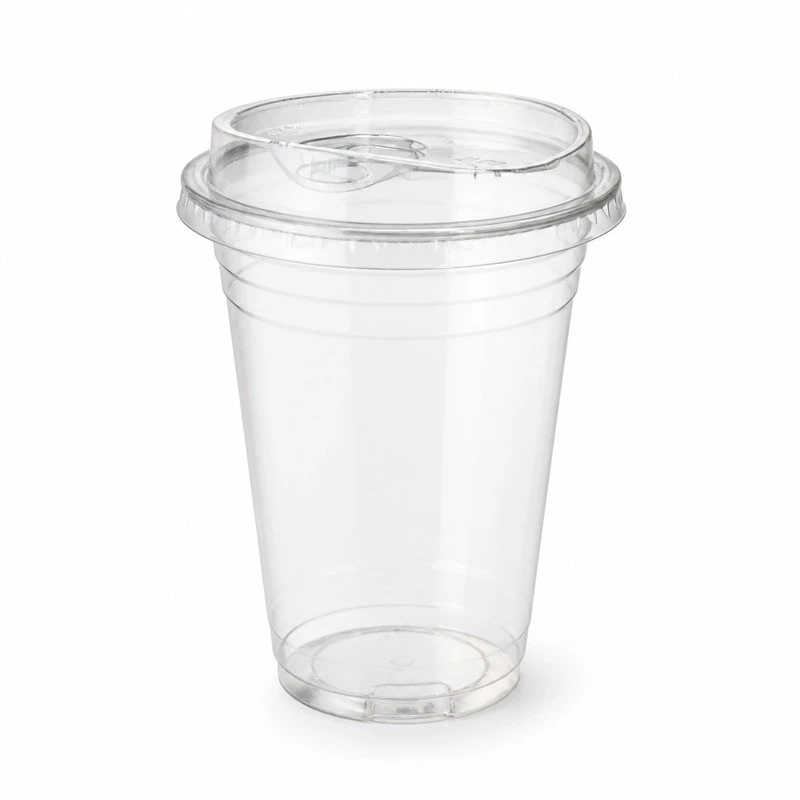
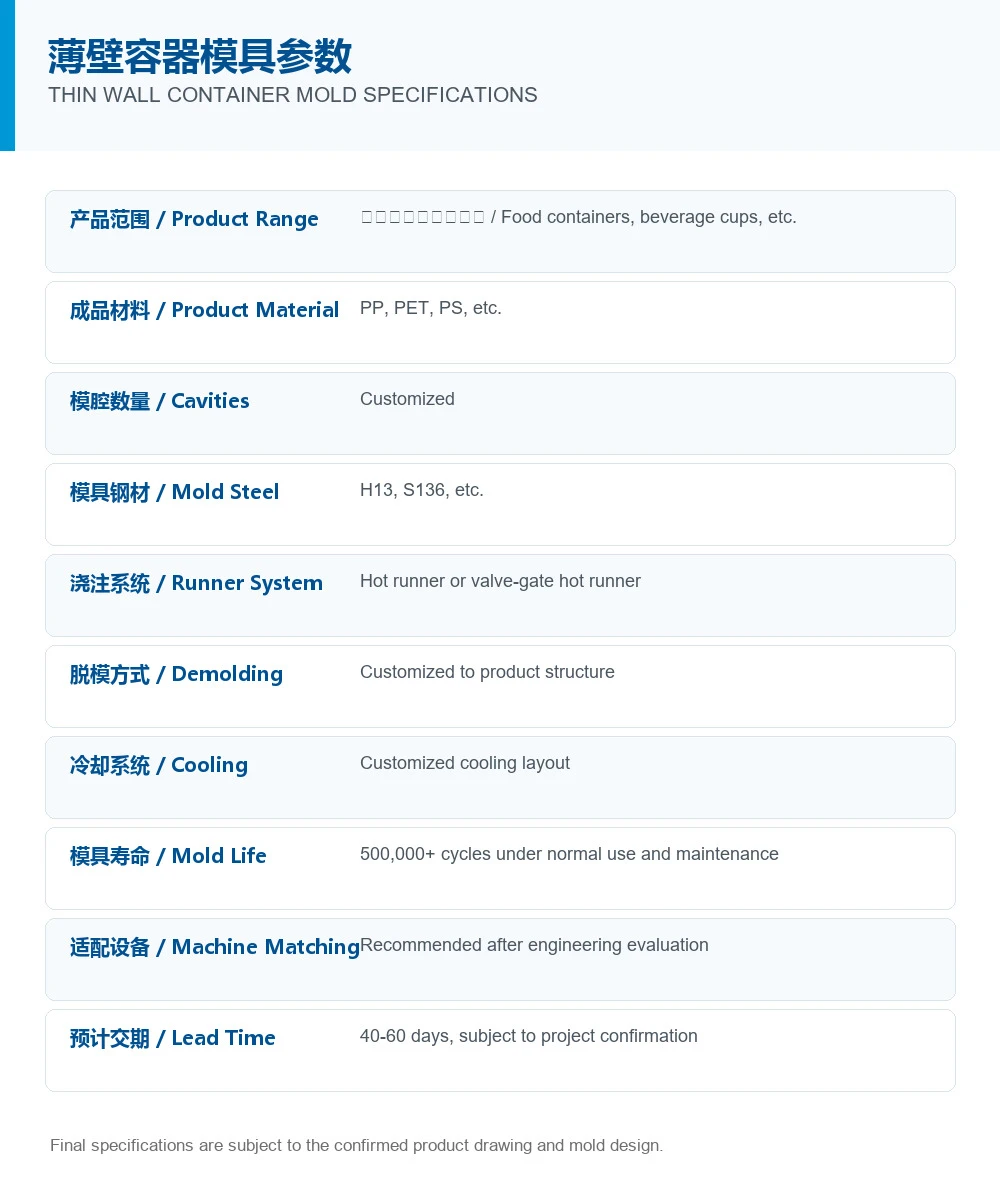
A Thin Wall Container Mold is developed for high-speed injection molding of thin-wall food boxes, beverage cups, ice-cream tubs and household storage containers. Each project is engineered from the approved drawing, physical sample and available injection machine. Product dimensions, capacity, weight, wall thickness and cavity quantity are customized rather than taken from a fixed catalog. PP, PET, PS and other confirmed materials may be supported, while the final resin grade and shrinkage data must be reviewed before design.
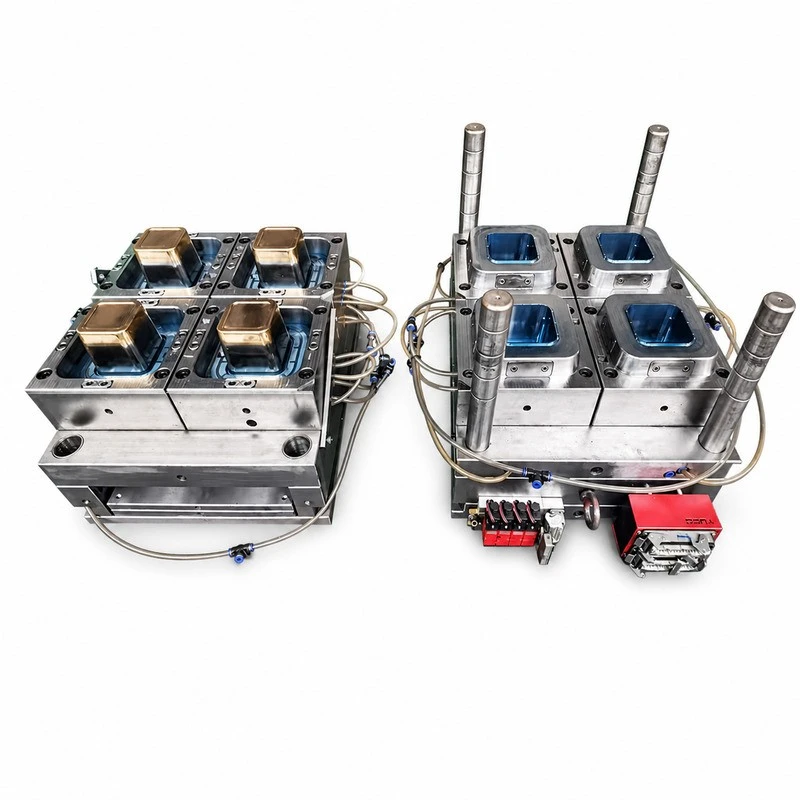
The mold can use a hot runner or valve-gate hot runner system to support balanced filling and stable multi-cavity production. Gate position, runner balance, venting, ejection or demolding structure and cooling circuits are designed around the actual product. Because thin-wall parts require rapid filling and efficient heat removal, the engineering review considers projected area, wall thickness, resin flow behavior, target cycle and part-release conditions.
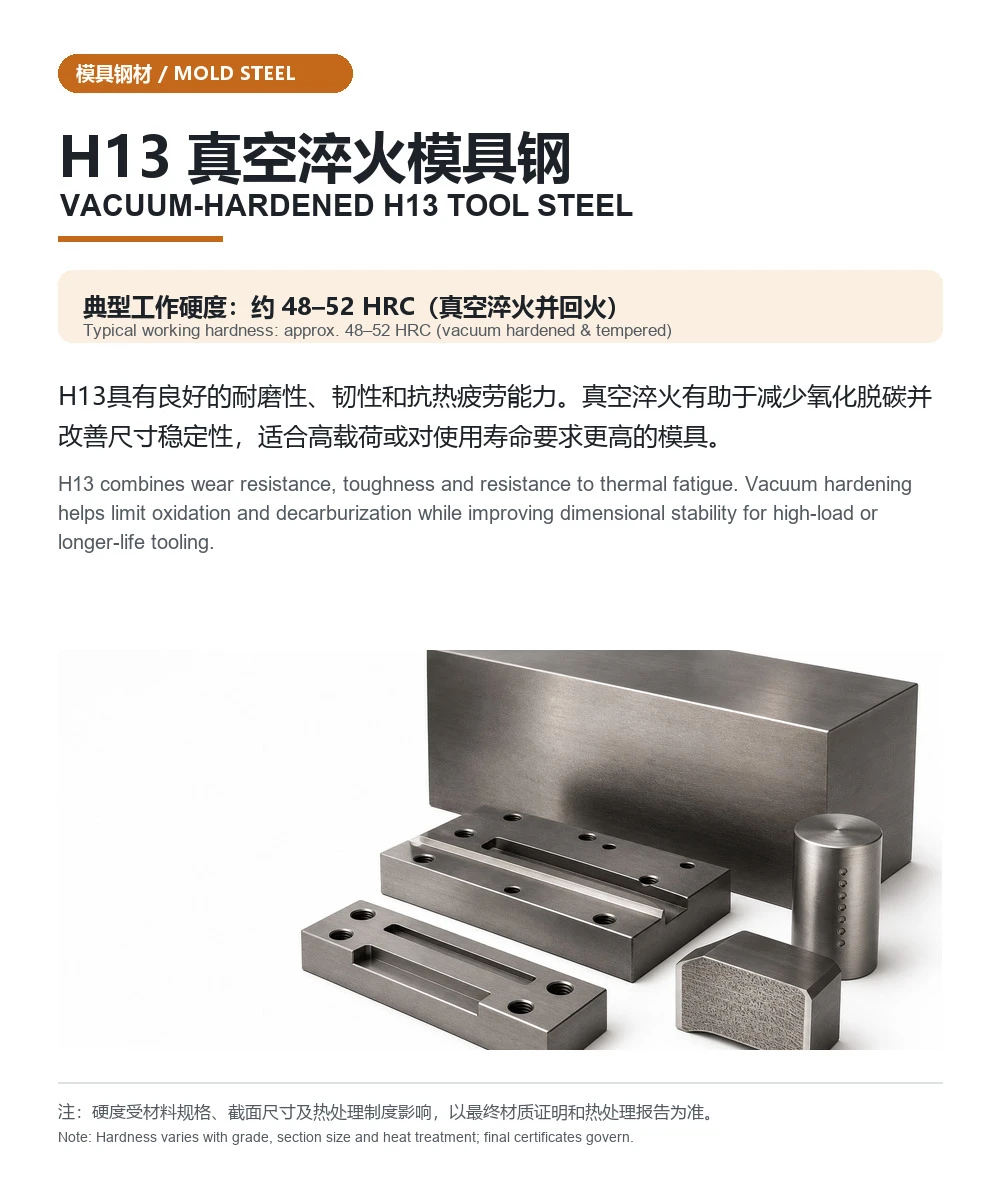
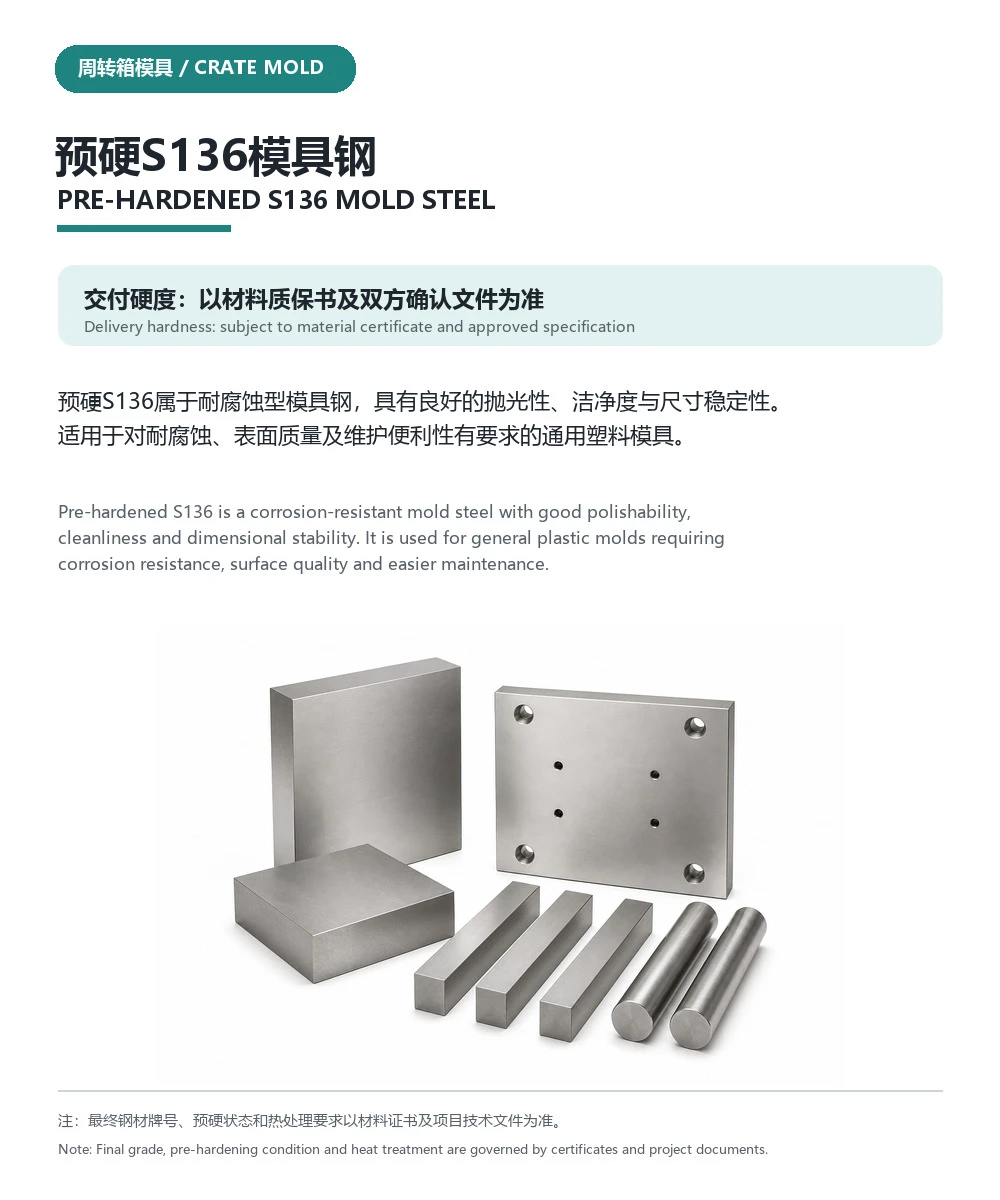
H13, S136 and other suitable steel grades can be selected according to production volume, surface requirements, wear resistance and maintenance conditions. Steel and heat treatment are confirmed for each project. Overall mold dimensions and weight depend on the container geometry, cavity quantity, hot-runner layout and machine interface. Required clamping force, shot capacity, tie-bar spacing, mold thickness and opening stroke are recommended after engineering evaluation.
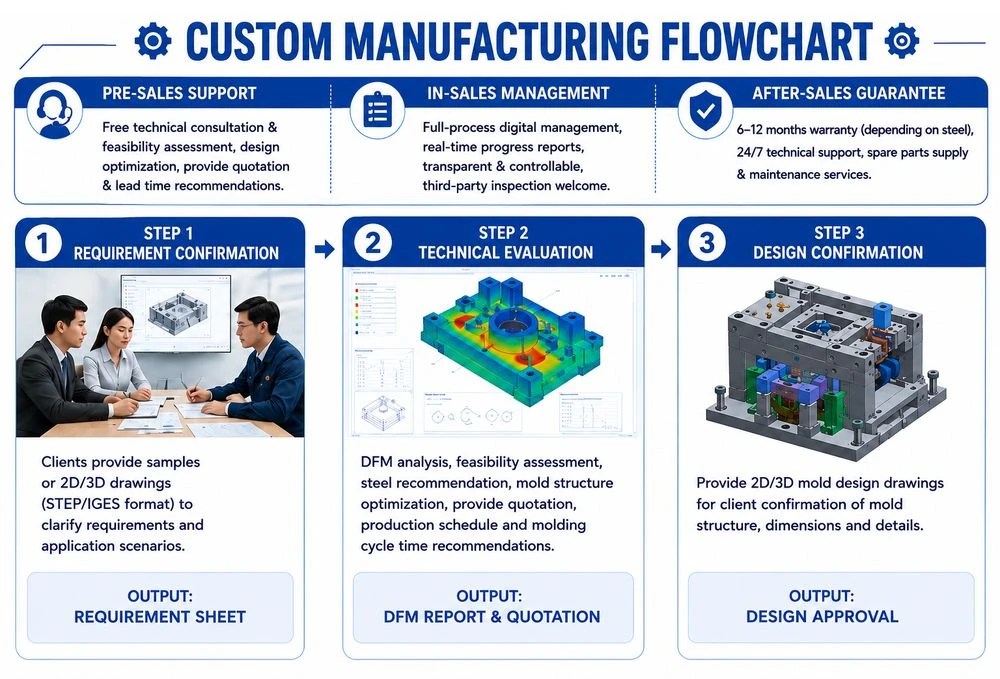
With confirmed steel and heat treatment, and under normal operation and maintenance, the target service life is more than 500,000 molding cycles. Typical lead time is 40–60 days, subject to design approval, mold complexity, hot-runner and component procurement, machining, assembly and trial scheduling. This Thin Wall Container Mold can be customized from a customer sample, 2D drawing or 3D model. Final specifications are governed by the mutually approved technical documents.
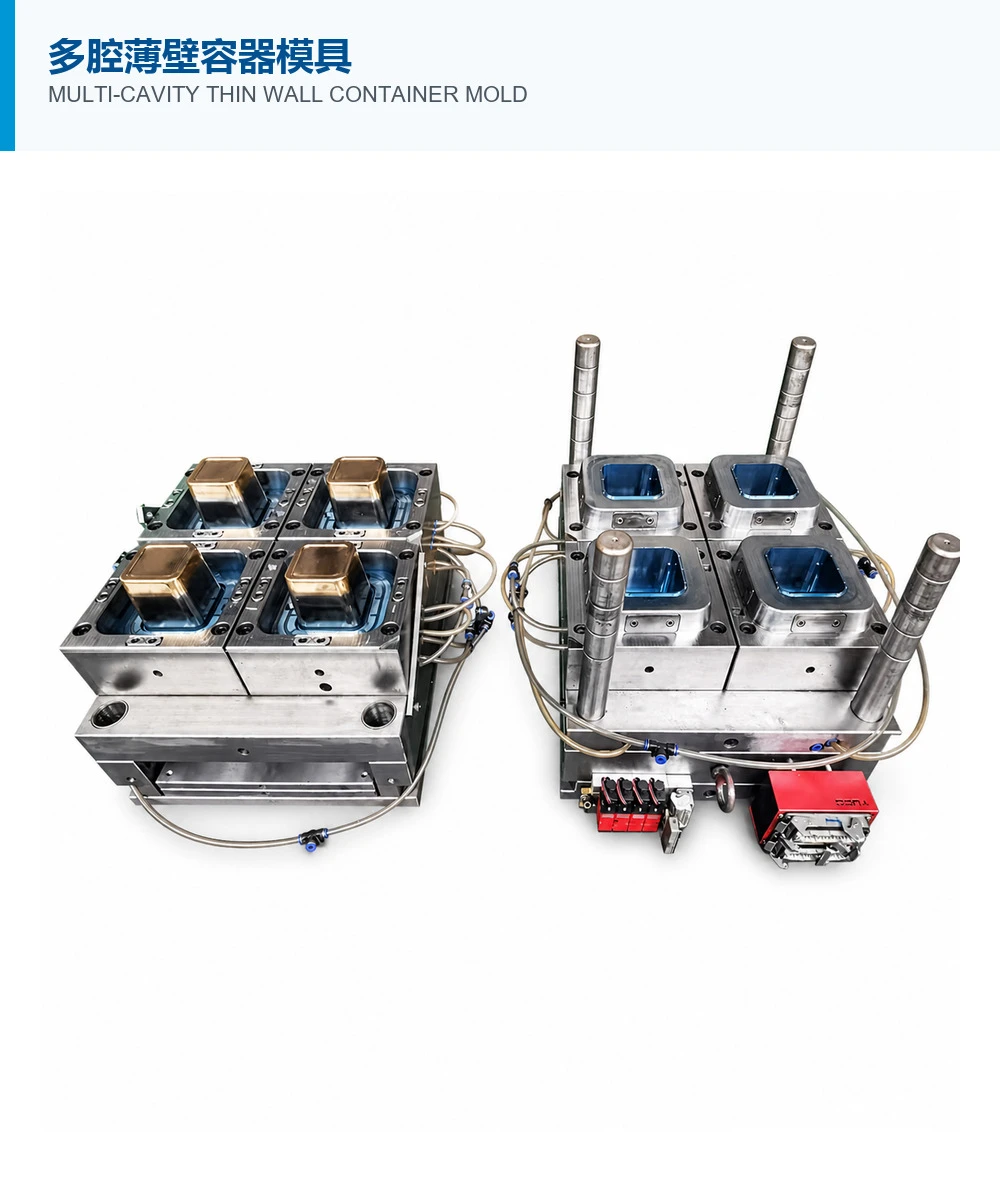
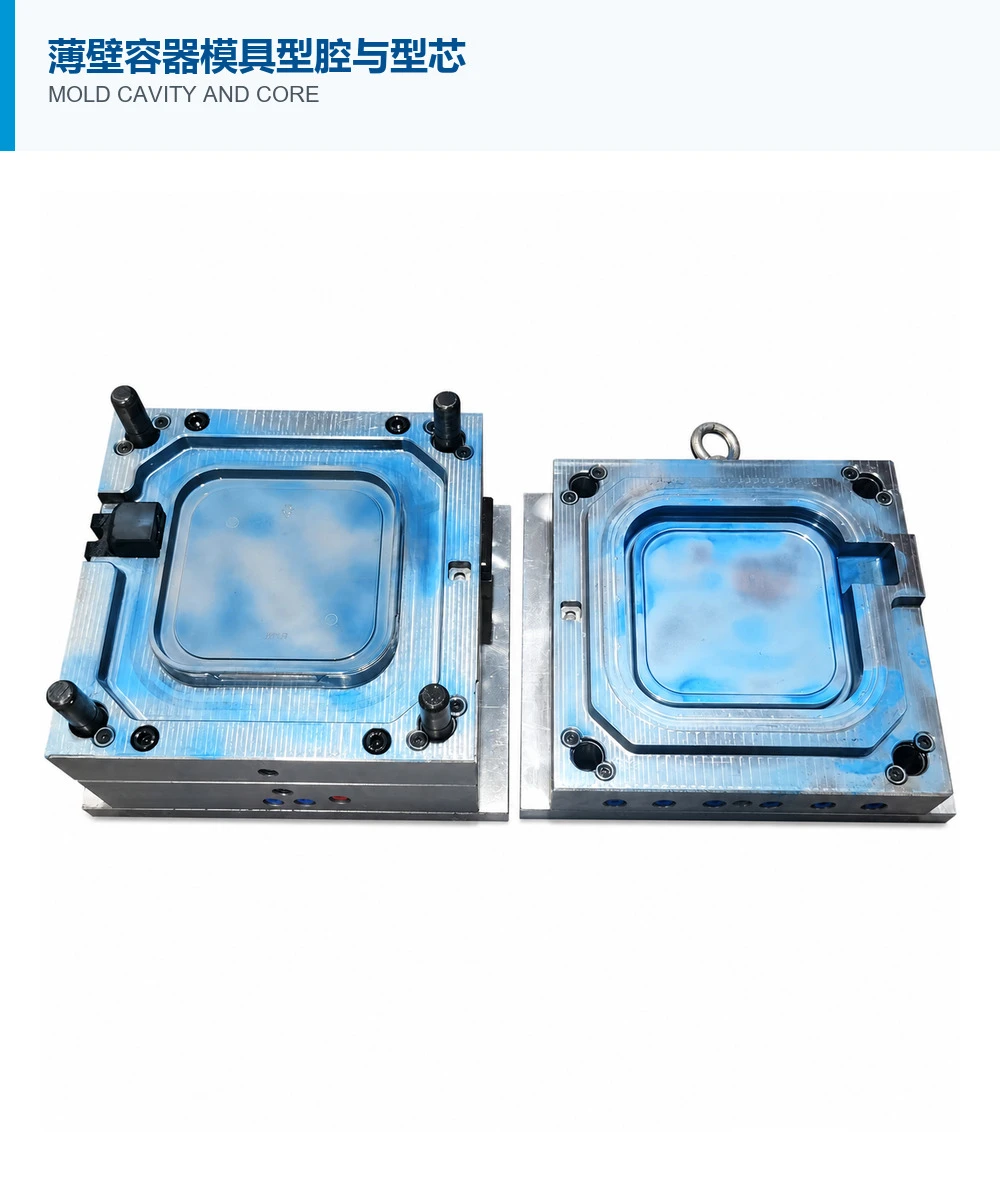
Application Scenarios
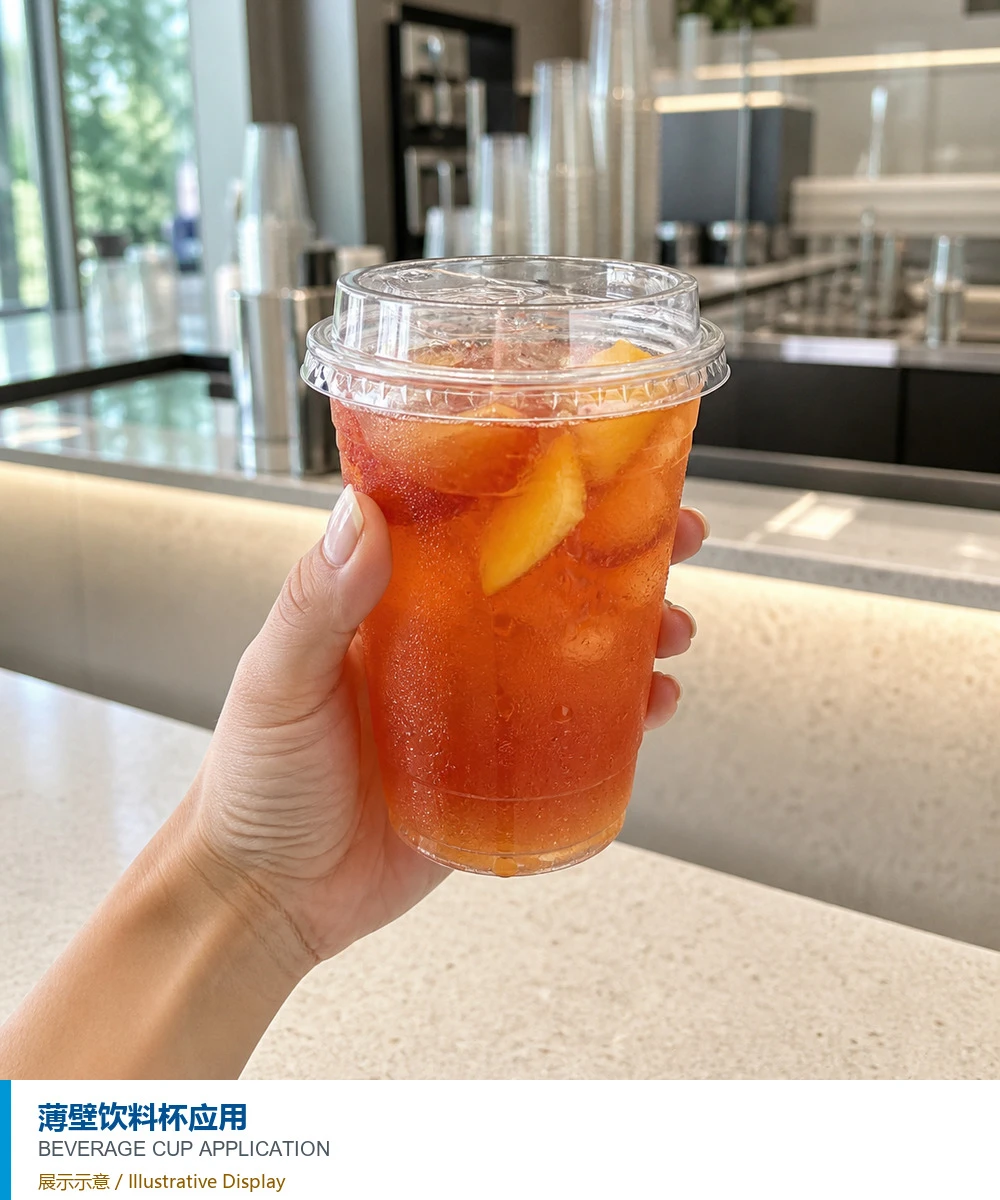
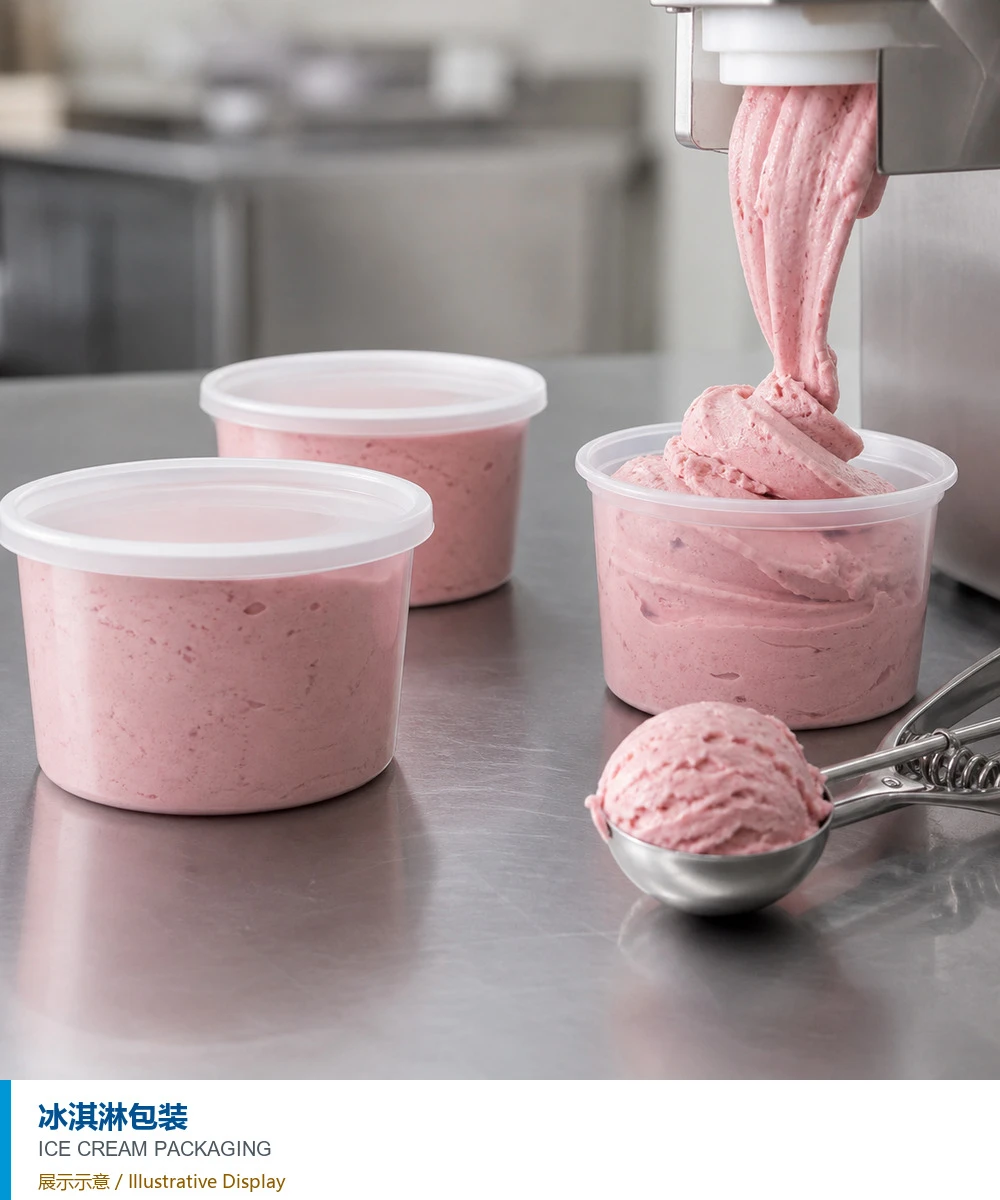
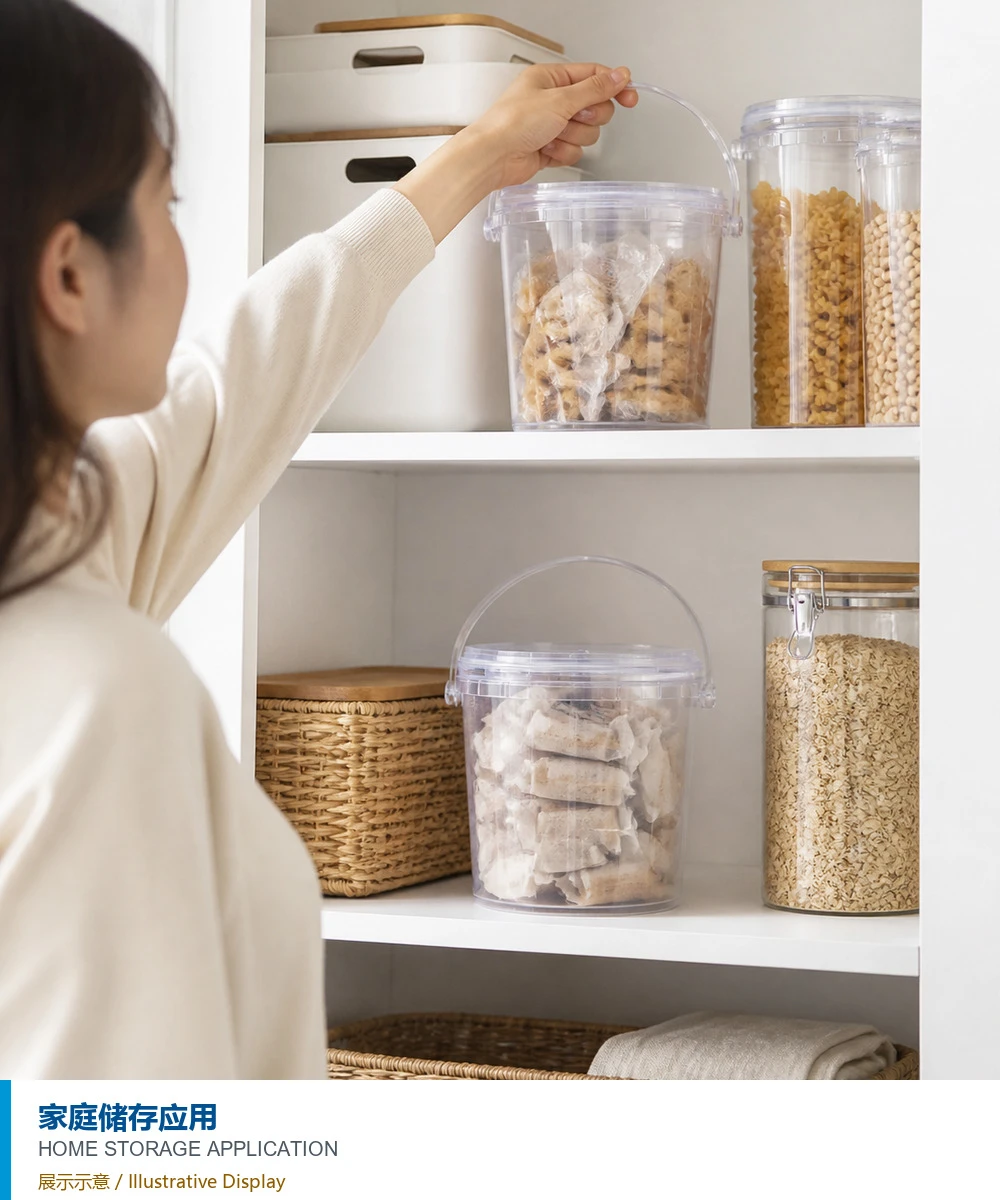
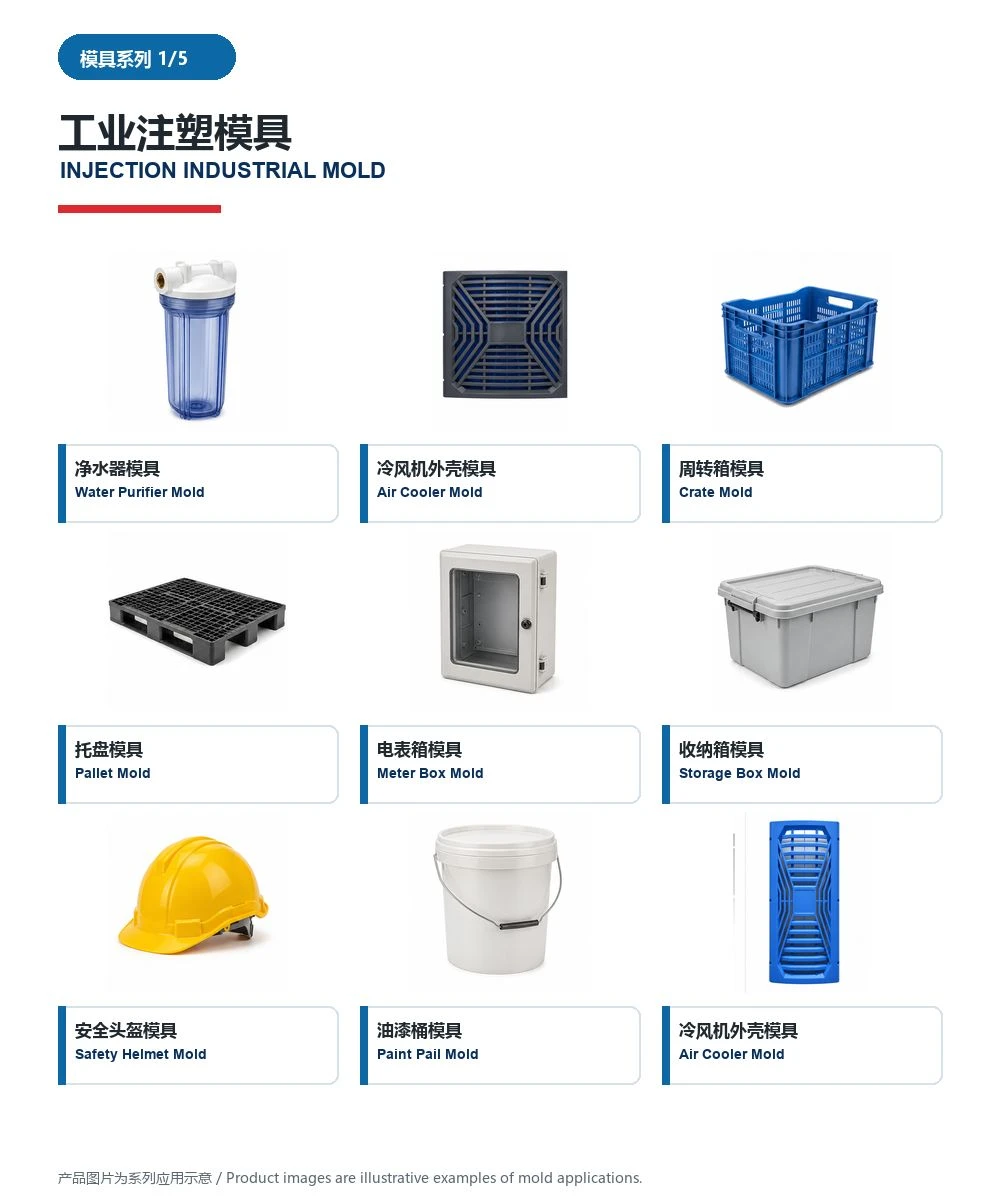
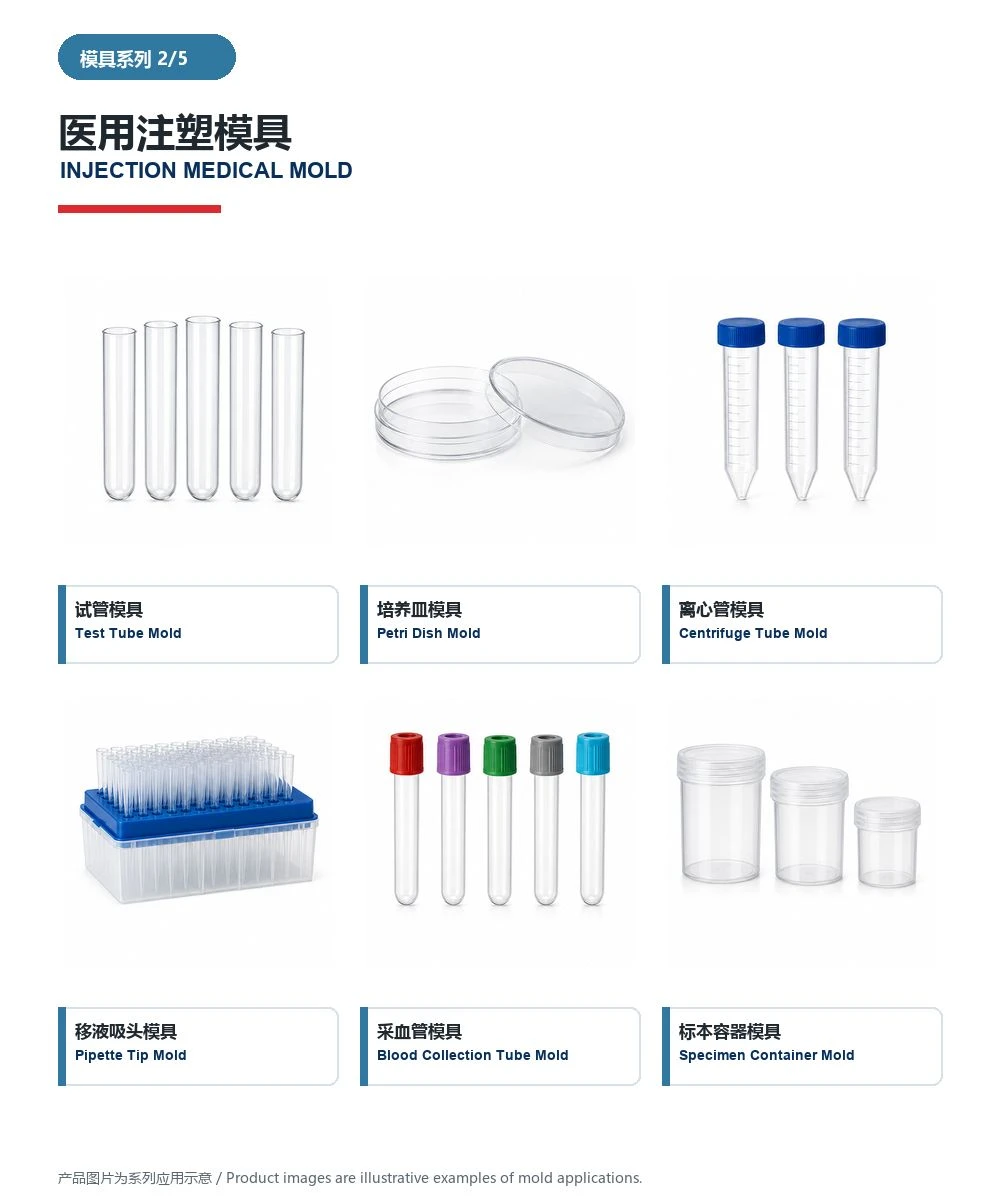
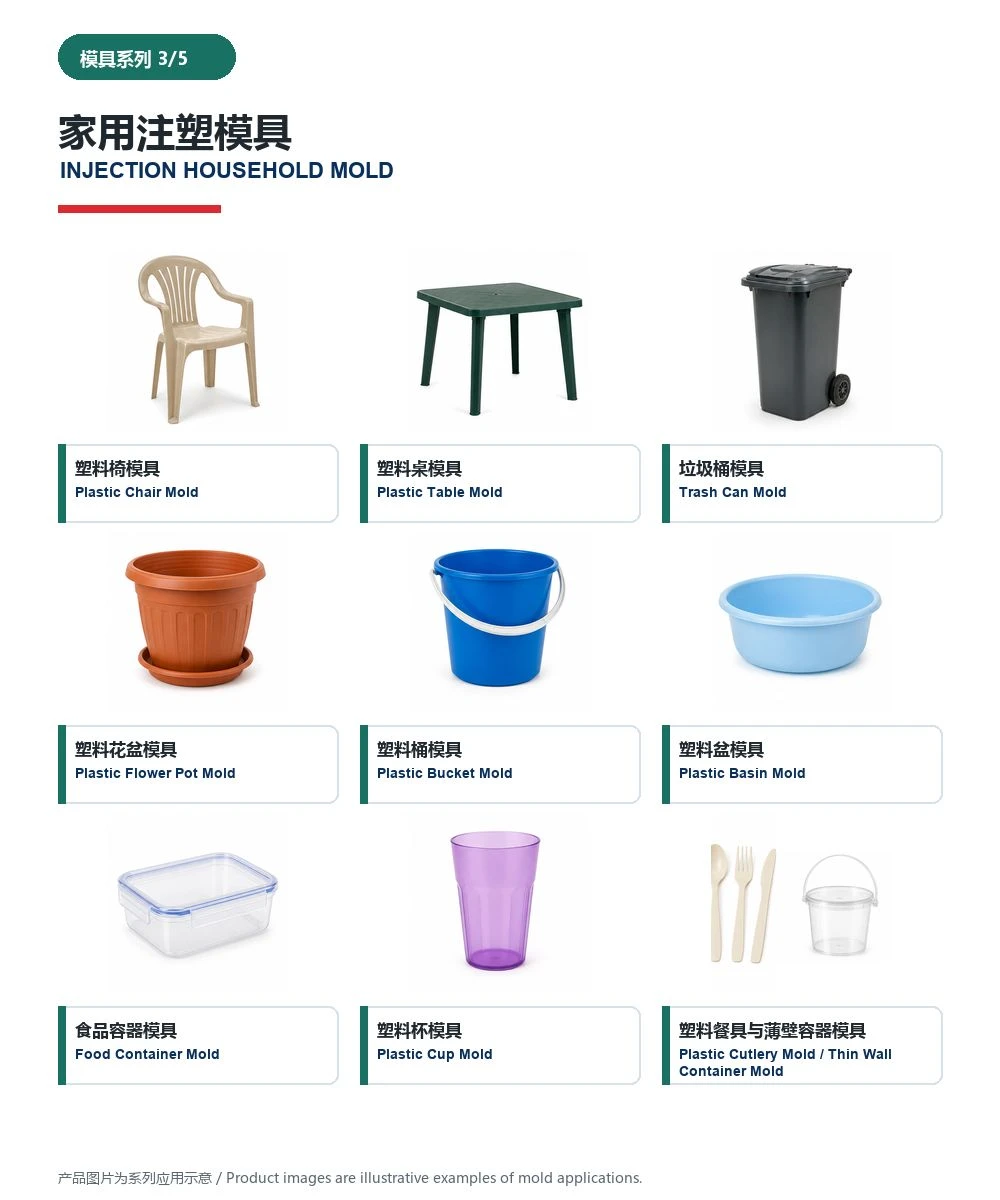
Thin-wall container molds support food packaging, takeaway meals, beverage cups, ice-cream packaging and household storage. Container geometry can be customized for the contents, closure structure, stacking method and automation requirements. Application display. Final design is subject to customization.

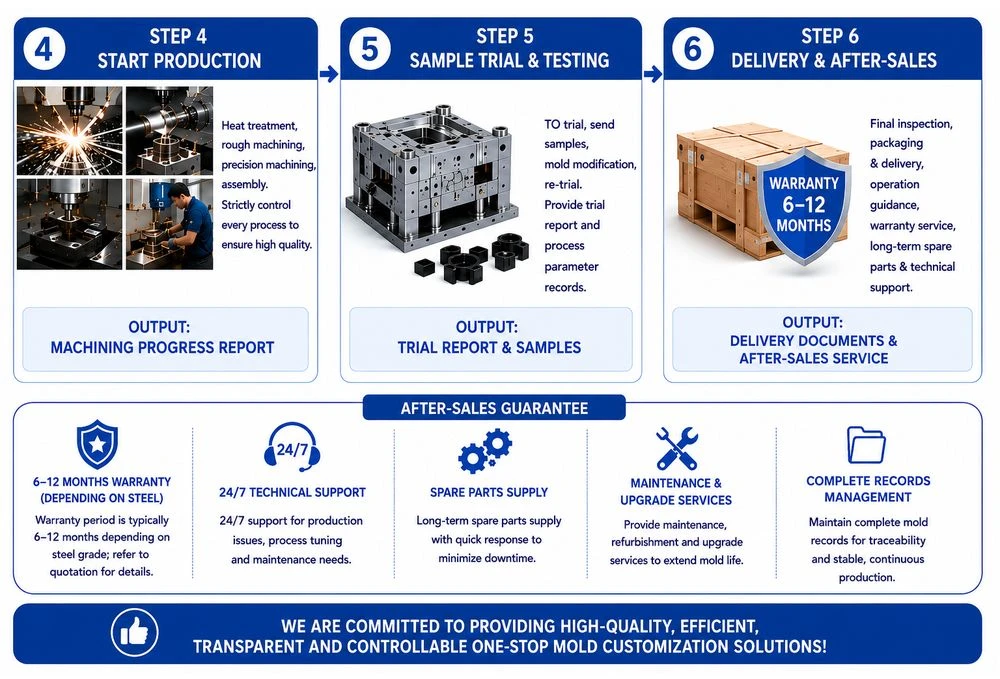
Mold Customization Process
Factory and Manufacturing Capability
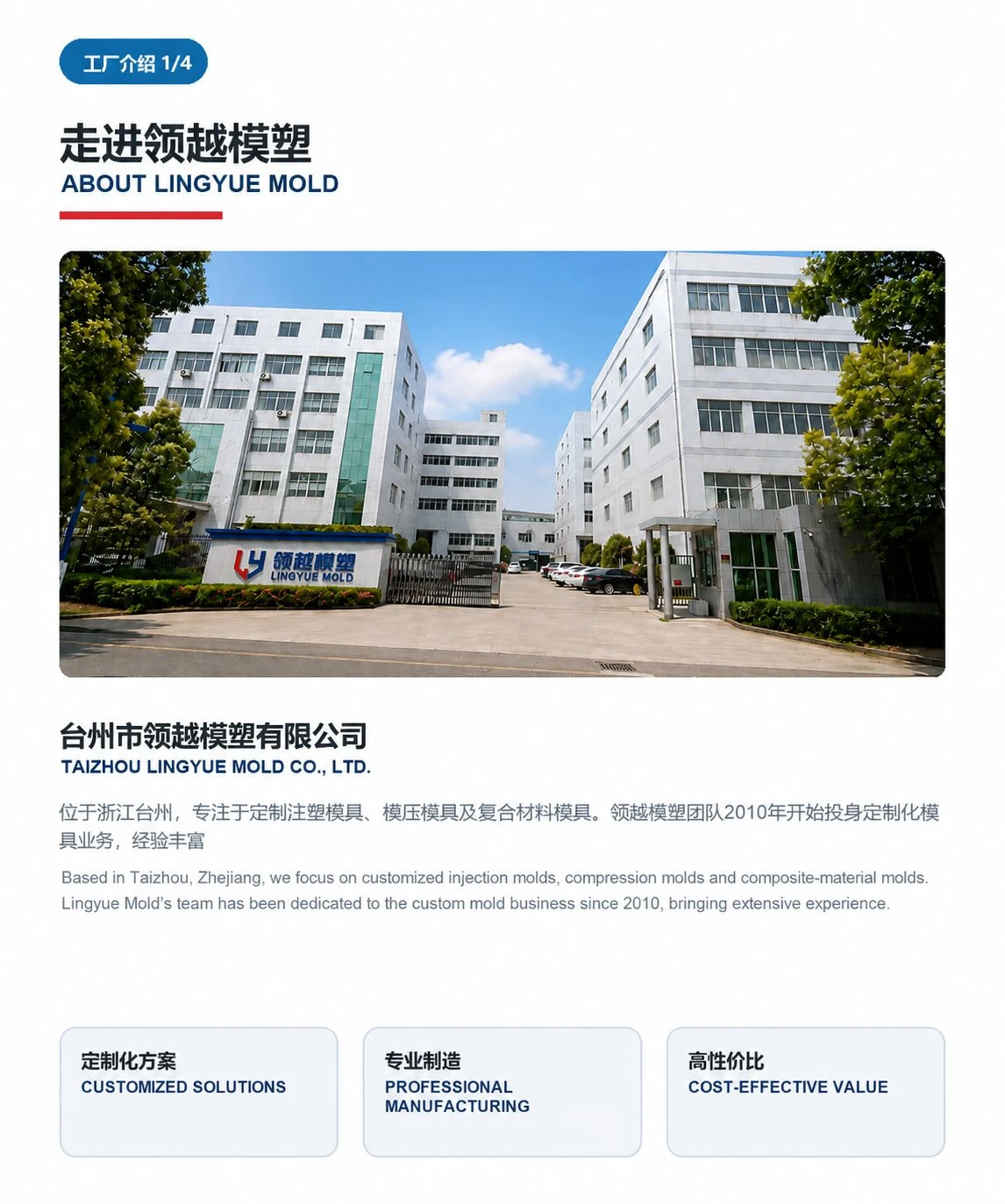
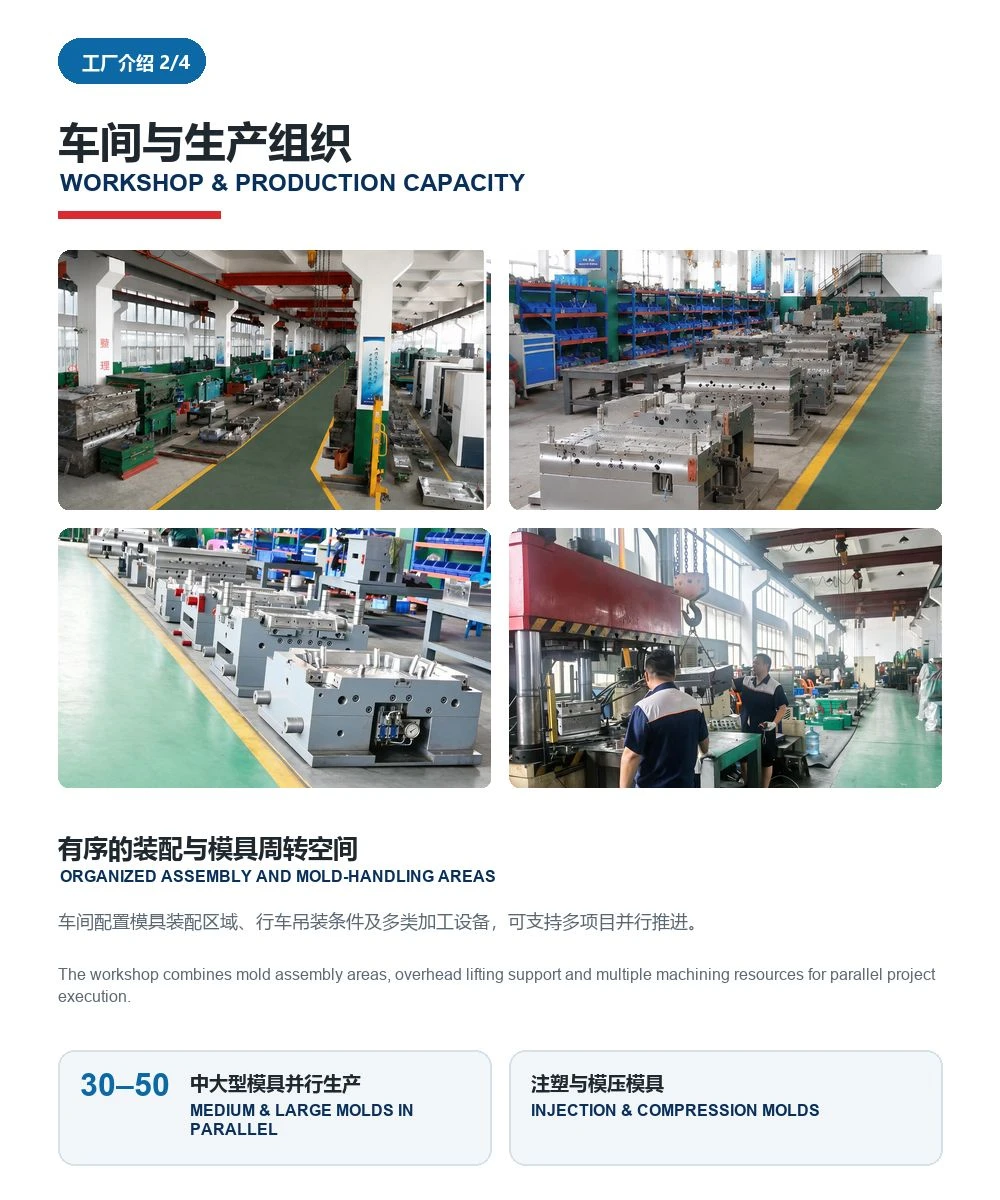
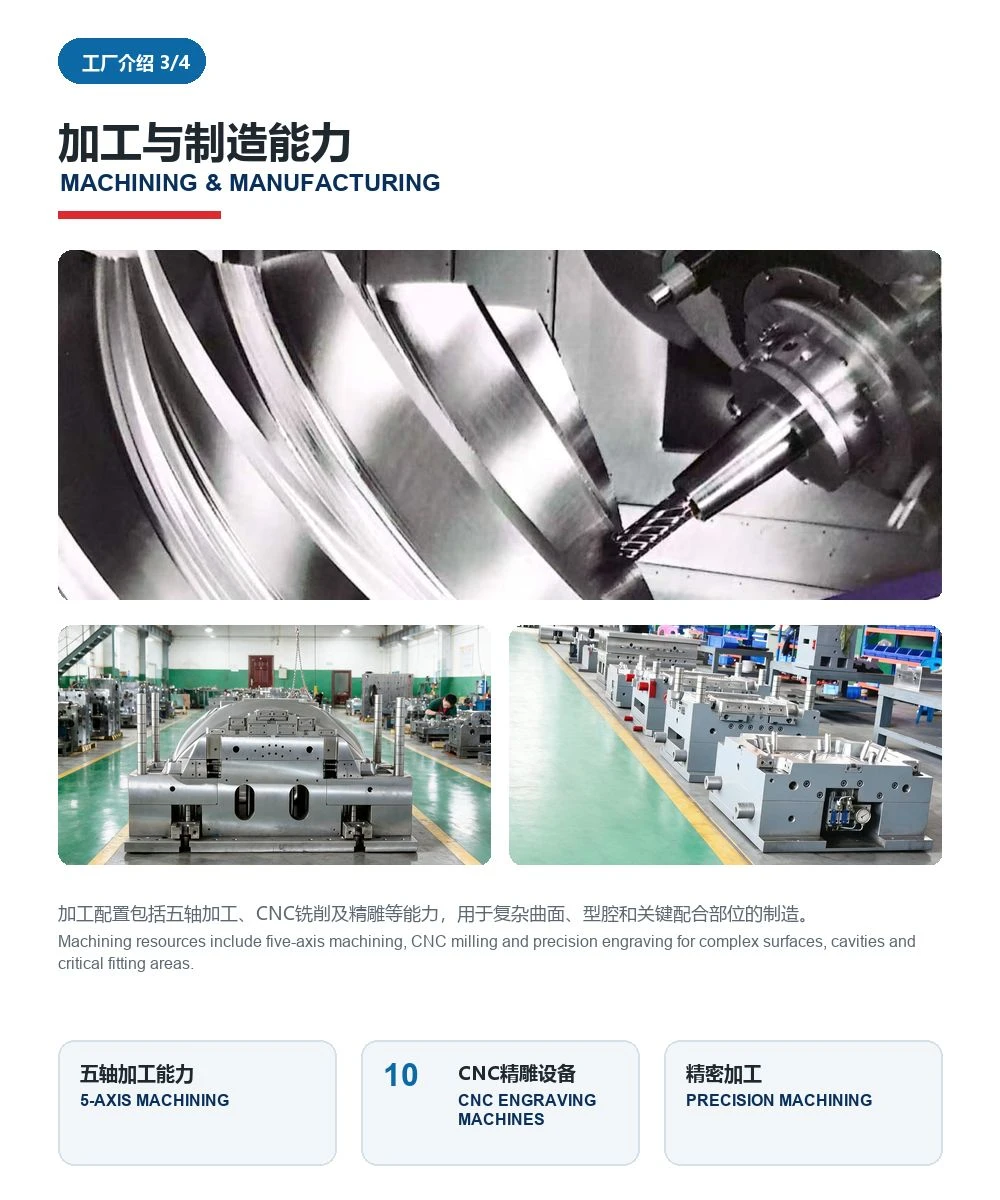
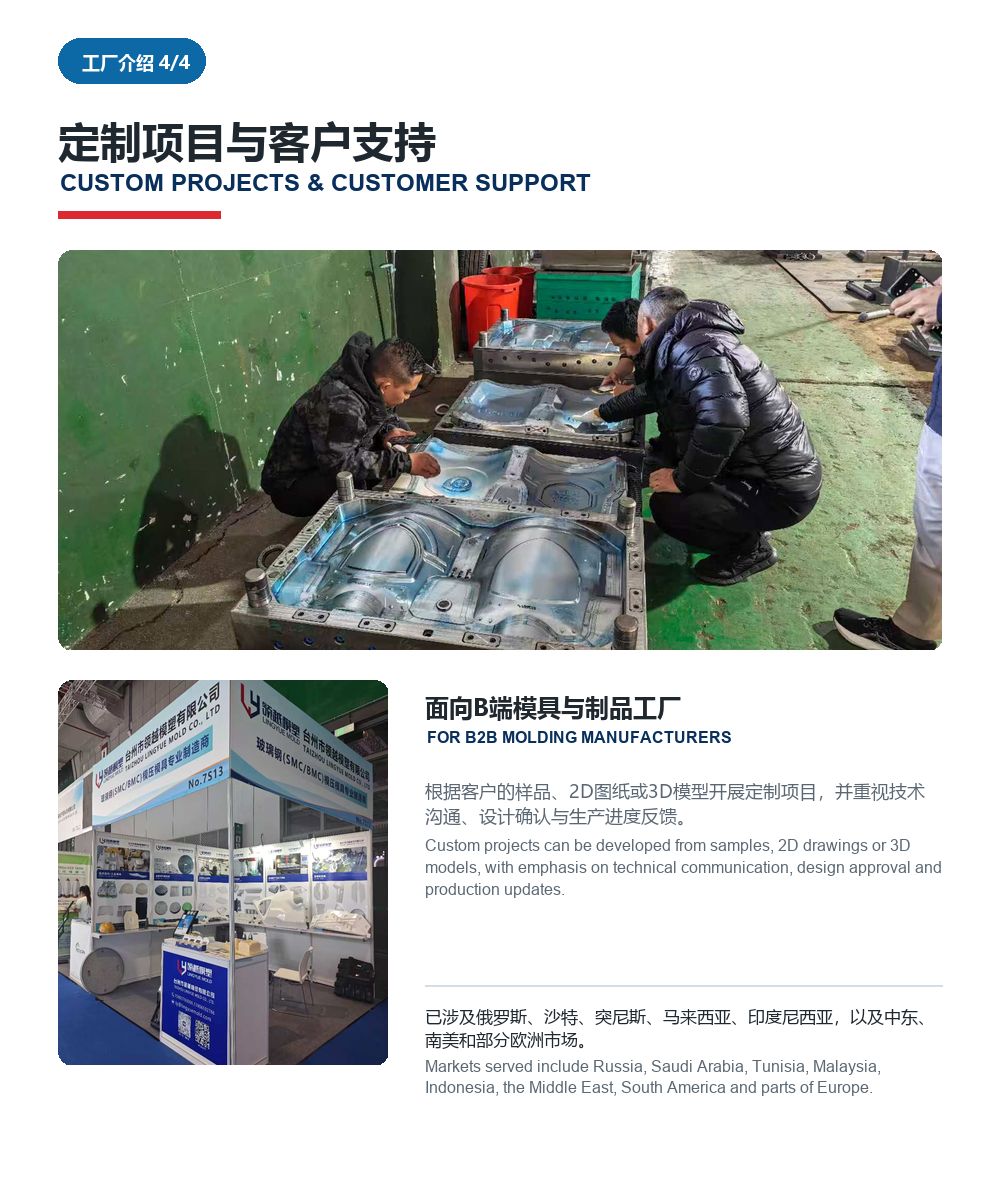
Taizhou Lingyue Mold Co., Ltd. is located in Taizhou, Zhejiang, China, providing customized injection and compression mold manufacturing. The team focuses on project fit, manufacturing quality, delivery control and long-term customer support.
Thin Wall Container Mold FAQ
Q: What products can a thin wall container mold produce?
A: It can produce thin-wall food containers, beverage cups, ice-cream tubs and household storage containers. The final product scope is based on the approved drawing, sample and material requirements.
Q: Which plastics can be used?
A: PP, PET, PS and other materials can be evaluated. The exact resin grade and shrinkage data are required to confirm runners, gates, cooling and dimensional compensation.
Q: Can the mold be customized from a sample or drawing?
A: Yes. A physical sample, 2D drawing or 3D model can be used, together with material and injection-machine information.
Q: How is the cavity quantity determined?
A: Cavity quantity is evaluated from output, part size, target cycle, machine capacity and budget. Multi-cavity solutions also require runner-balance and cooling-consistency checks.
Q: Can a valve-gate hot runner be used?
A: A standard hot runner or valve-gate system can be selected according to the part, material and gating requirements. The final solution is confirmed after DFM and flow evaluation.
Q: How is the mold matched to the injection machine?
A: Engineers review clamping force, shot capacity, tie-bar spacing, platen size, mold thickness, opening stroke and interfaces before recommending a match.
Q: How can short filling in thin-wall parts be addressed?
A: Check resin preparation, melt temperature, injection speed, gate and runner balance, venting and shot capacity. Fixed settings should not be applied without actual material and trial data.
Q: How can flash be reduced?
A: Check parting surfaces, clamping force, injection pressure and speed, vent depth and mold wear. Identify where and when flash forms before adjusting the process or repairing the mold.
Q: How can uneven cooling be improved?
A: Check circuit flow, inlet/outlet temperature difference, blockage, scale and core-cavity temperature variation. Rebalance circuits or optimize local cooling when needed.
Q: How should part warpage be investigated?
A: Review wall-thickness distribution, packing, cooling balance, demolding temperature, ejection balance and resin shrinkage, supported by dimensional measurements.
Q: How can difficult demolding be corrected?
A: Check draft, surface condition, vacuum effect, cooling time and ejection synchronization. First identify whether the part sticks to the core, cavity or a local feature.
Hot Tags: thin wall container mold, China thin wall container mold manufacturers, suppliers, factory


