


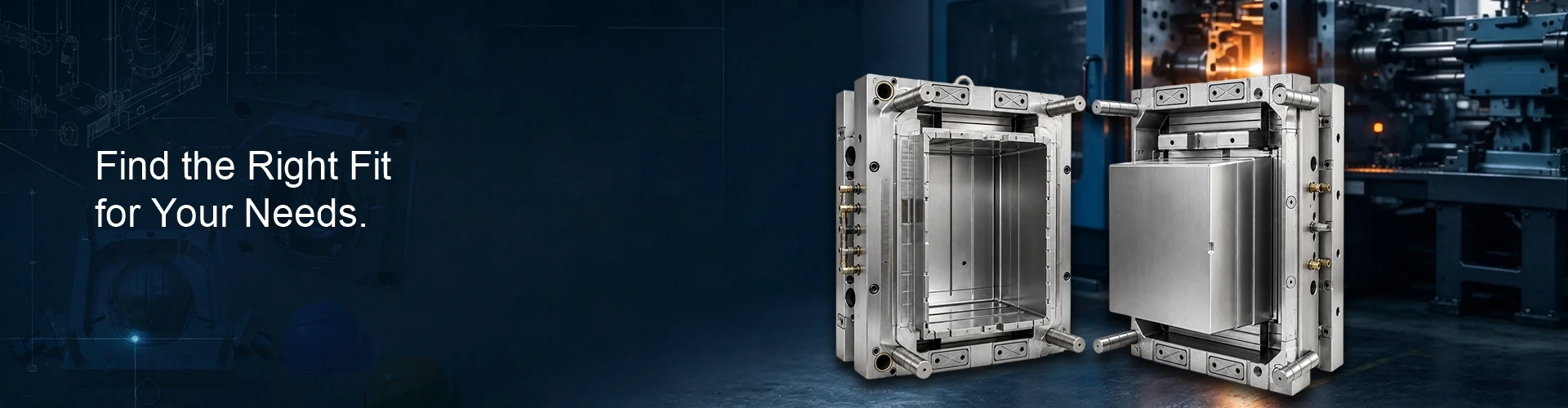
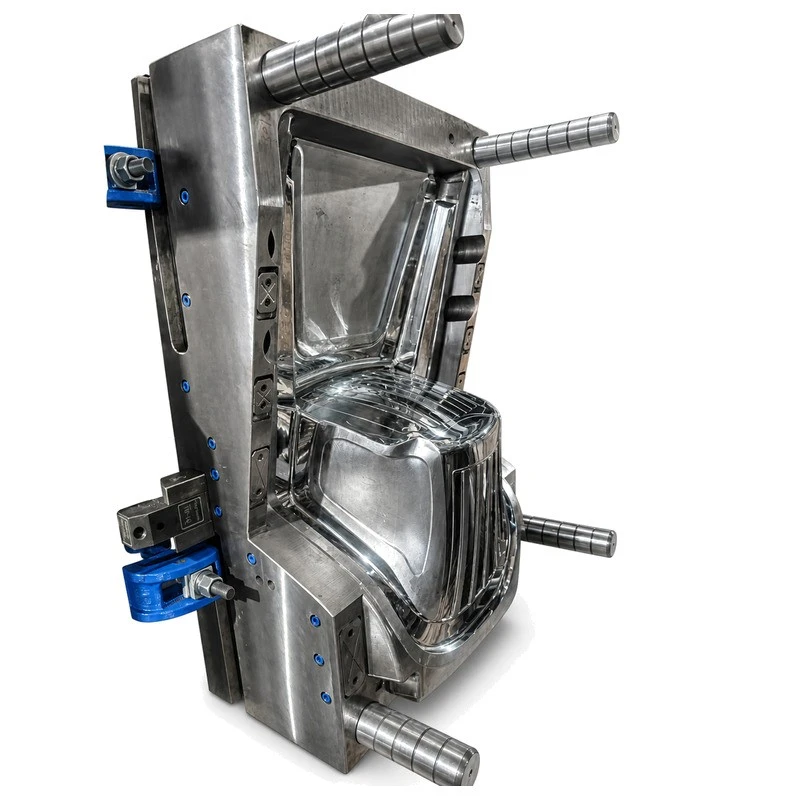
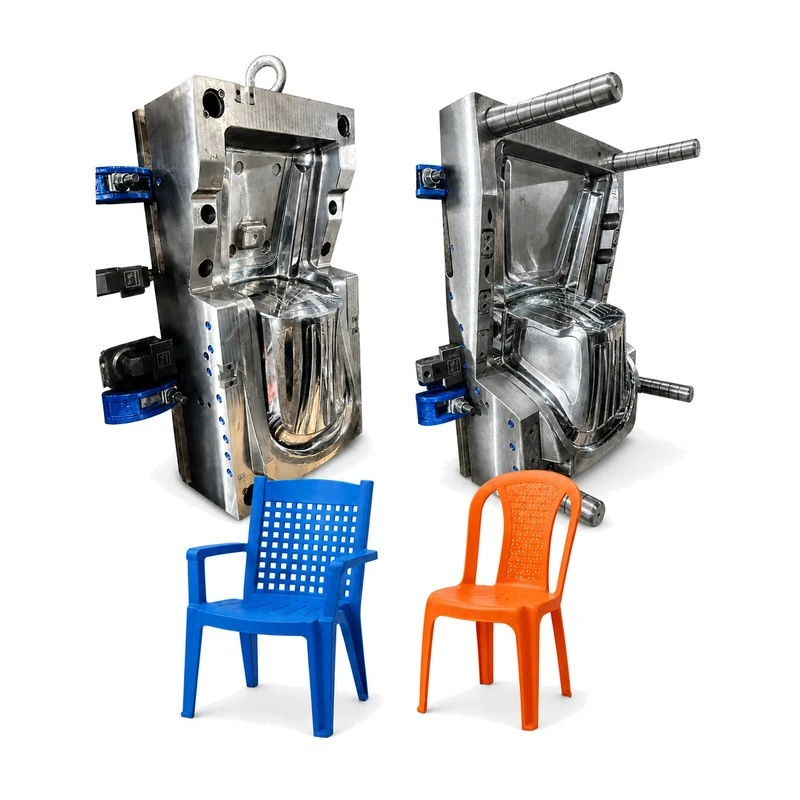
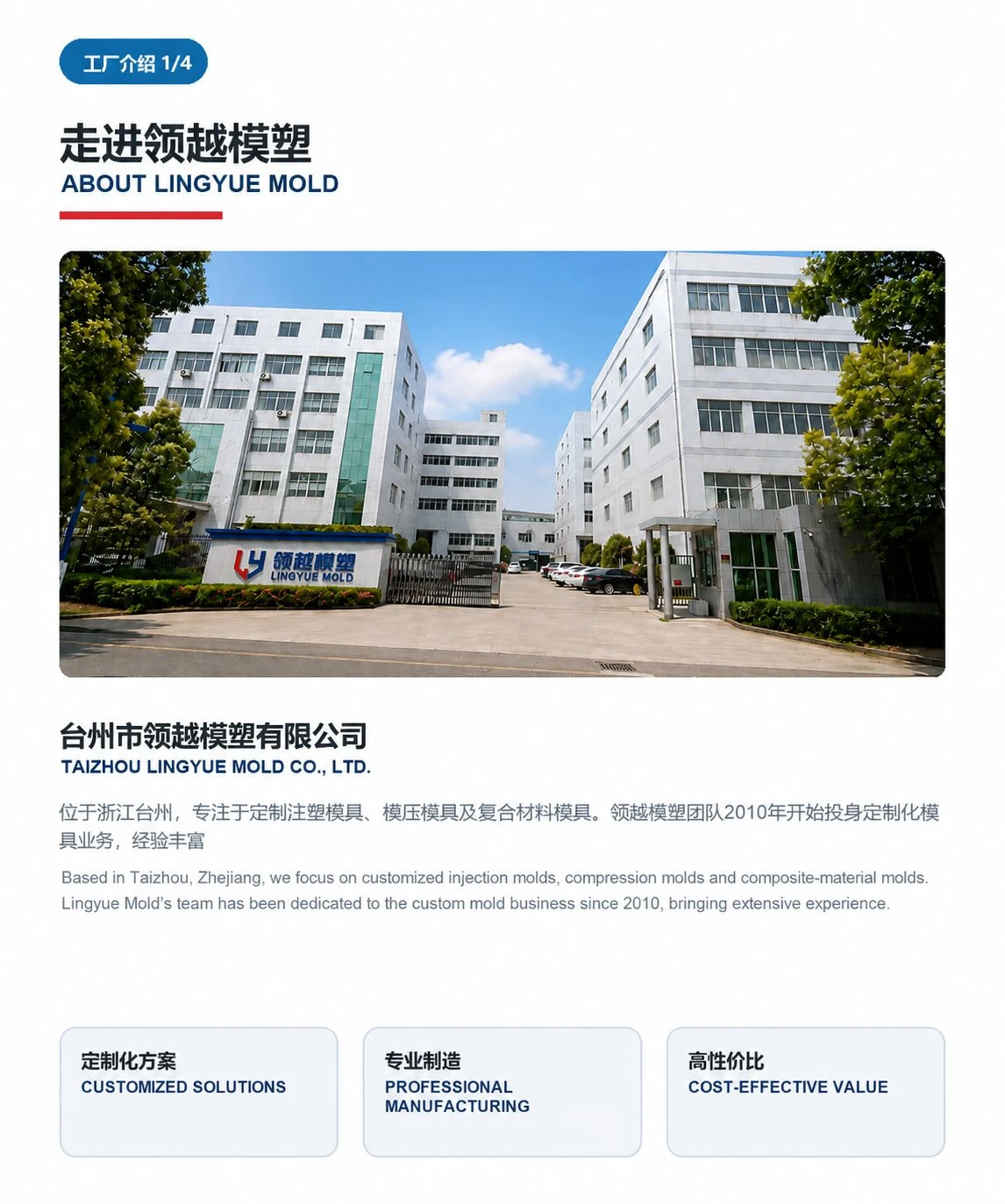
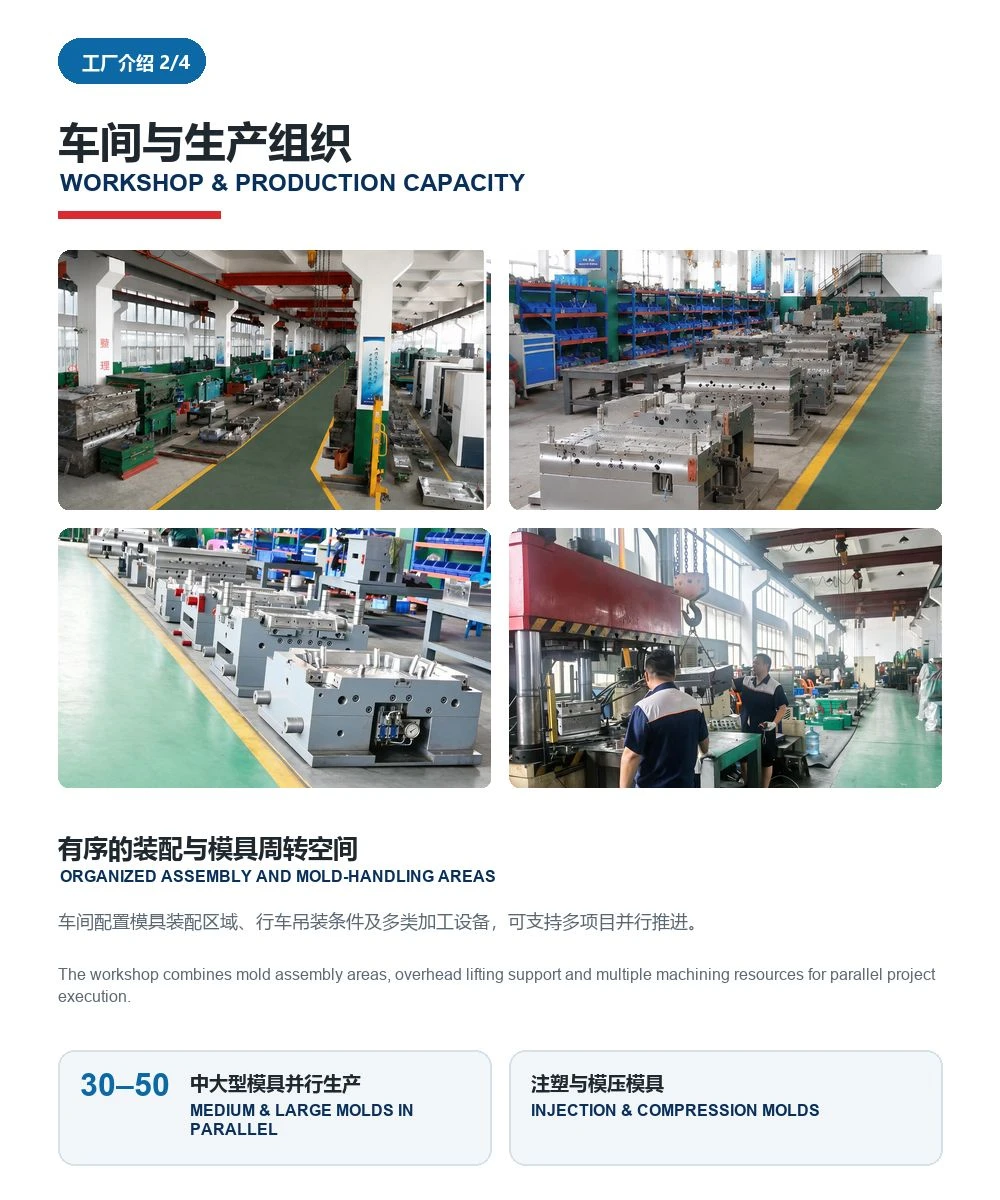
Taizhou Lingyue Mold and Plastic Co., Ltd. is one of the most reliable manufacturers and suppliers of plastic chair mold in China. With abundant experience, we are committed to providing high quality customized products with low price. We are warmly welcome you to buy advanced plastic chair mold made in China here from our factory. If you have any enquiry about quotation, please feel free to email us.
Product Details
Custom Plastic Chair Injection Mold
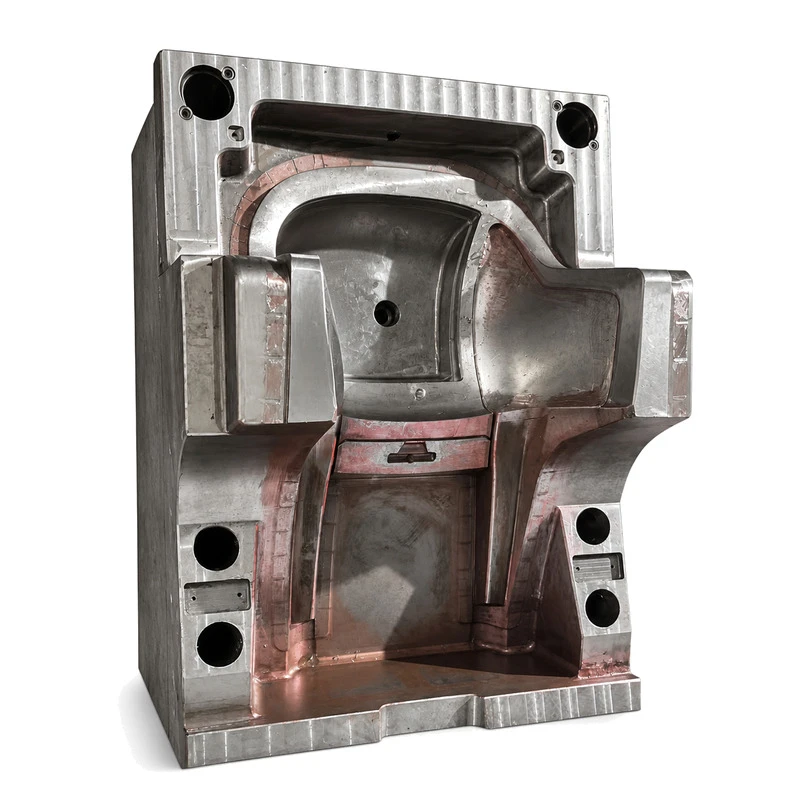
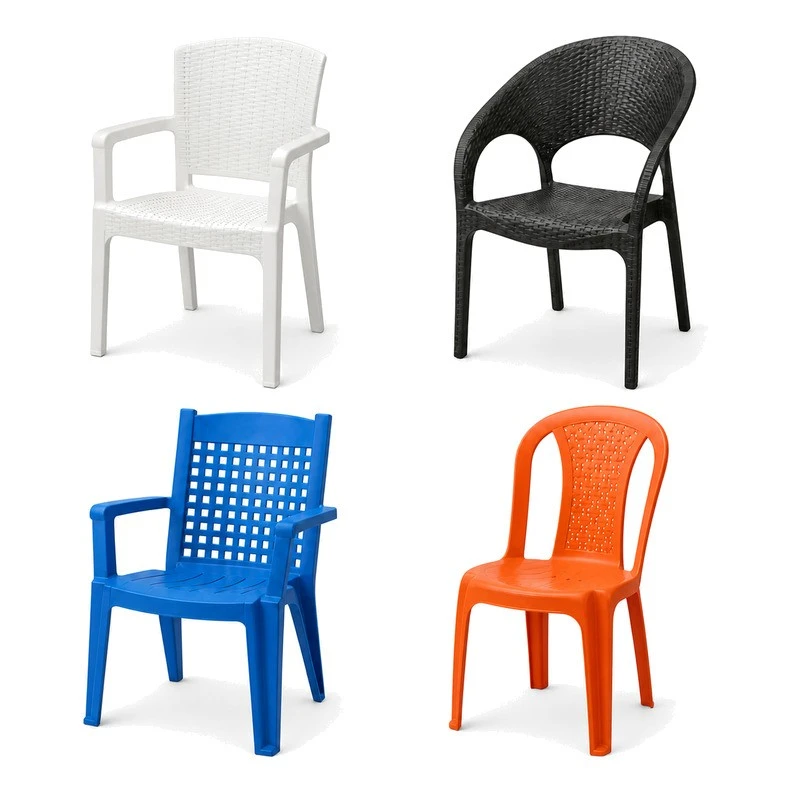
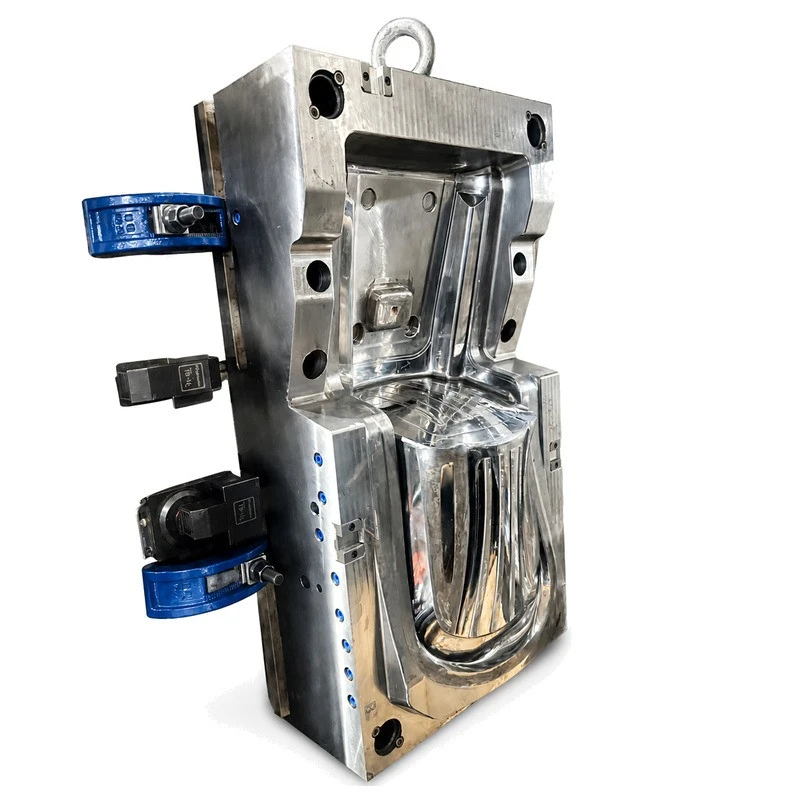
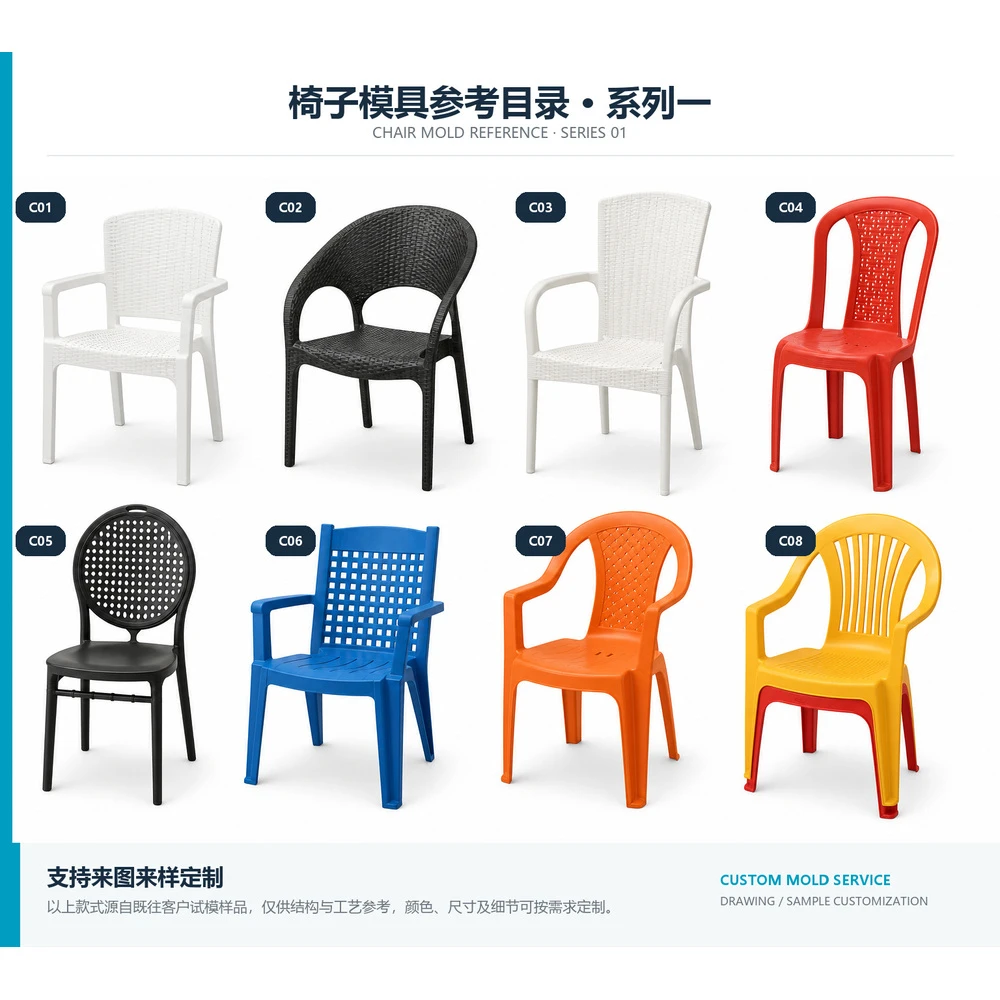
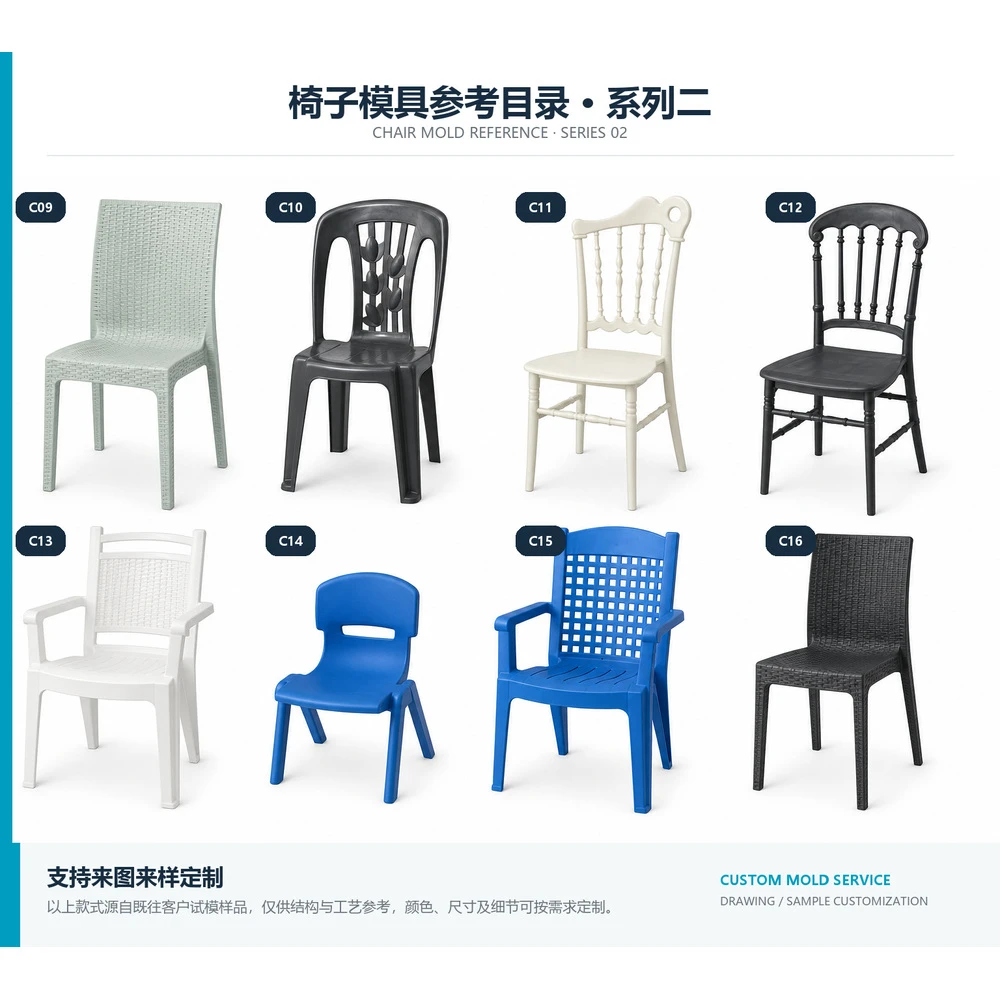
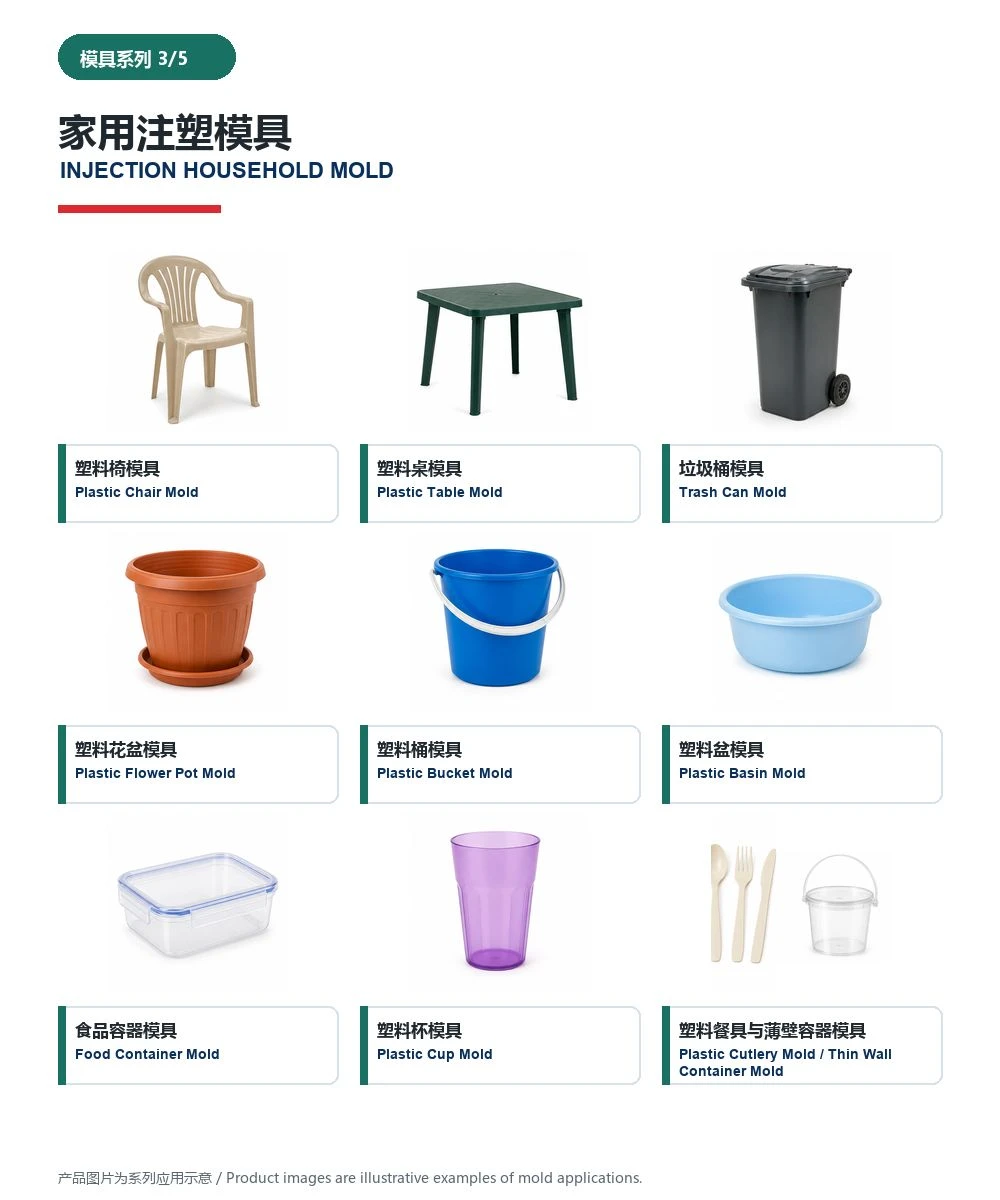
Plastic Chair Mold is developed for one-piece or customer-specific chair designs, including armchairs, armless chairs, dining chairs, outdoor chairs and school chairs. C01–C16 are style and process references only; every mold is engineered for the customer's approved product design.
Plastic Chair Mold is developed for one-piece or customer-specific chair designs, including armchairs, armless chairs, dining chairs, outdoor chairs and school chairs. C01–C16 are style and process references only; every mold is engineered for the customer's approved product design.
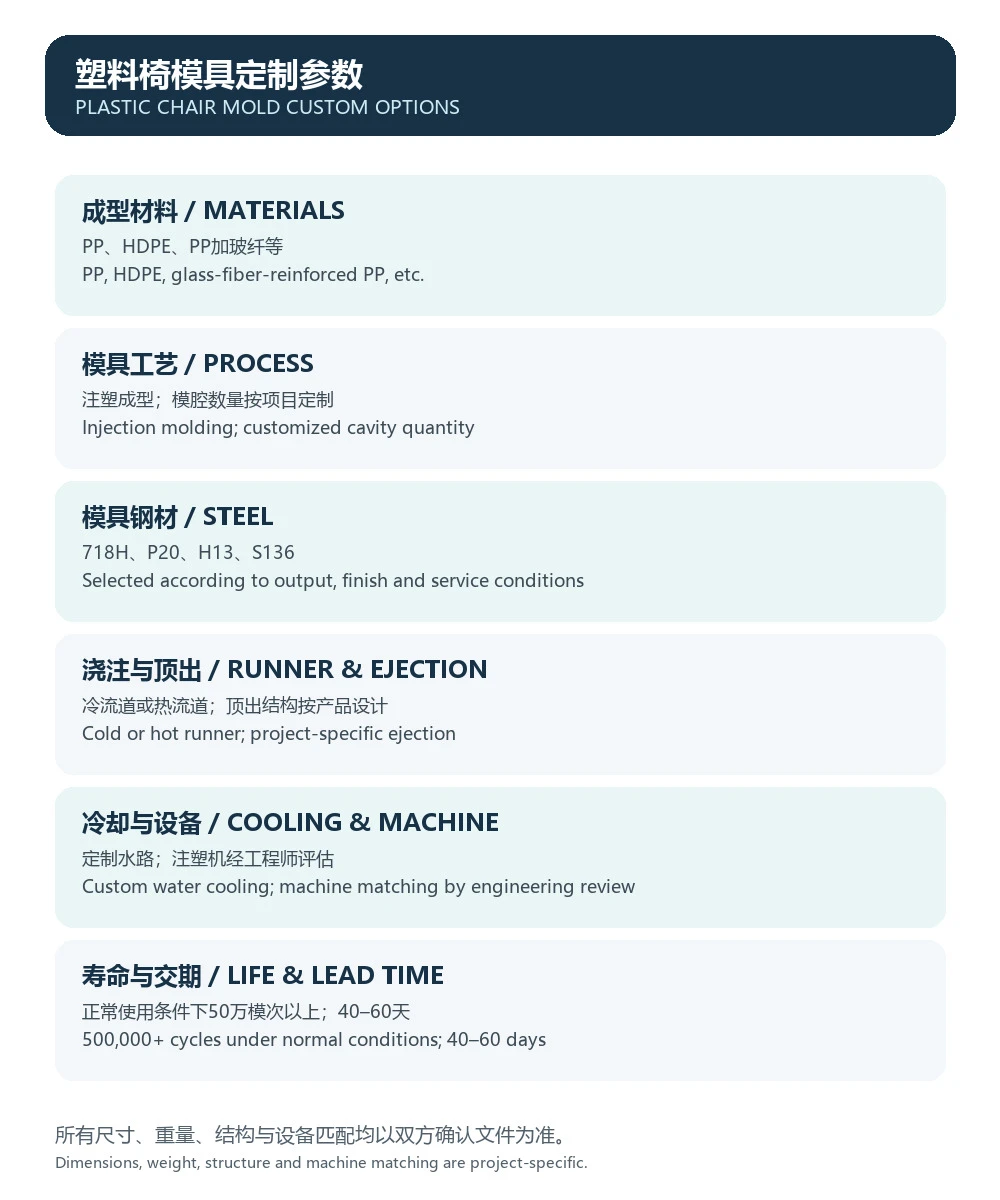
Applicable molding materials include PP, HDPE and glass-fiber-reinforced PP. Engineering evaluation considers material shrinkage and flow, wall thickness in the seat and legs, rib layout, load-bearing structure, surface texture and demolding conditions to support stable filling, dimensional consistency and appearance.
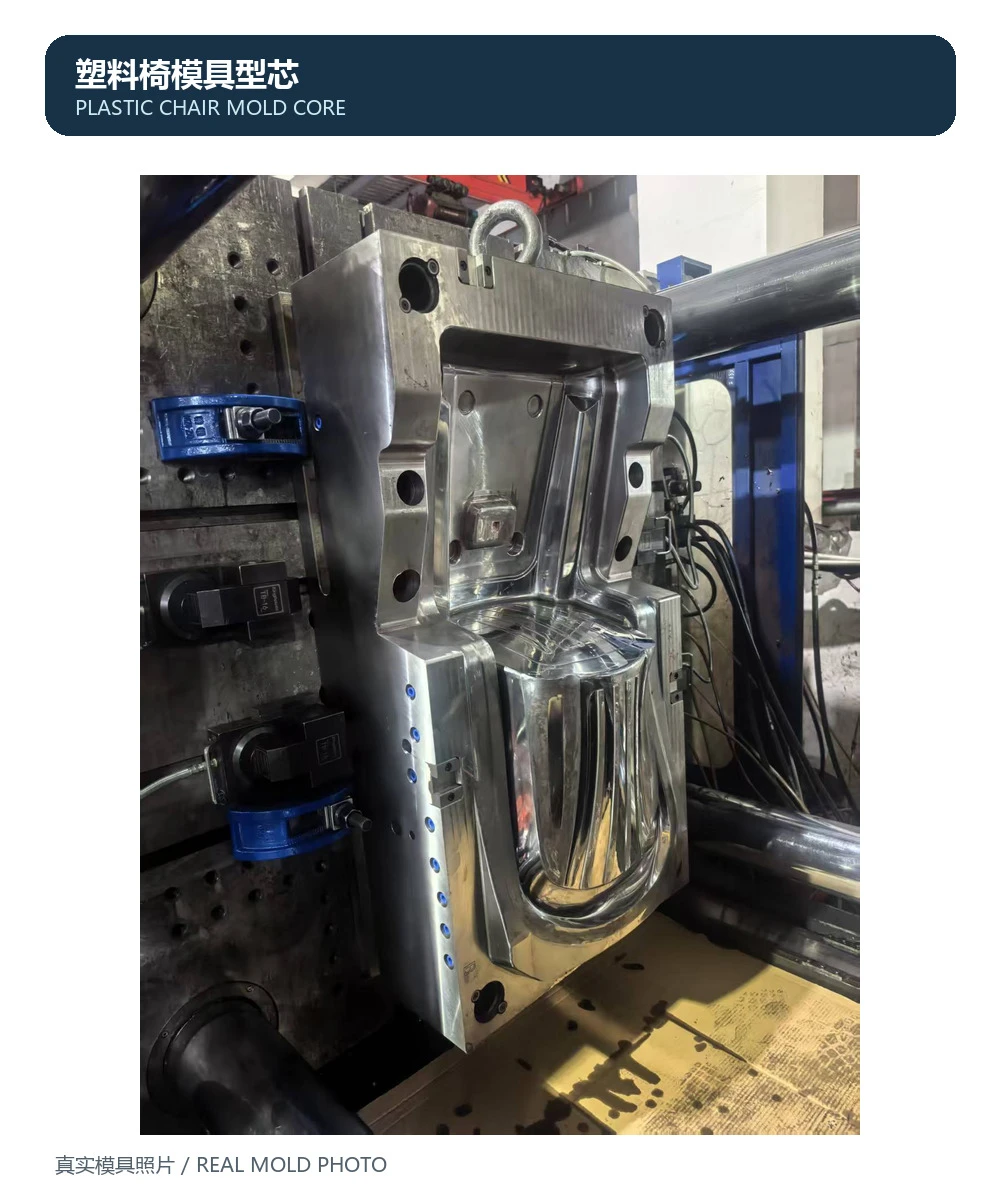
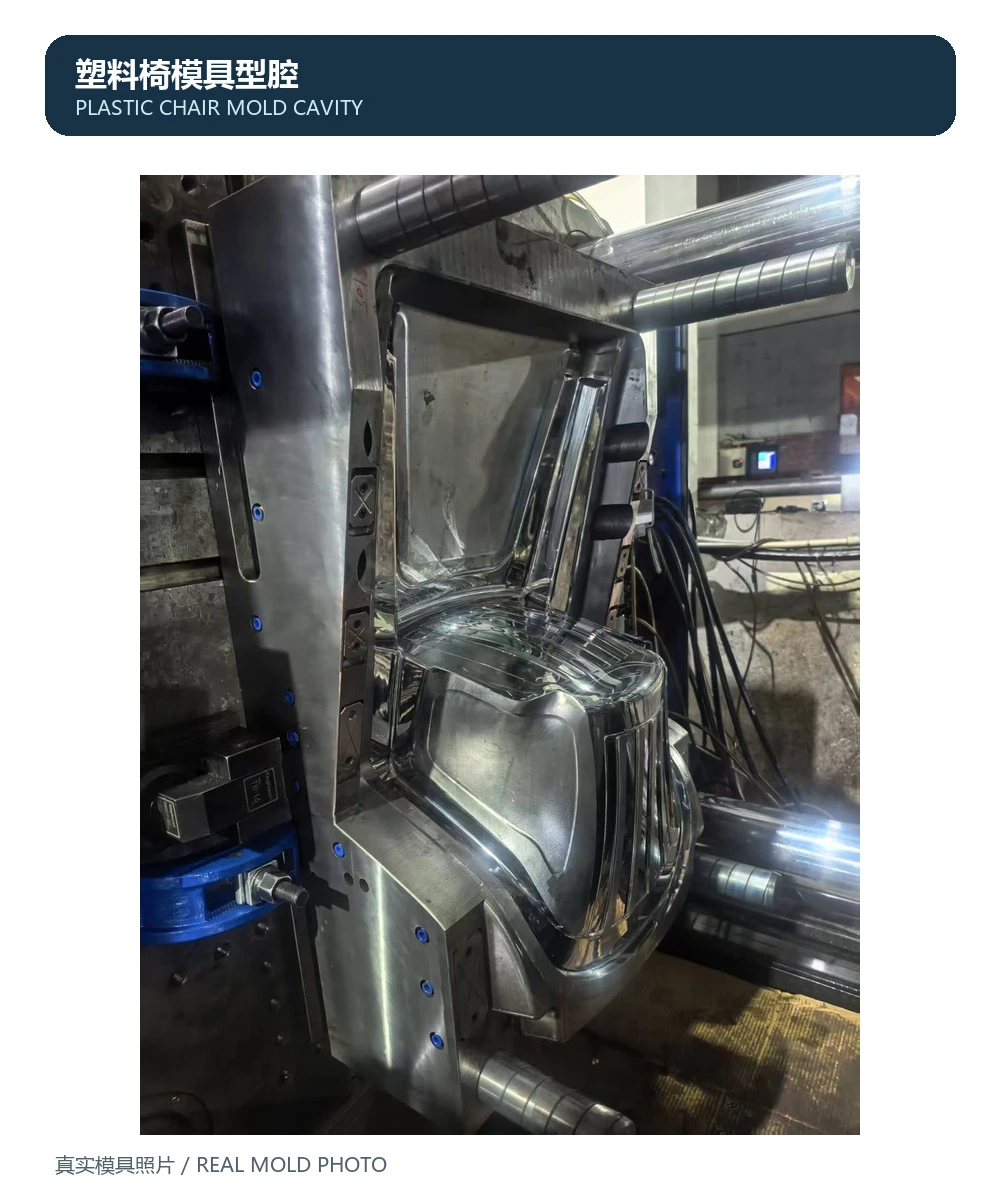
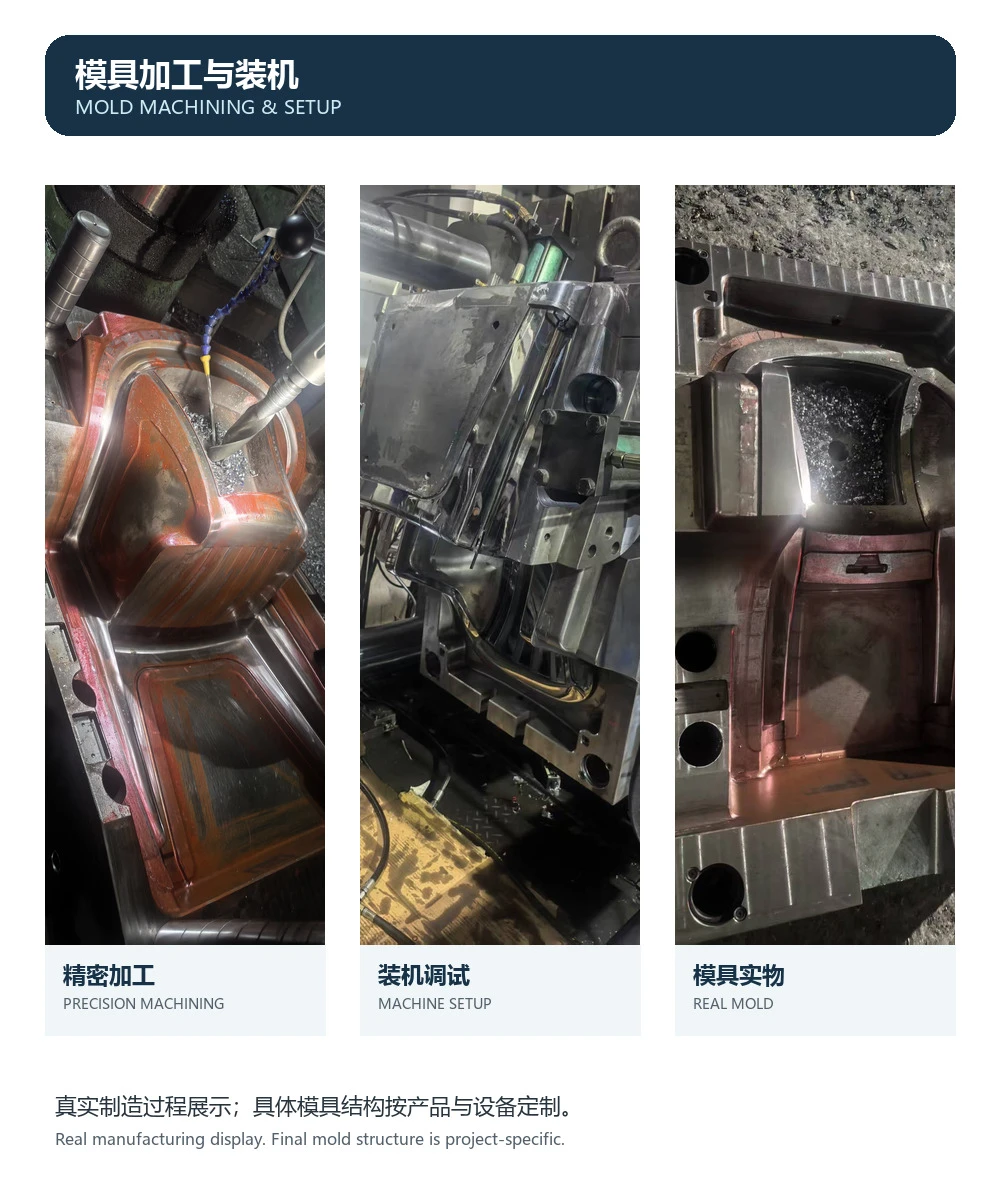
Cavity quantity, parting design, slide or core-pulling structure and ejection system are customized for the chair geometry and required output. Ejector pins, blocks, air ejection or combined solutions may be selected after design review to reduce deformation, stress marks and surface damage.
The Plastic Chair Mold can use a cold-runner or hot-runner system. Gate position, runner balance and filling path are determined from the chair design, material and molding-machine data. Custom water circuits control temperature across the seat, backrest, armrests and legs to support cycle efficiency and warpage control.
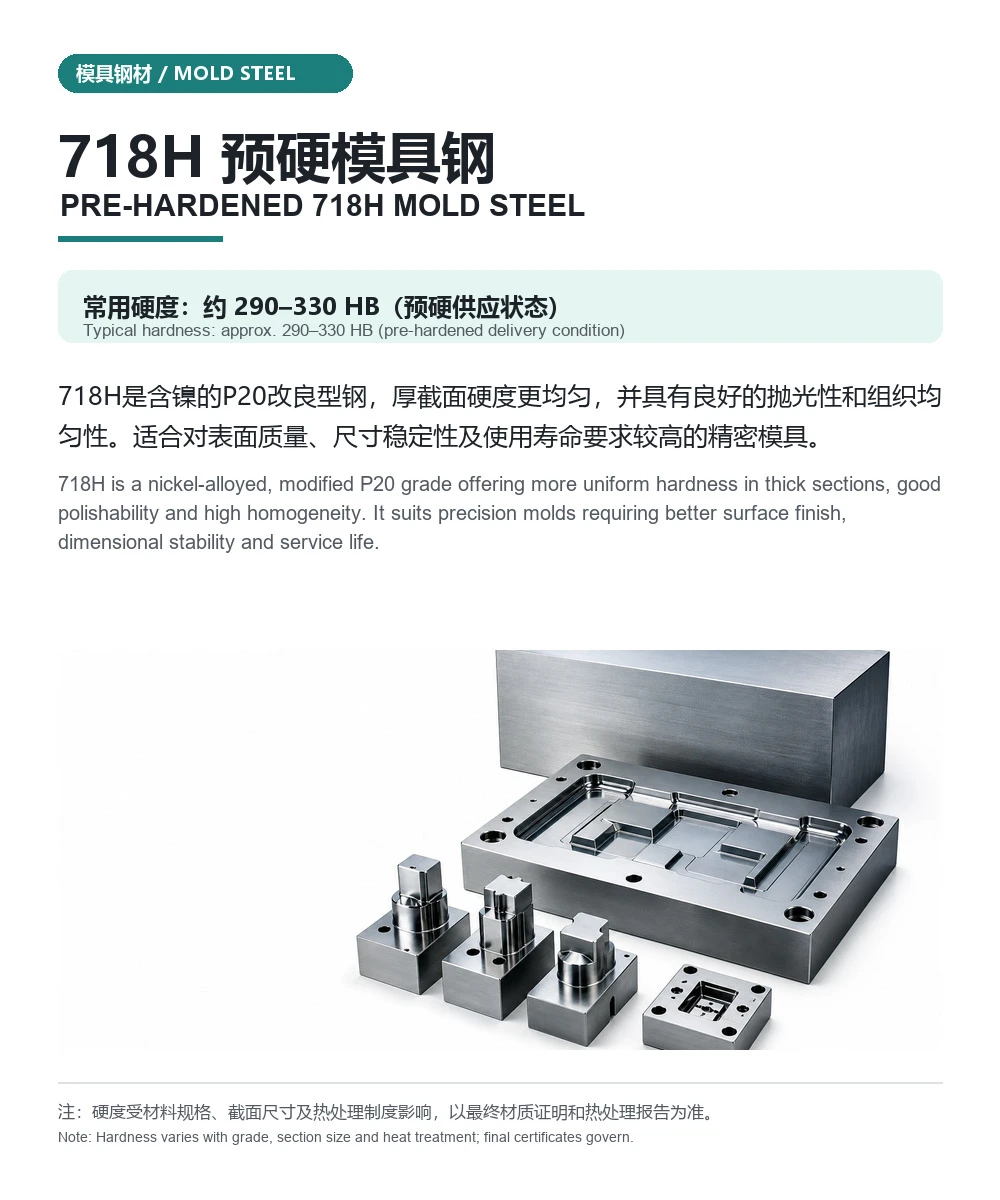
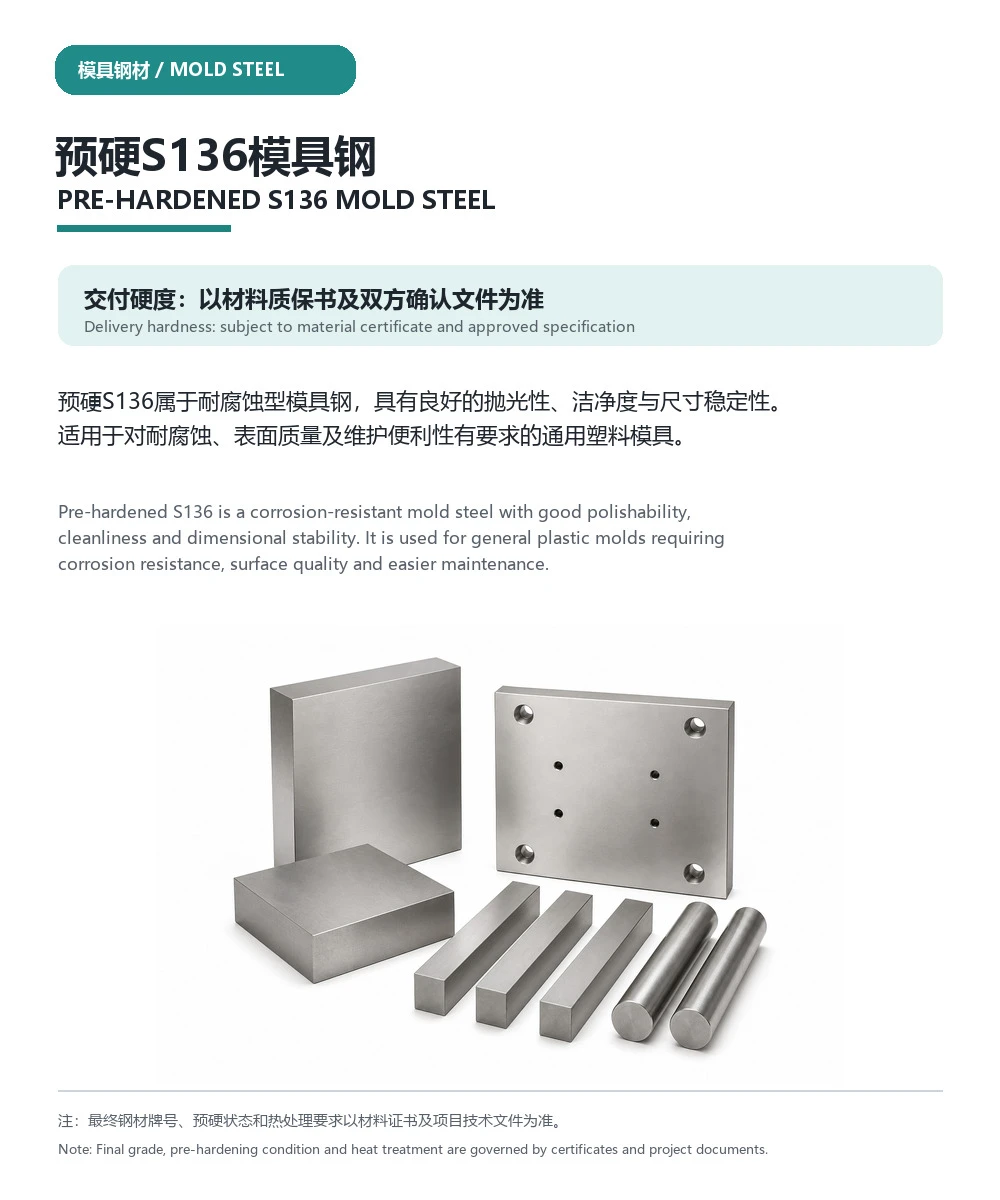
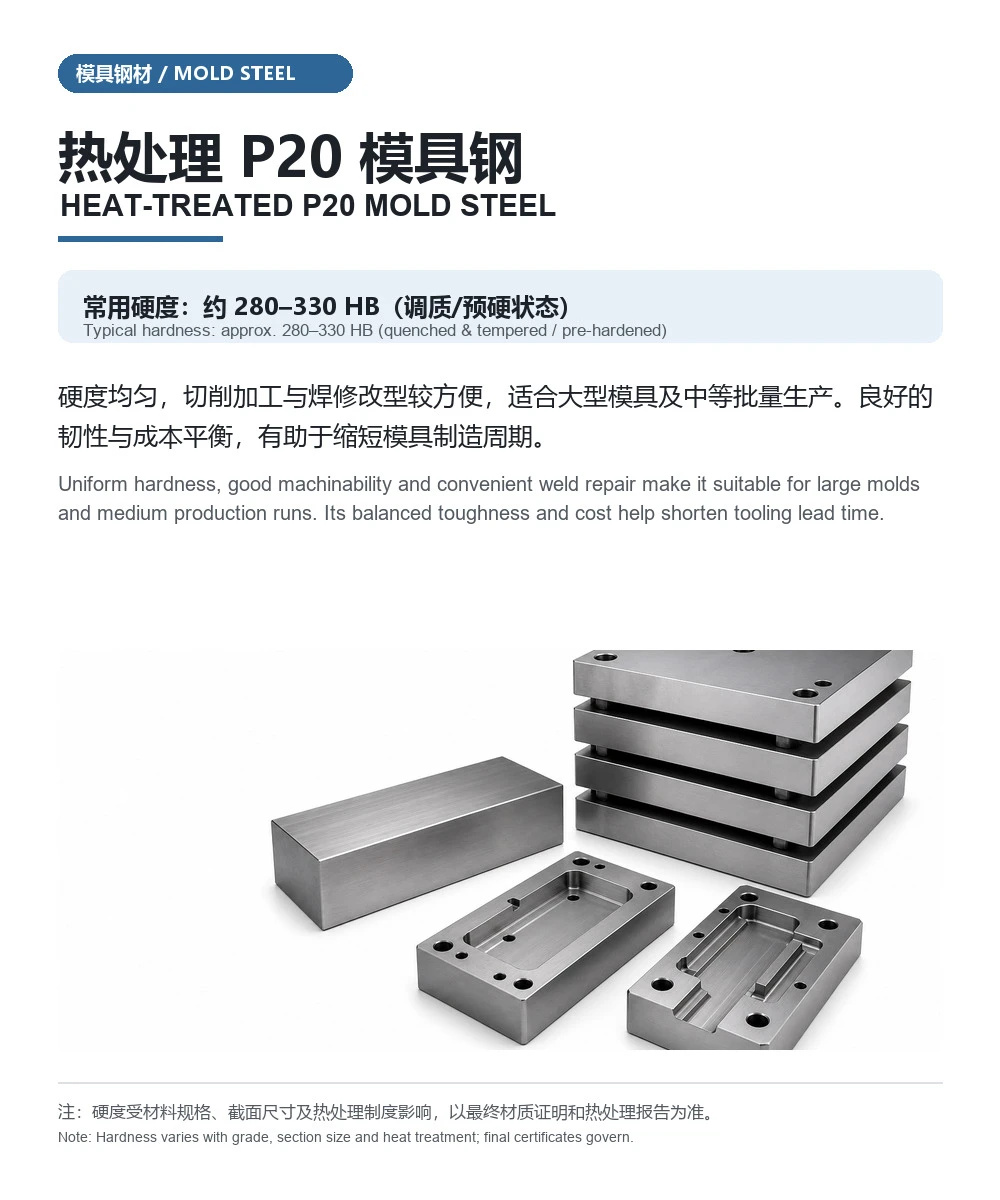
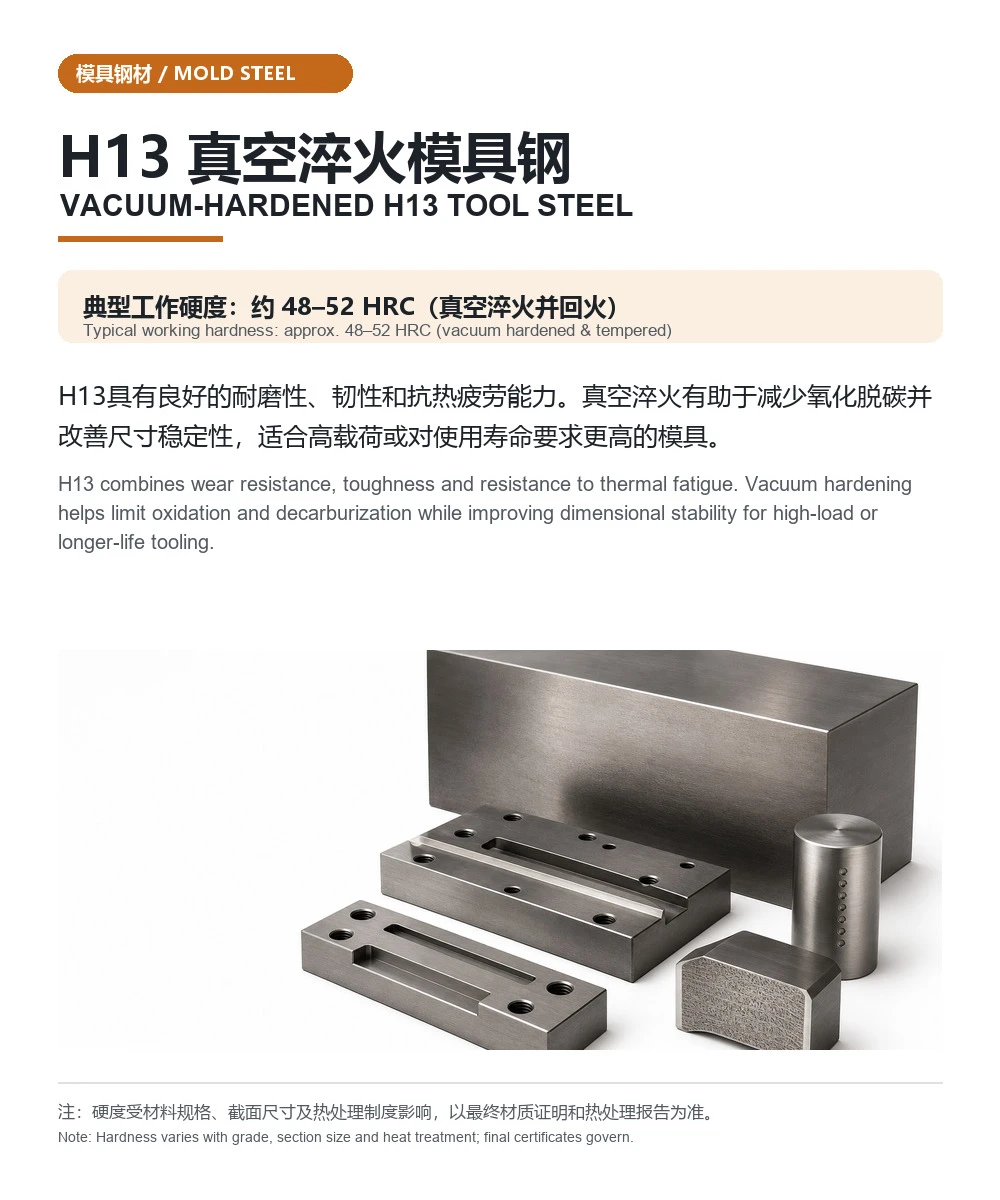
Available steel options include pre-hardened 718H, pre-treated P20, vacuum-hardened H13 and pre-hardened S136. Final steel and heat treatment are confirmed according to output, surface requirements, material abrasiveness, maintenance conditions and budget, subject to certificates and approved technical documents.
Mold dimensions, weight, interfaces and machine matching are evaluated from product size, projected area, shot volume, clamping force, platen size, tie-bar spacing and opening stroke. No fixed machine model or tonnage is stated before the complete equipment data are reviewed.
Application Scenarios
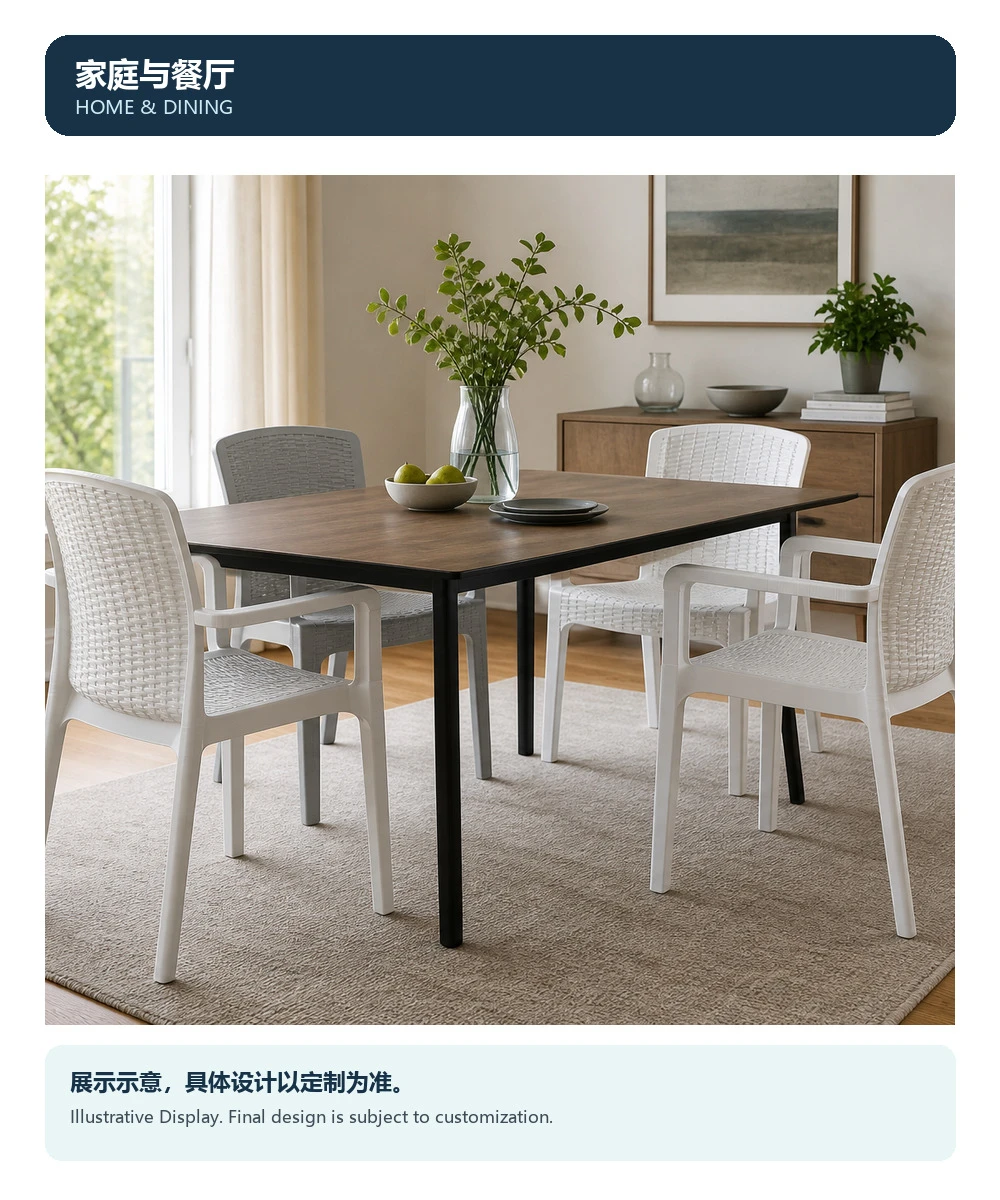
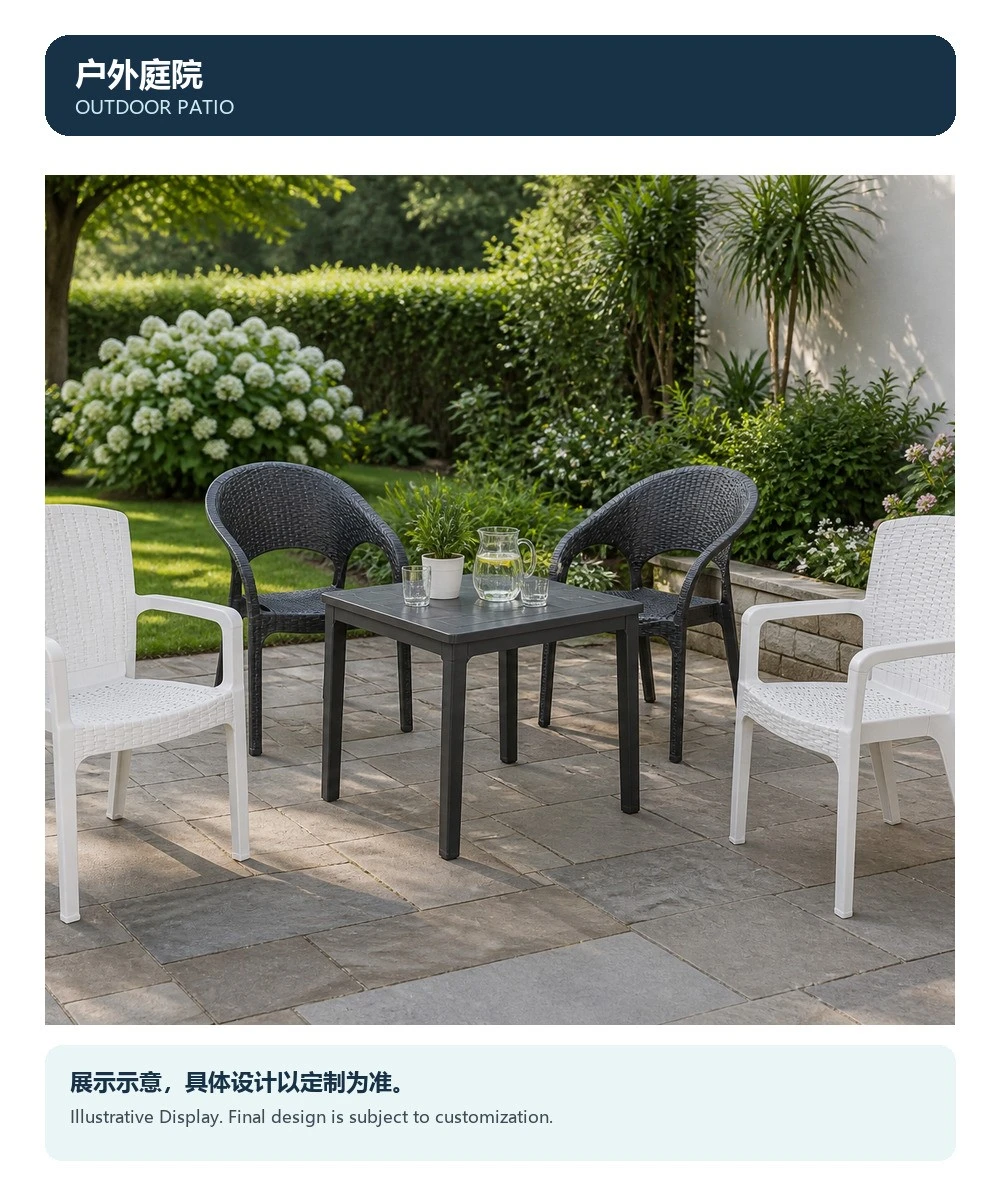
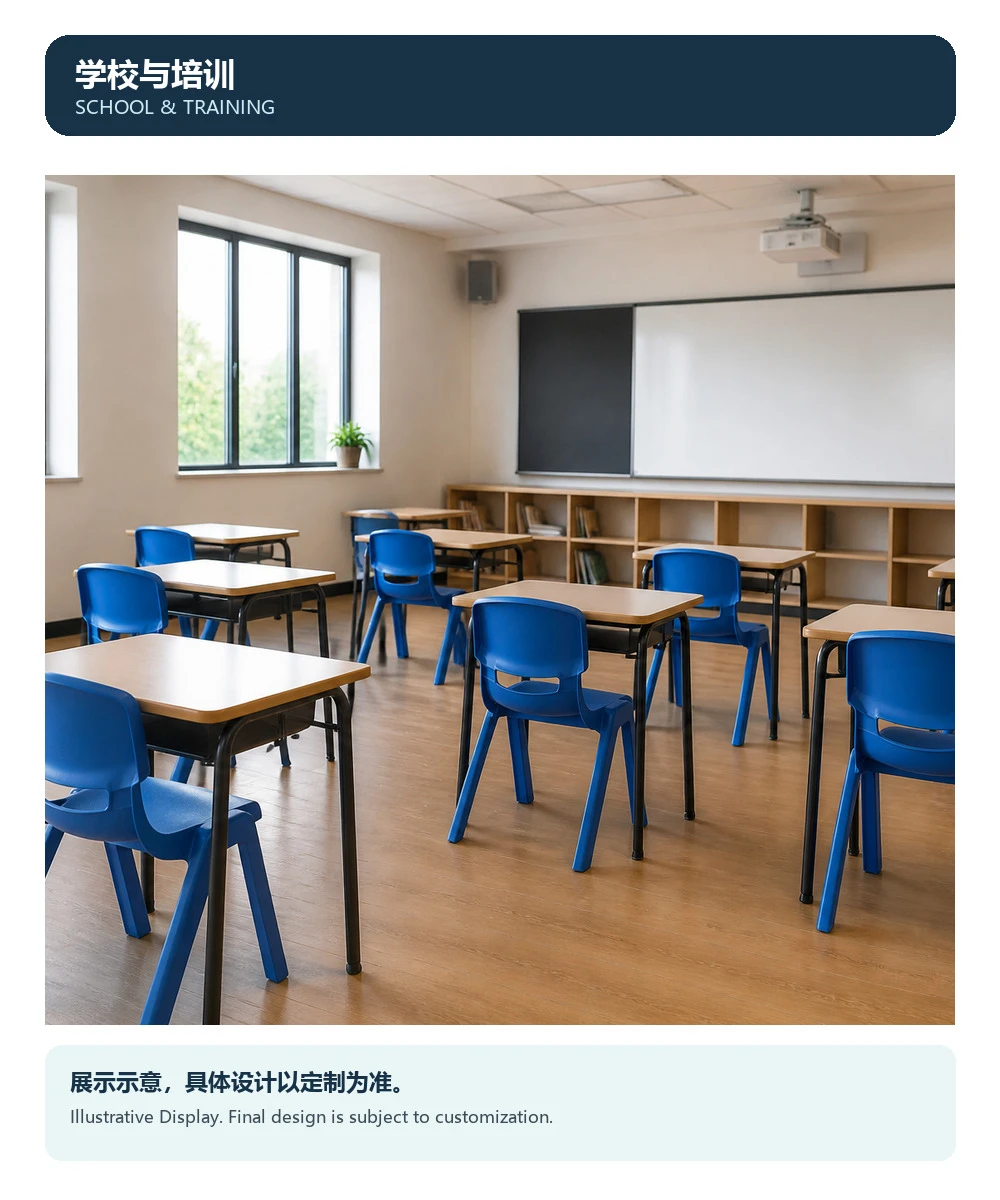
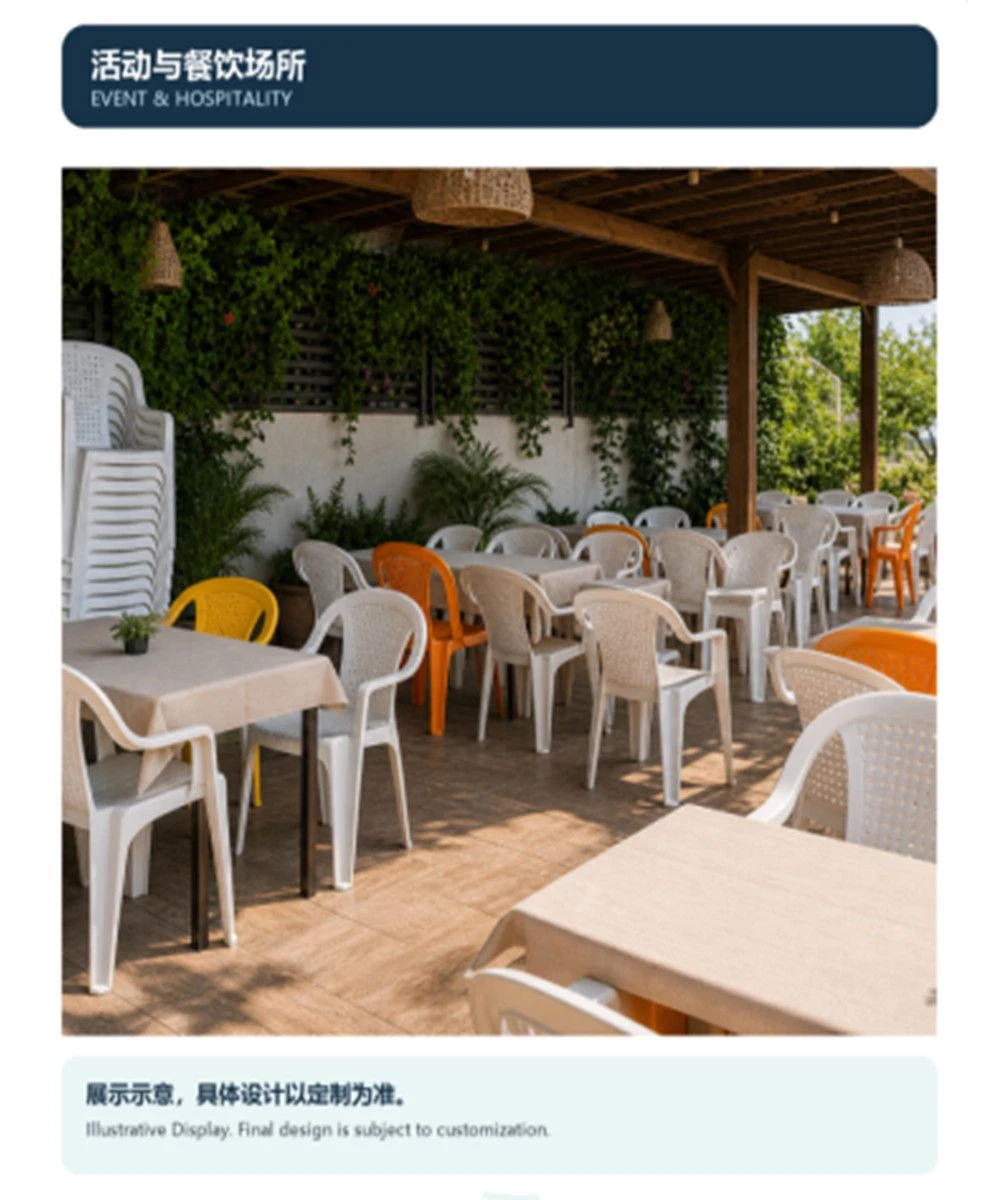
Plastic chair molds can produce dining chairs, outdoor leisure chairs, school chairs, restaurant seating and stackable chairs for event venues. Chair designs can be customized for the use environment, material, load-bearing structure, surface texture and stacking requirements.
Application images are illustrative displays and do not represent a specific customer project or fixed mold structure. Final chair design, dimensions, colors and performance are subject to approved project documents.
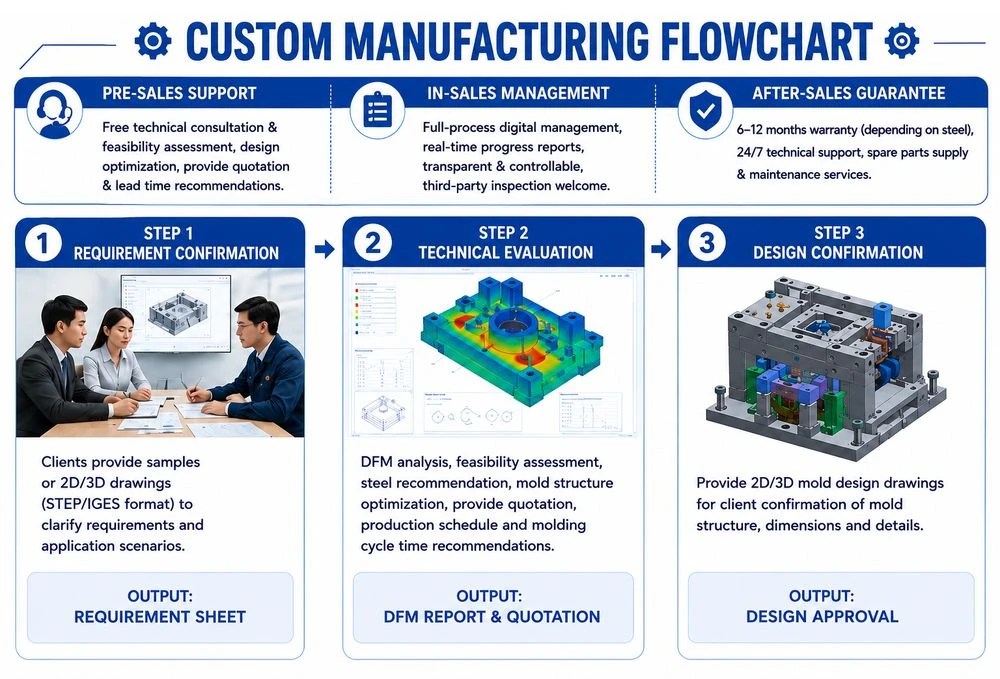
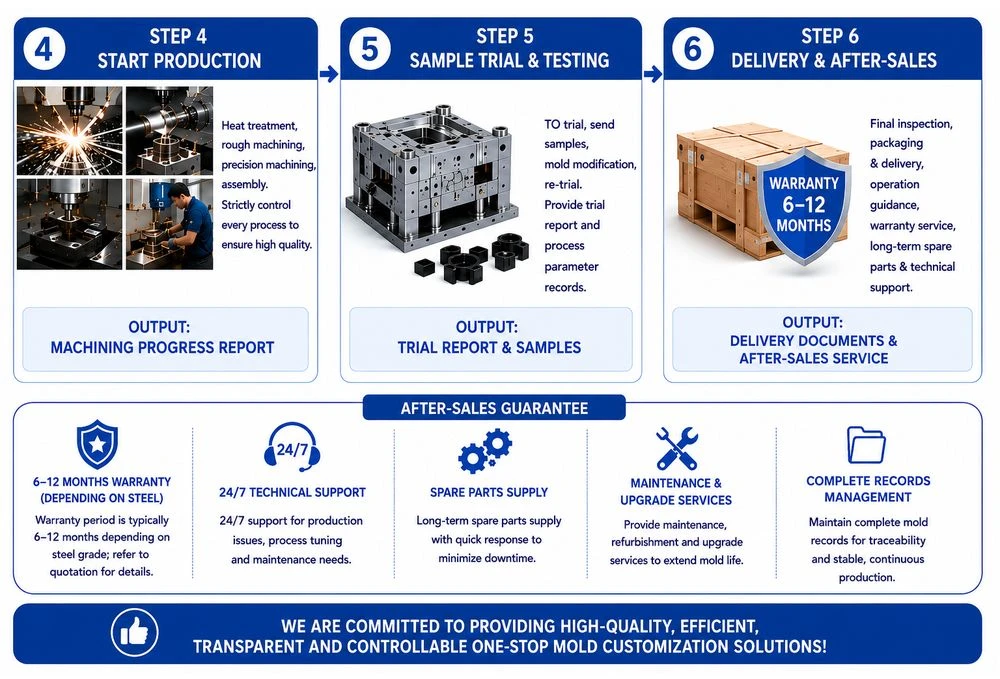
Mold Customization Process
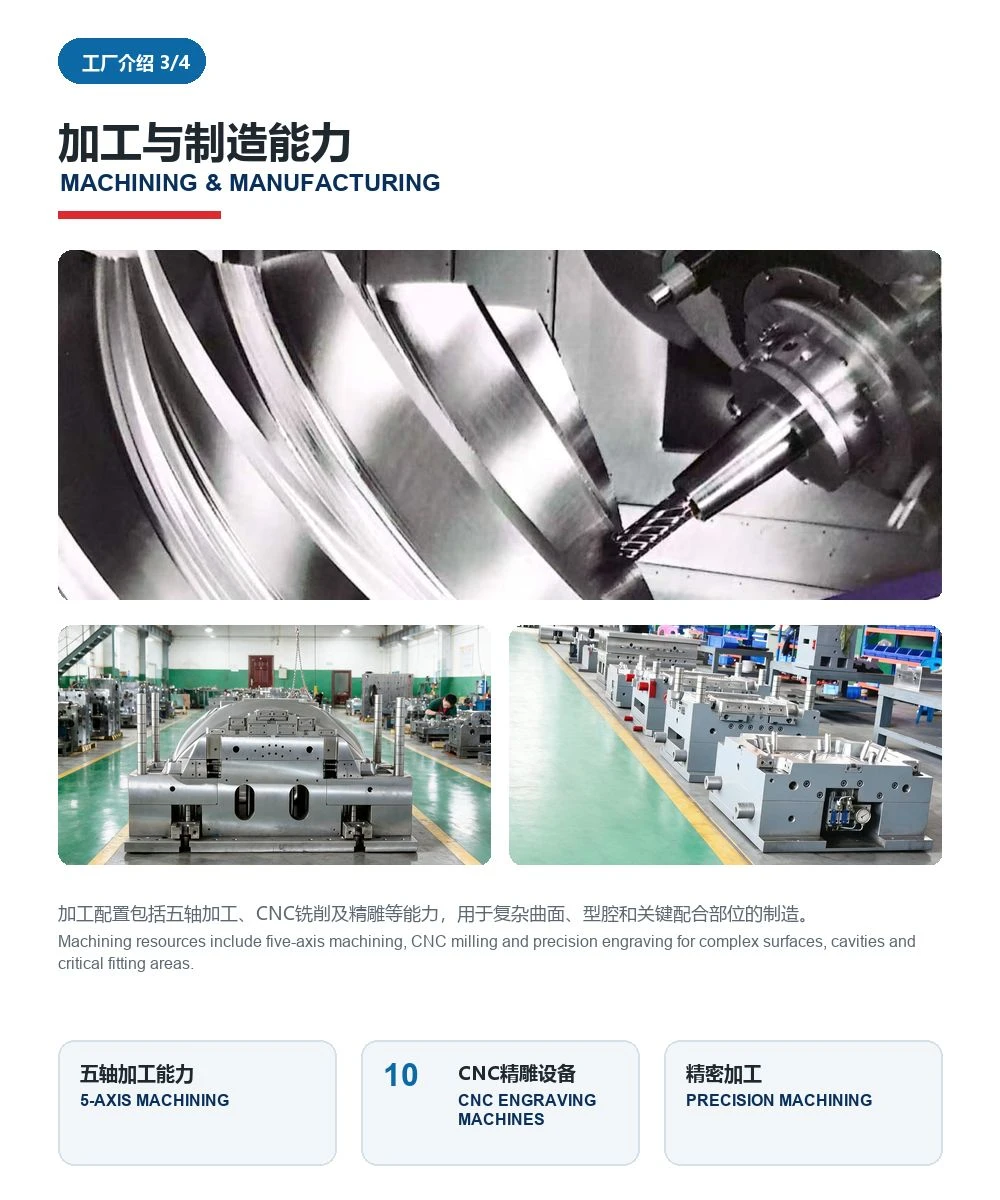
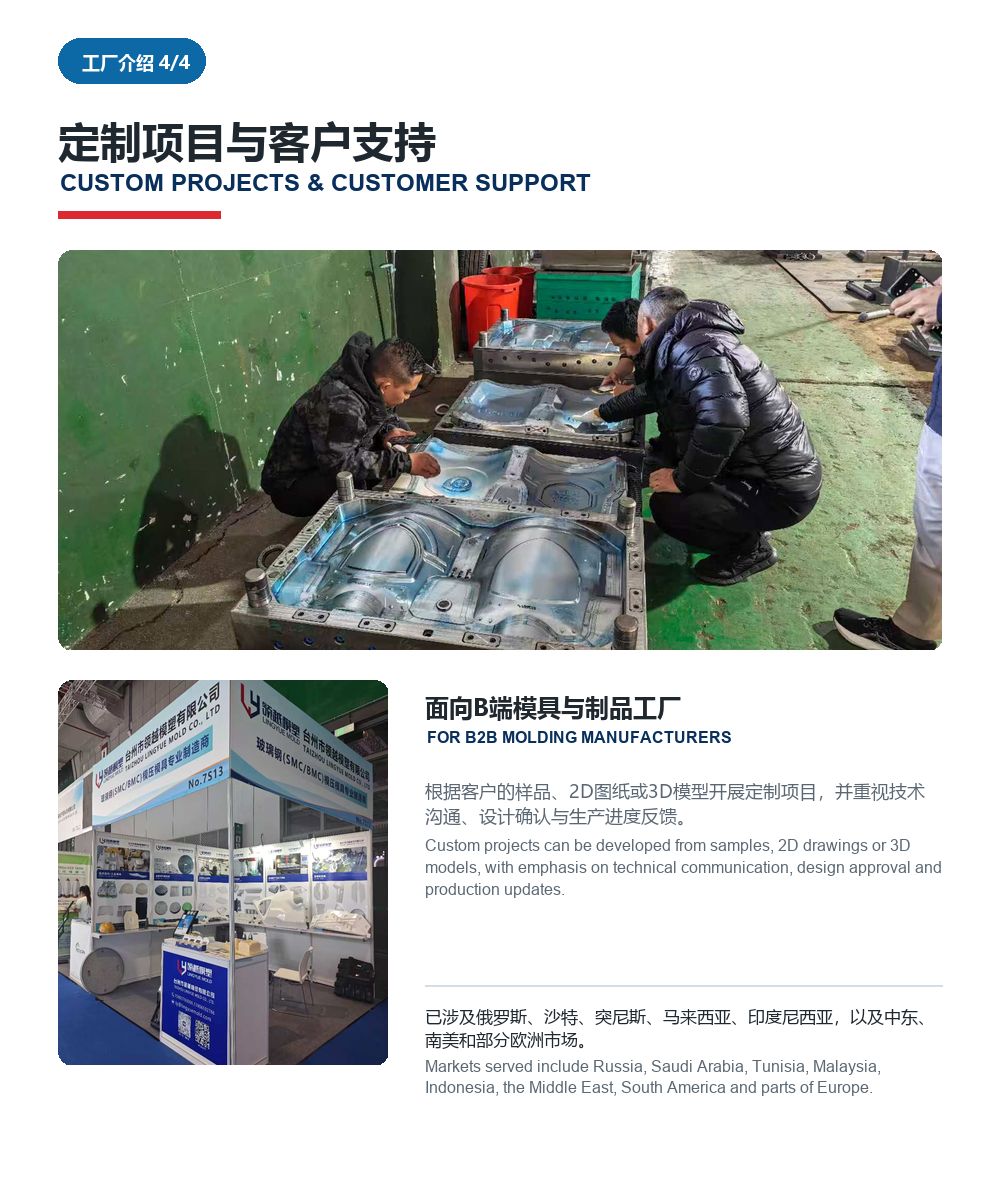
Factory Introduction
Plastic Chair Mold FAQ
Q: What chair styles can the mold produce?
A: The mold can be developed for armchairs, armless chairs, dining chairs, outdoor chairs, school chairs and other designs from samples, 2D drawings or 3D models. C01–C16 show the customization range only.
Q: Which plastic materials can be used?
A: Common materials include PP, HDPE and glass-fiber-reinforced PP. Final material selection depends on chair structure, surface requirements, load requirements and use environment.
Q: How do you choose between cold and hot runners?
A: Selection depends on chair design, material, output, gate solution, maintenance capability and budget. Engineers recommend a system after reviewing the filling path and customer equipment.
Q: How is the injection-molding machine matched?
A: Machine matching reviews projected area, shot volume, clamping force, platen size, tie-bar spacing, mold thickness and opening stroke. A fixed tonnage should not be stated before complete machine data are checked.
Q: Can the mold be tested before shipment?
A: Mold trials can be arranged according to the project scope, with optimization based on filling, dimensions, appearance, demolding and deformation. Sample and trial-data delivery is subject to the quotation and contract.
Q: How can short shots in chair legs or backrests be reduced?
A: Check material condition and flow, shot volume, gate and runner balance, venting, injection speed and pressure. Actual adjustments must use the material grade, mold structure and machine data.
Q: How is chair warpage controlled?
A: Control requires balanced wall and rib design, optimized gating and cooling, and suitable holding pressure, cooling time and demolding temperature. Each chair design should be optimized through flow analysis or trial data.
Q: How can stress whitening and ejection deformation be avoided?
A: Provide sufficient draft, distribute ejection points, control mold surface and demolding temperature, and avoid excessive local force. Pins, blocks, air ejection or combined systems are selected for the product structure.
Q: How are rattan or textured surfaces controlled?
A: Textured areas require suitable steel, polishing or etching, sufficient draft and uniform filling. Texture samples, color and appearance standards should be approved before manufacturing.
Q: How does glass-fiber-reinforced PP affect the mold?
A: Glass-fiber materials generally increase wear on runners, gates and molding surfaces. Steel, hardness and wear-part solutions should reflect fiber content, output and maintenance conditions.
Hot Tags: plastic chair mold, China plastic chair mold manufacturers, suppliers, factory


