


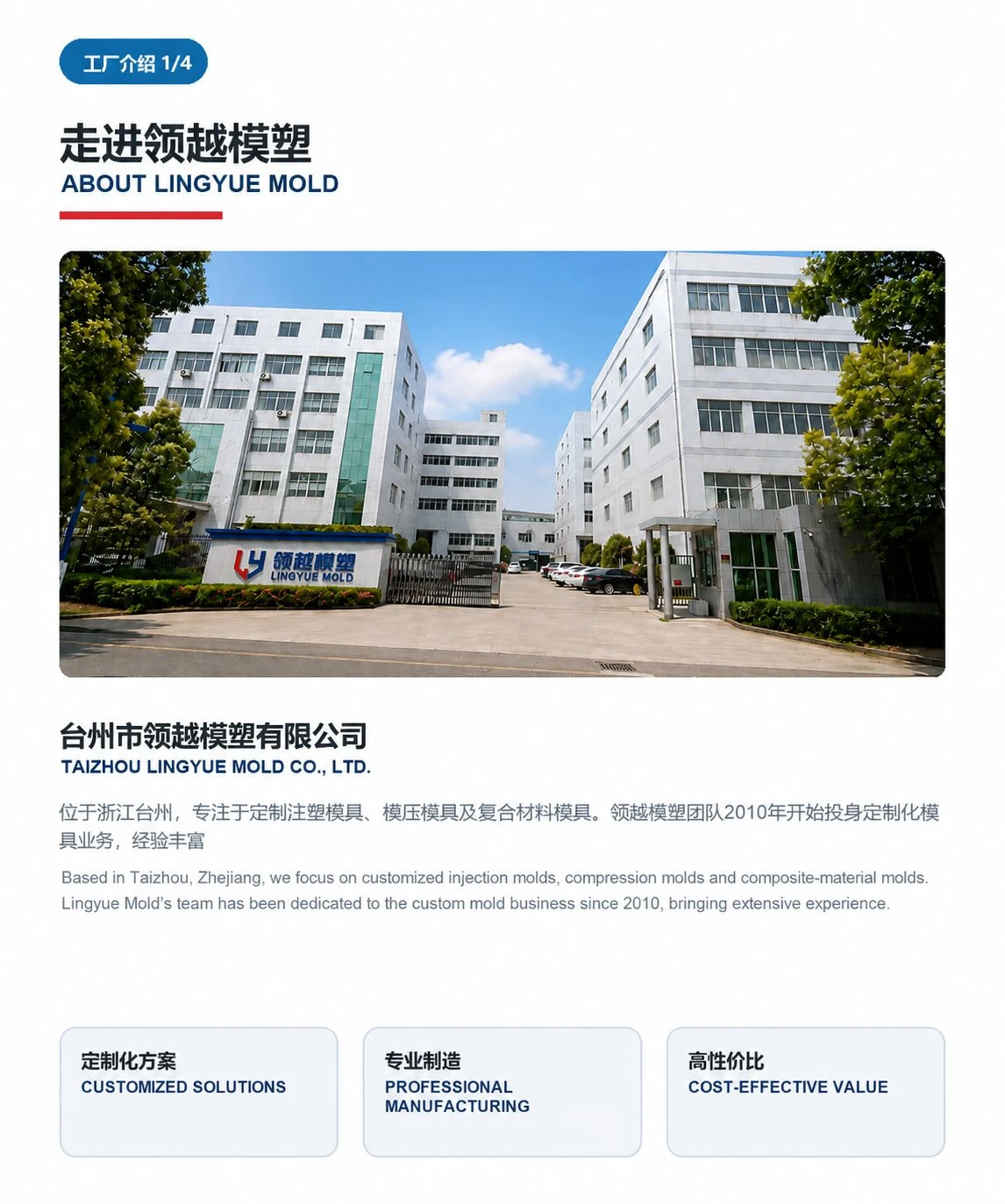
Taizhou Lingyue Mold and Plastic Co., Ltd. is one of the most reliable manufacturers and suppliers of underbody shield mold in China. With abundant experience, we are committed to providing high quality customized products with low price. We are warmly welcome you to buy advanced underbody shield mold made in China here from our factory. If you have any enquiry about quotation, please feel free to email us.
Product Details
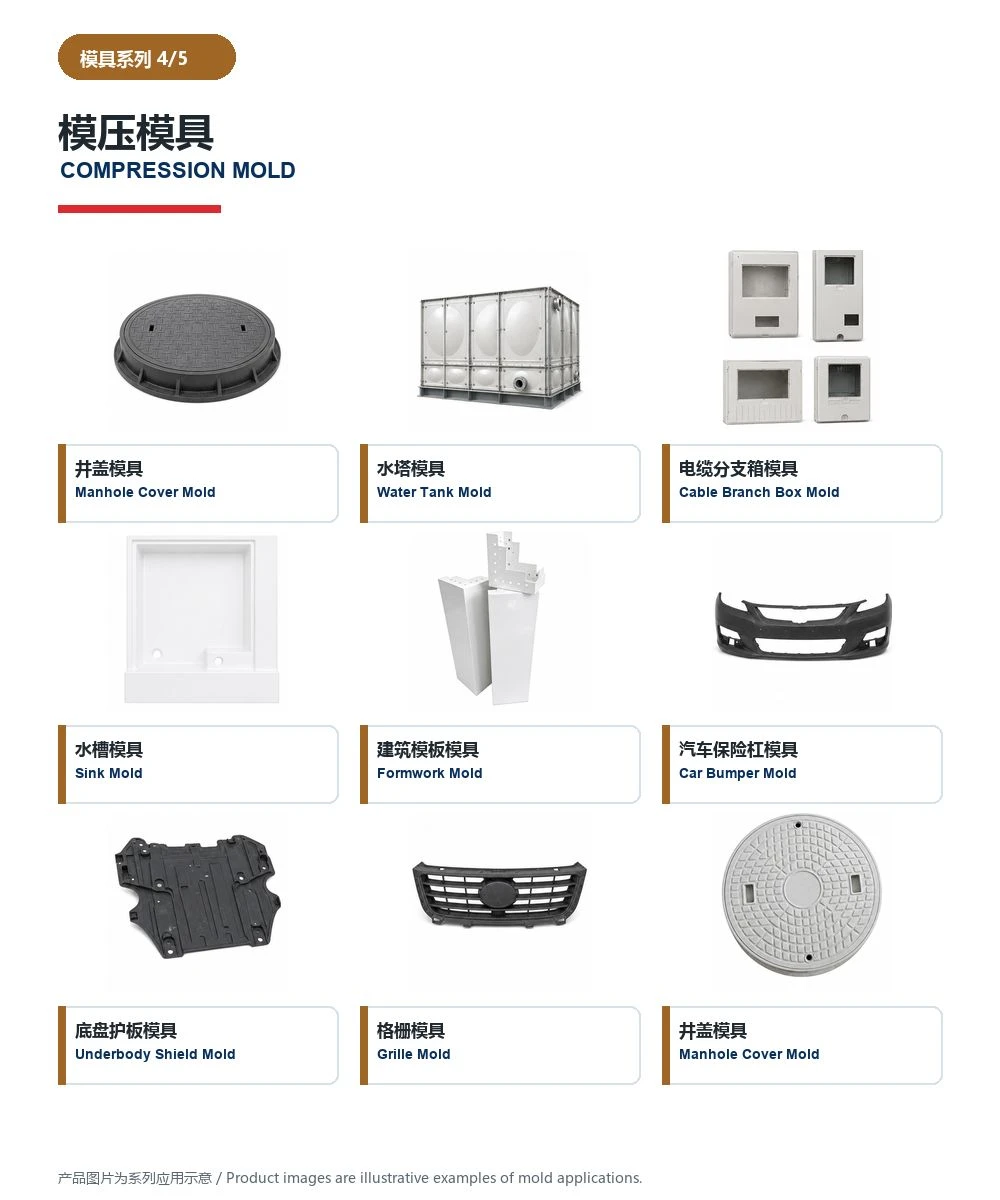
Underbody Shield Mold
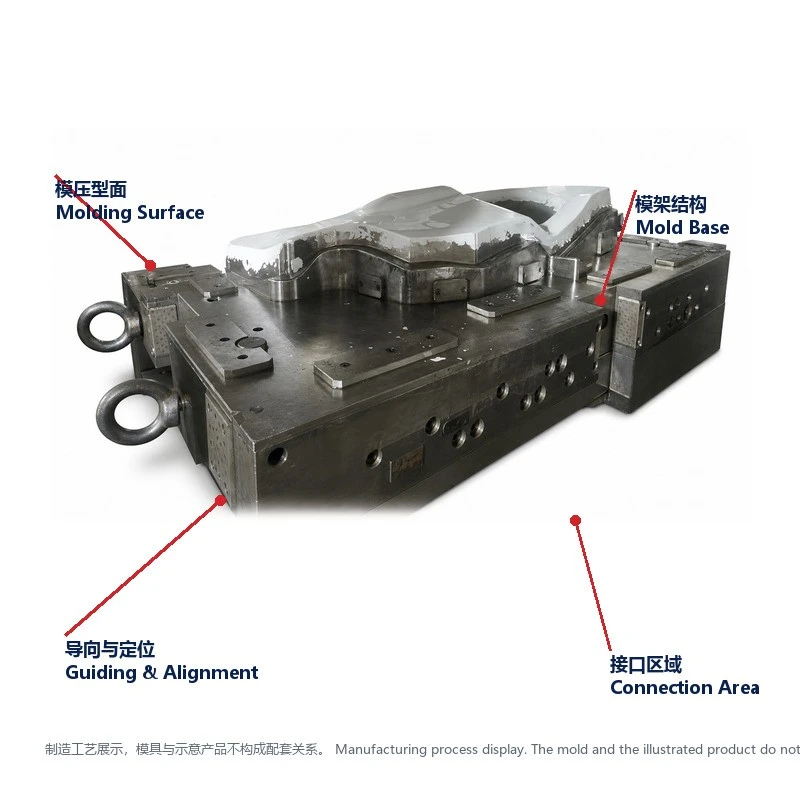
The Underbody Shield Mold is developed for B2B compression molding factories producing engine undertrays, vehicle underbody protection panels, and large composite covers. Using the SMC compression molding process, the tooling is evaluated from the approved product design, 2D drawings, 3D data, press conditions, and acceptance requirements. Engineering focuses on material flow across large surfaces, uniform heating, venting, demolding, dimensional stability, and repeatable part quality.
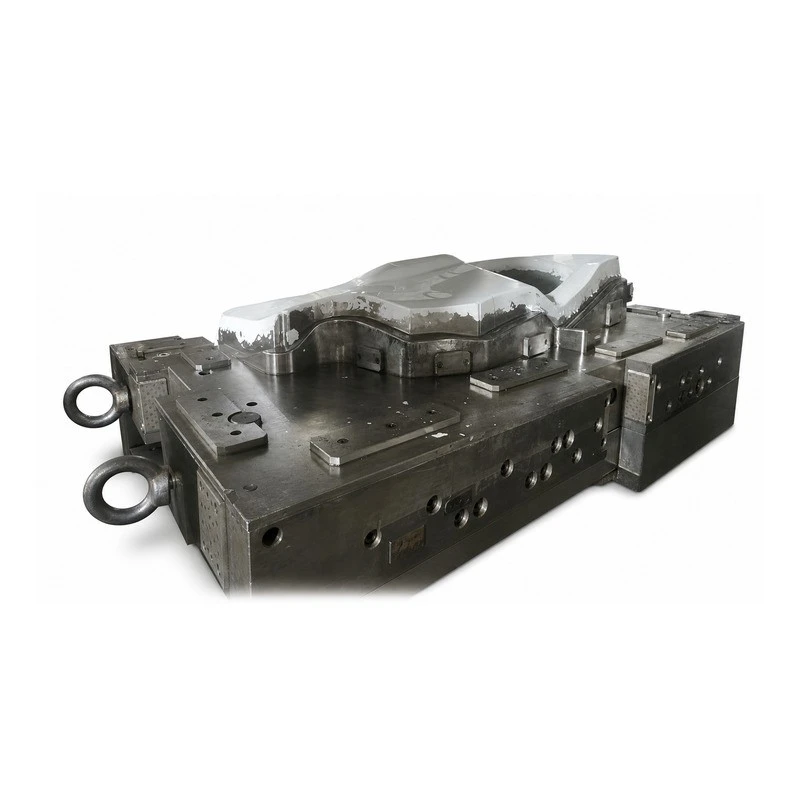
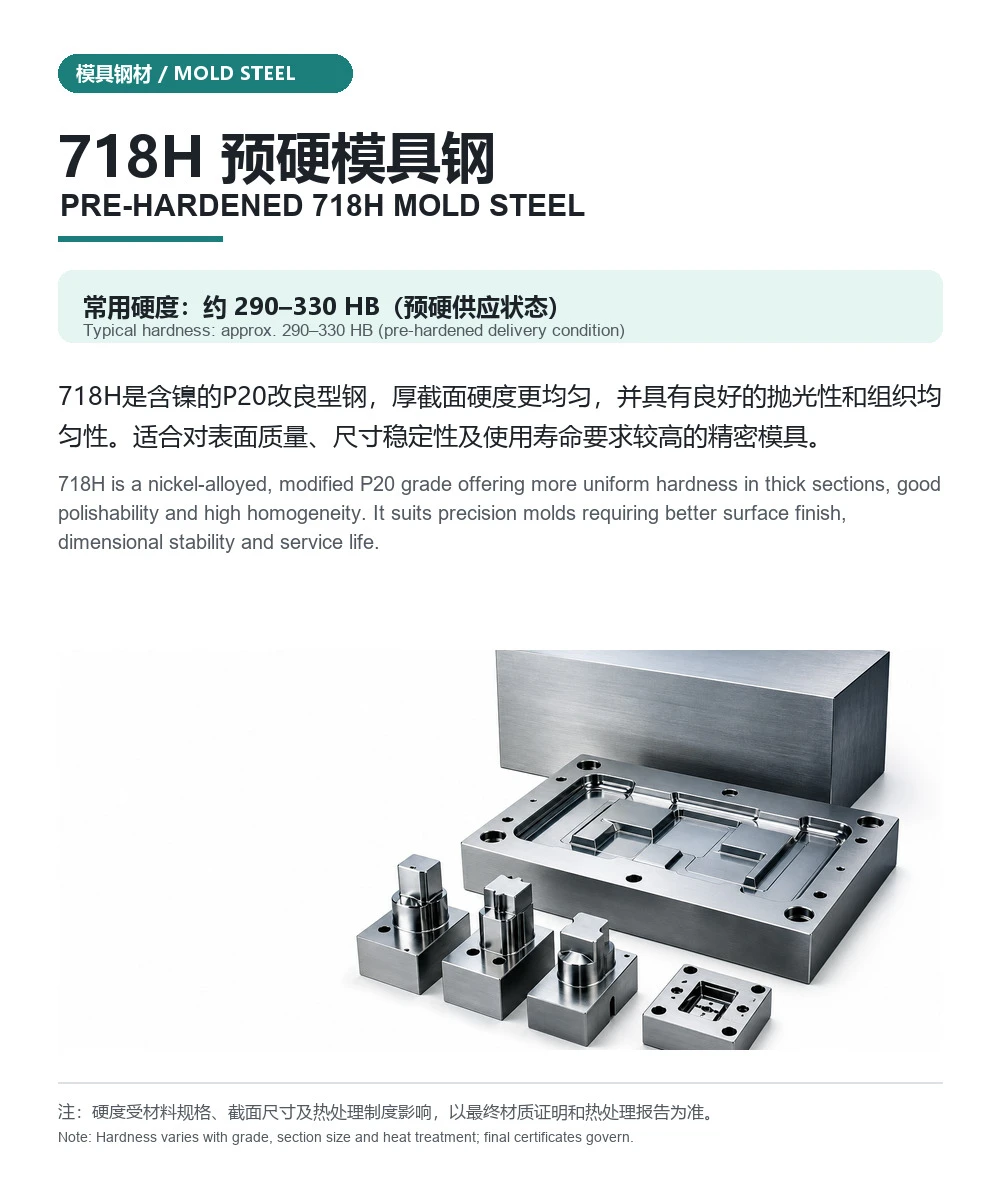
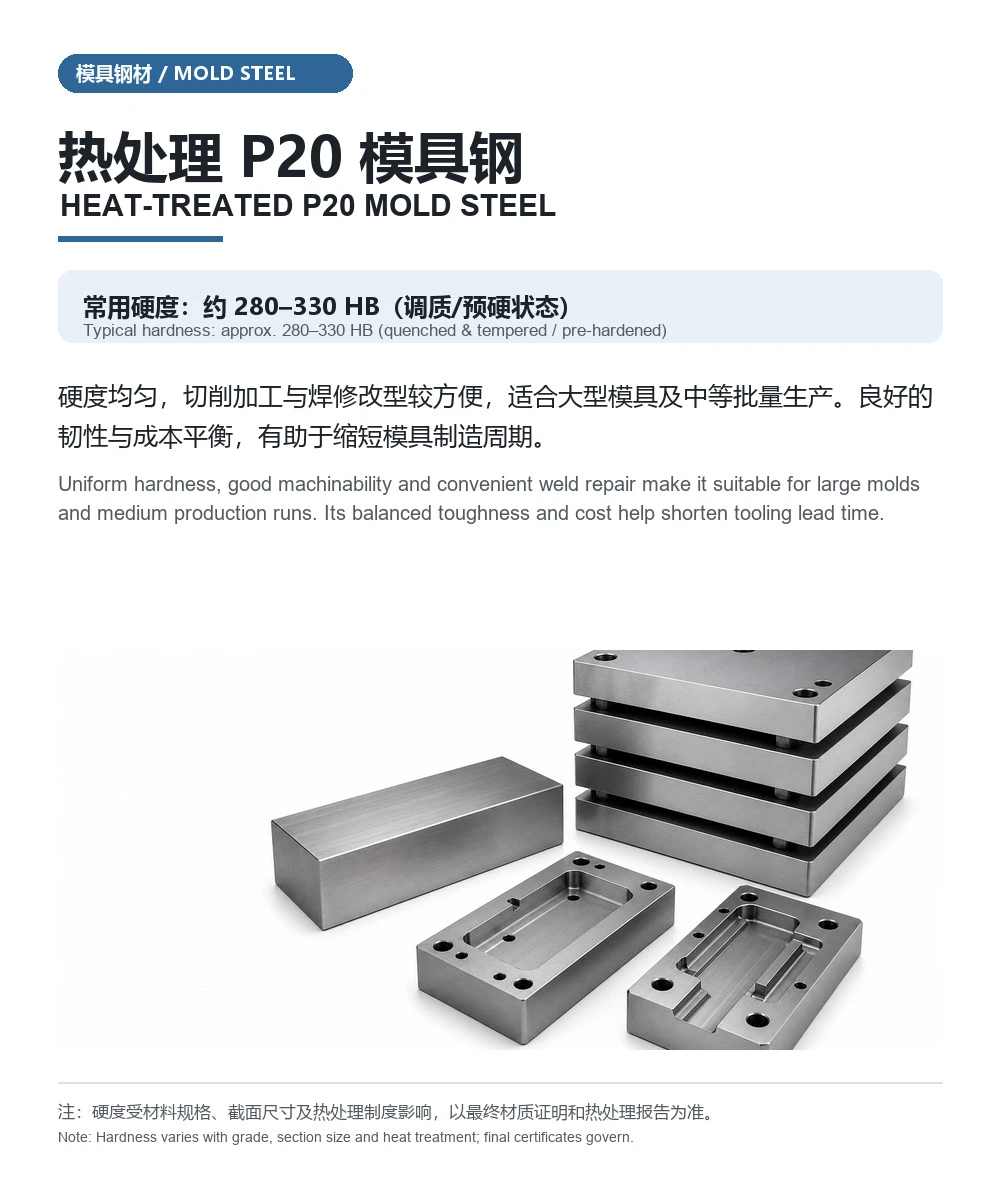
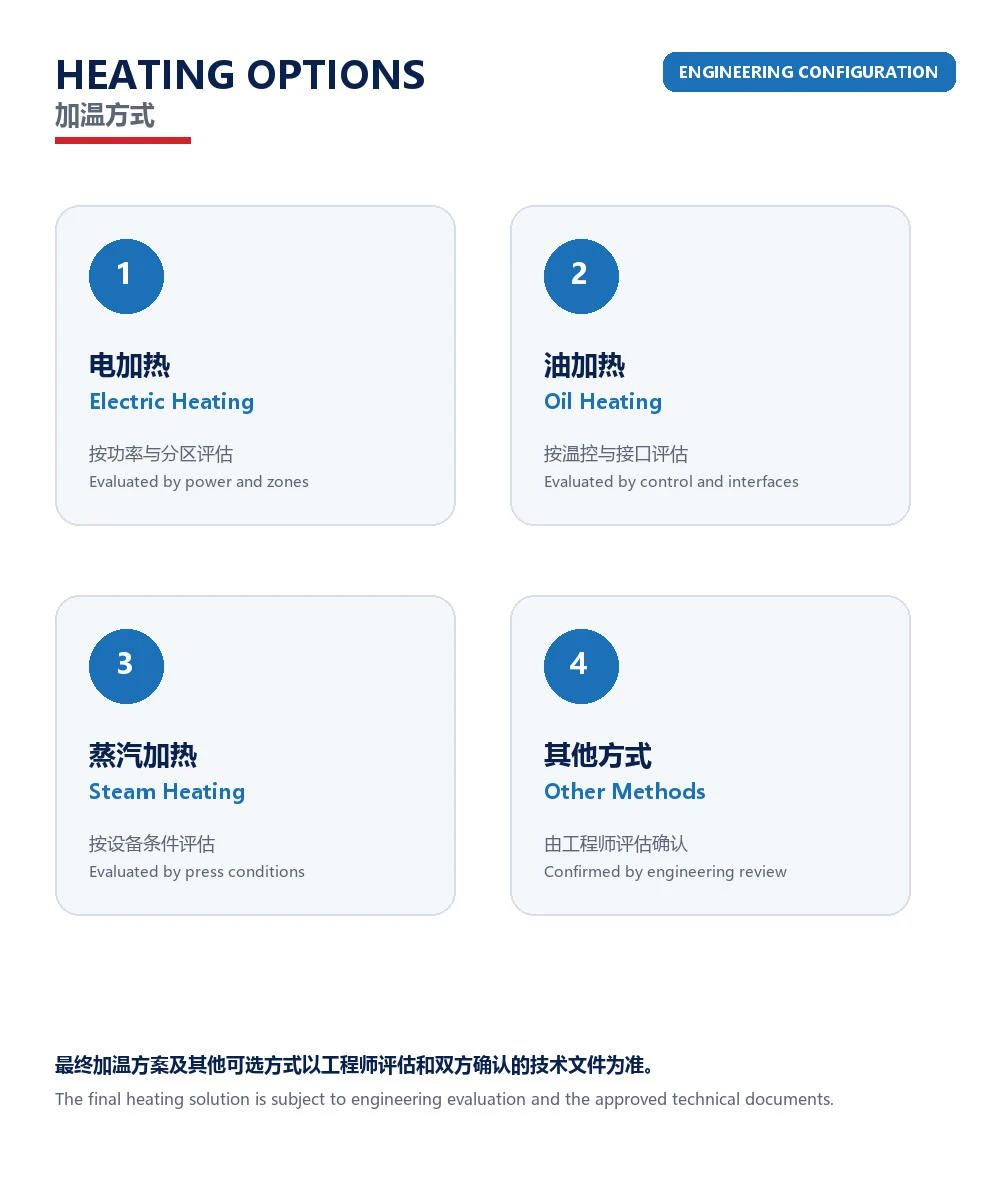
This Underbody Shield Mold uses pre-hardened 718H and heat-treated P20 mold steel. Heating options include electric heating, oil heating, steam heating, and other solutions confirmed through engineering review. Cavities, mold dimensions, and mold weight are customized. Hydraulic press compatibility is assessed according to platen size, tonnage, stroke, interfaces, and the customer's actual production conditions.
As custom automotive underbody tooling, the mold supports purchasing searches for an SMC underbody shield mold, automotive undertray mold, engine splash shield mold, battery protection panel mold, and composite automotive parts tooling. Buyers comparing an SMC mold manufacturer, compression mold supplier, or automotive tooling factory can provide product and press data for a project-specific assessment. Under normal operation and proper maintenance, mold life starts from 500,000 molding cycles.
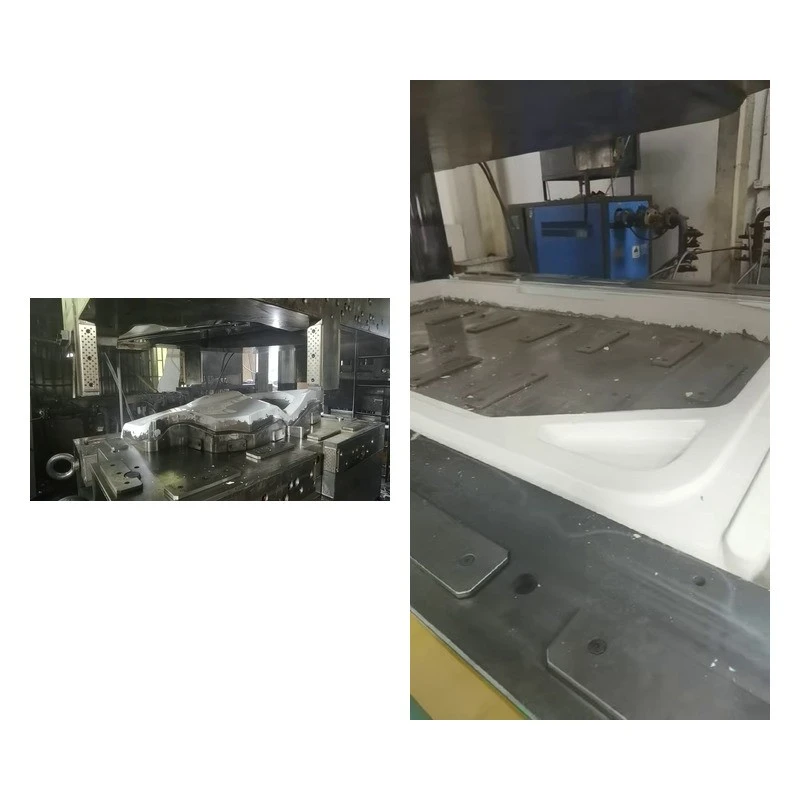
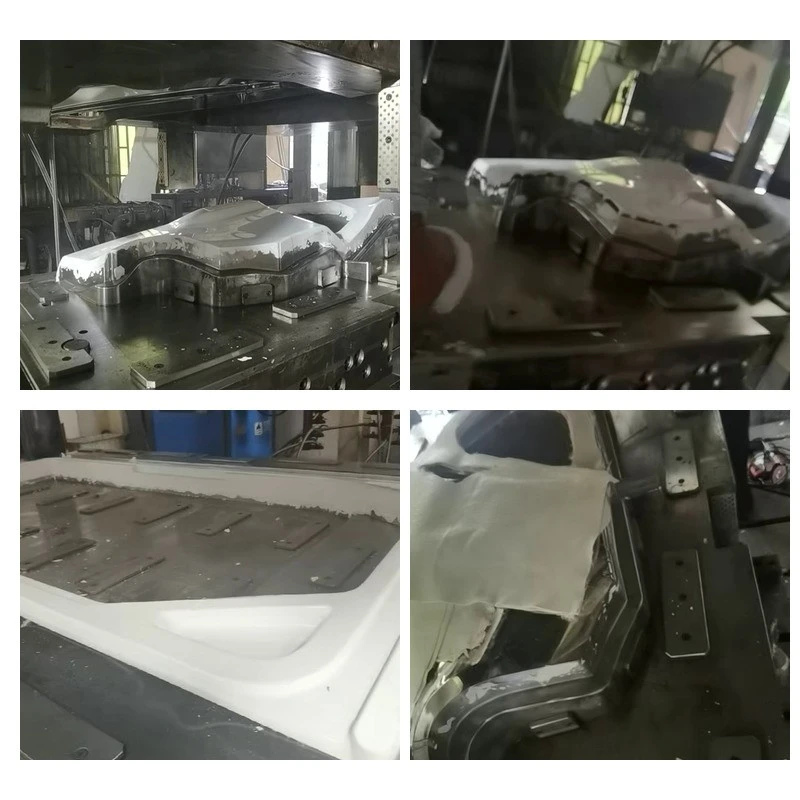
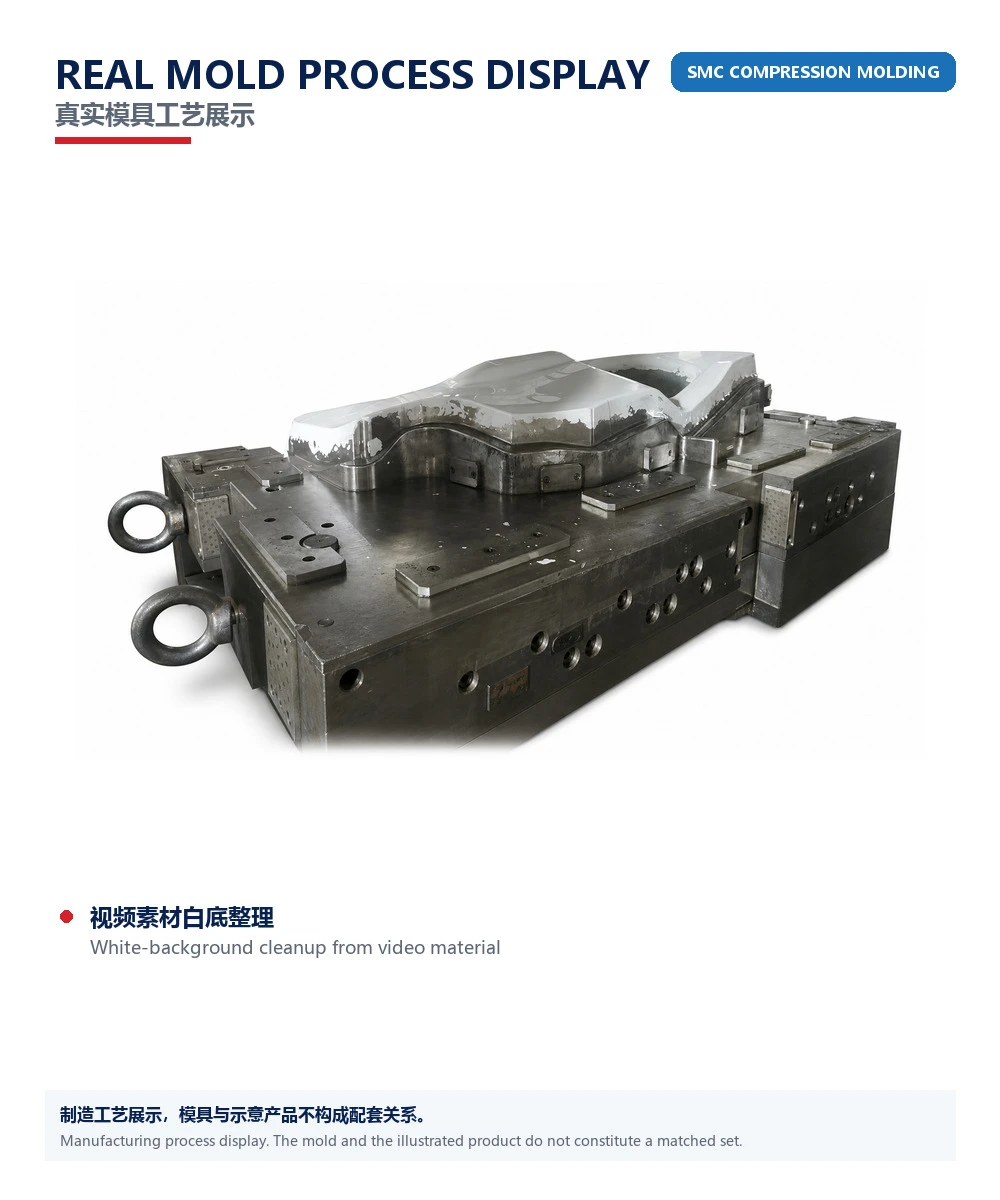
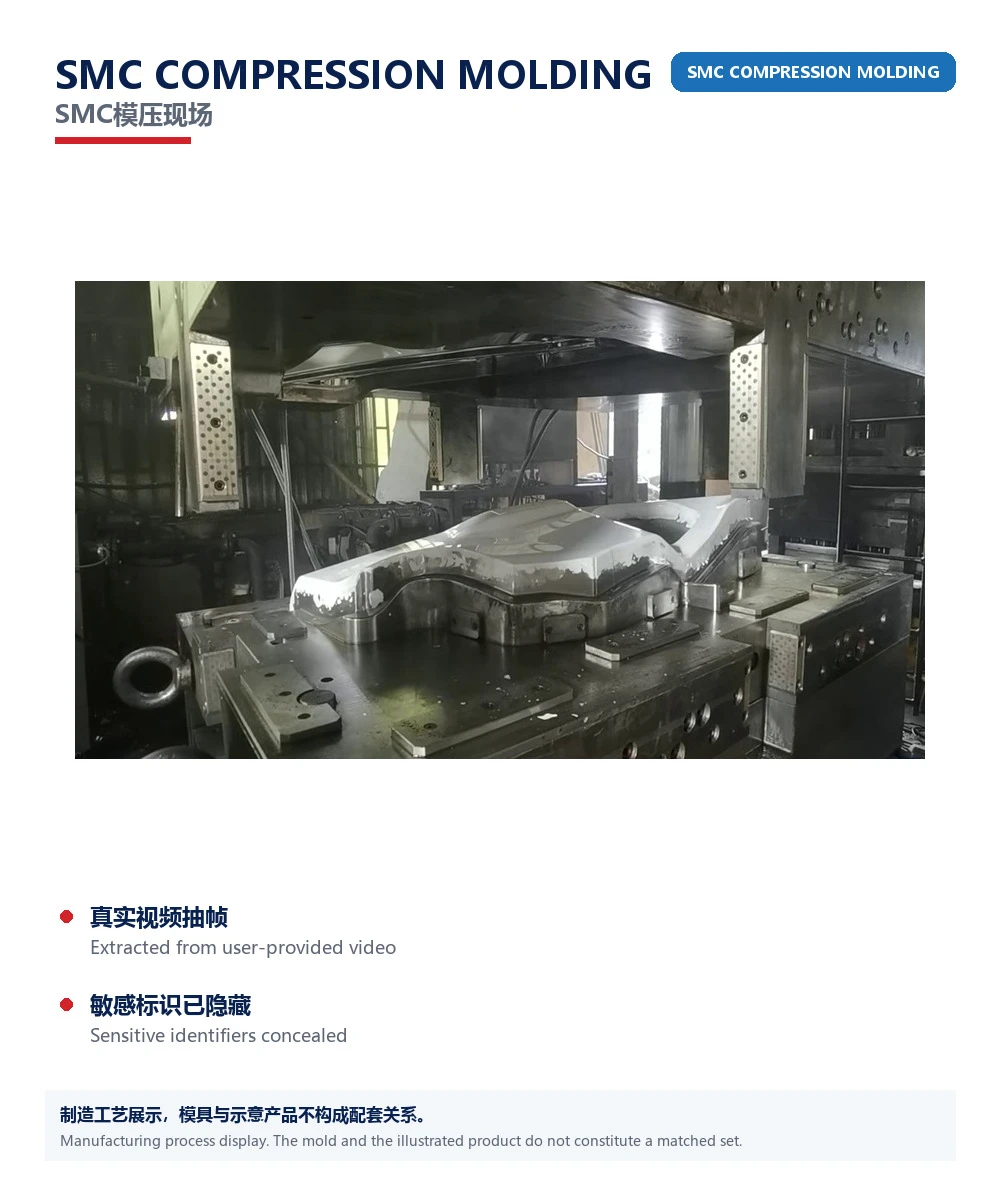
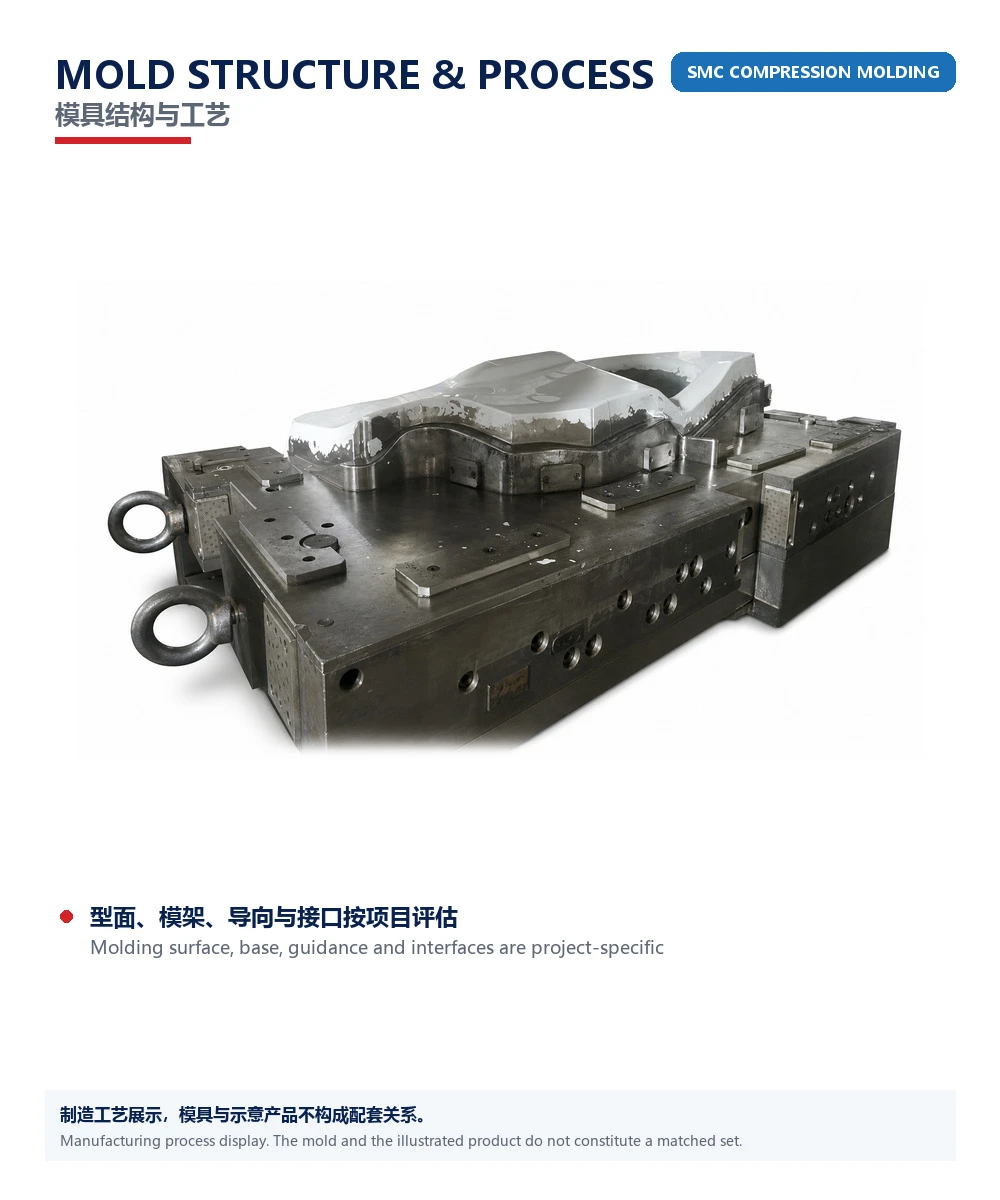
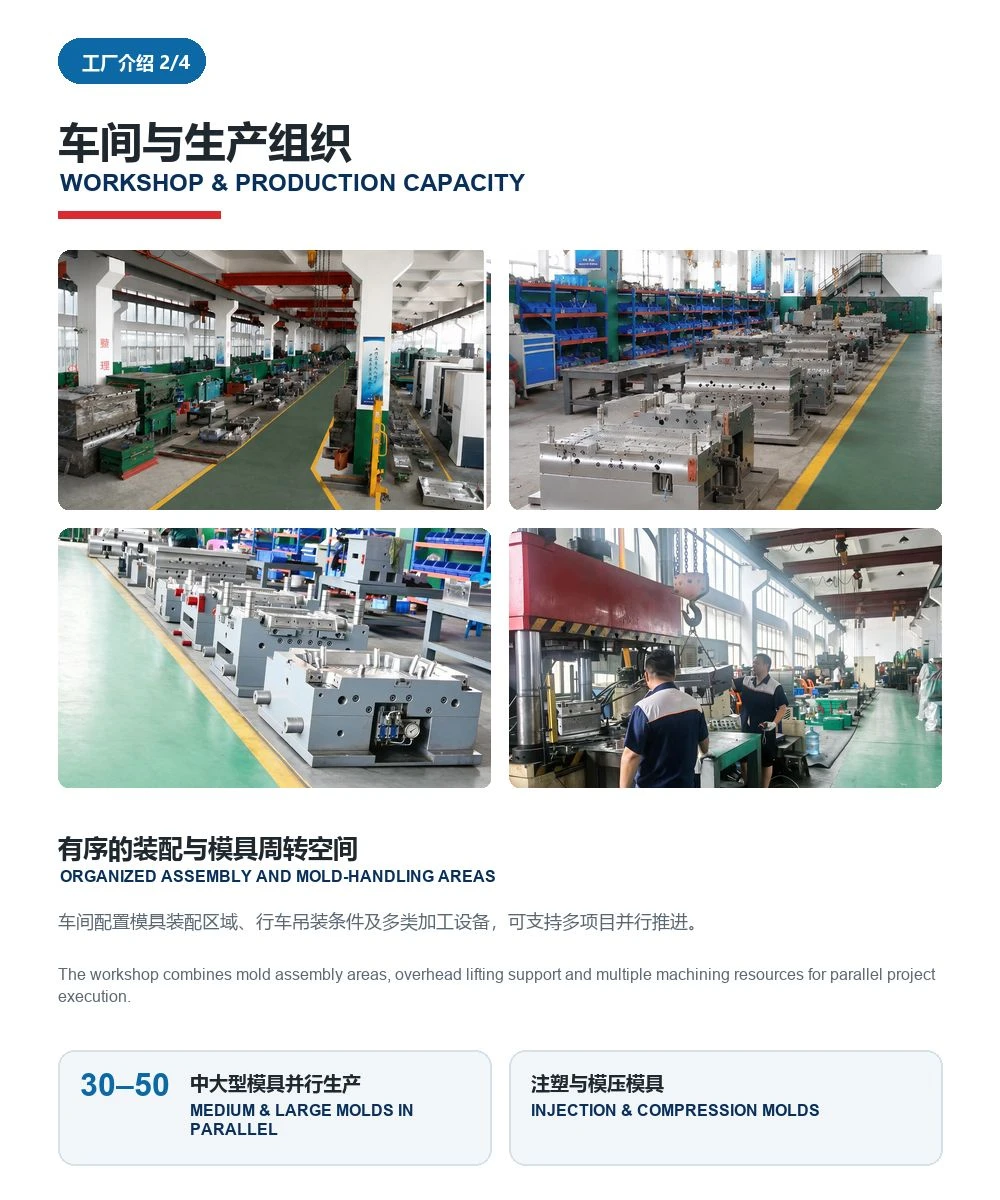
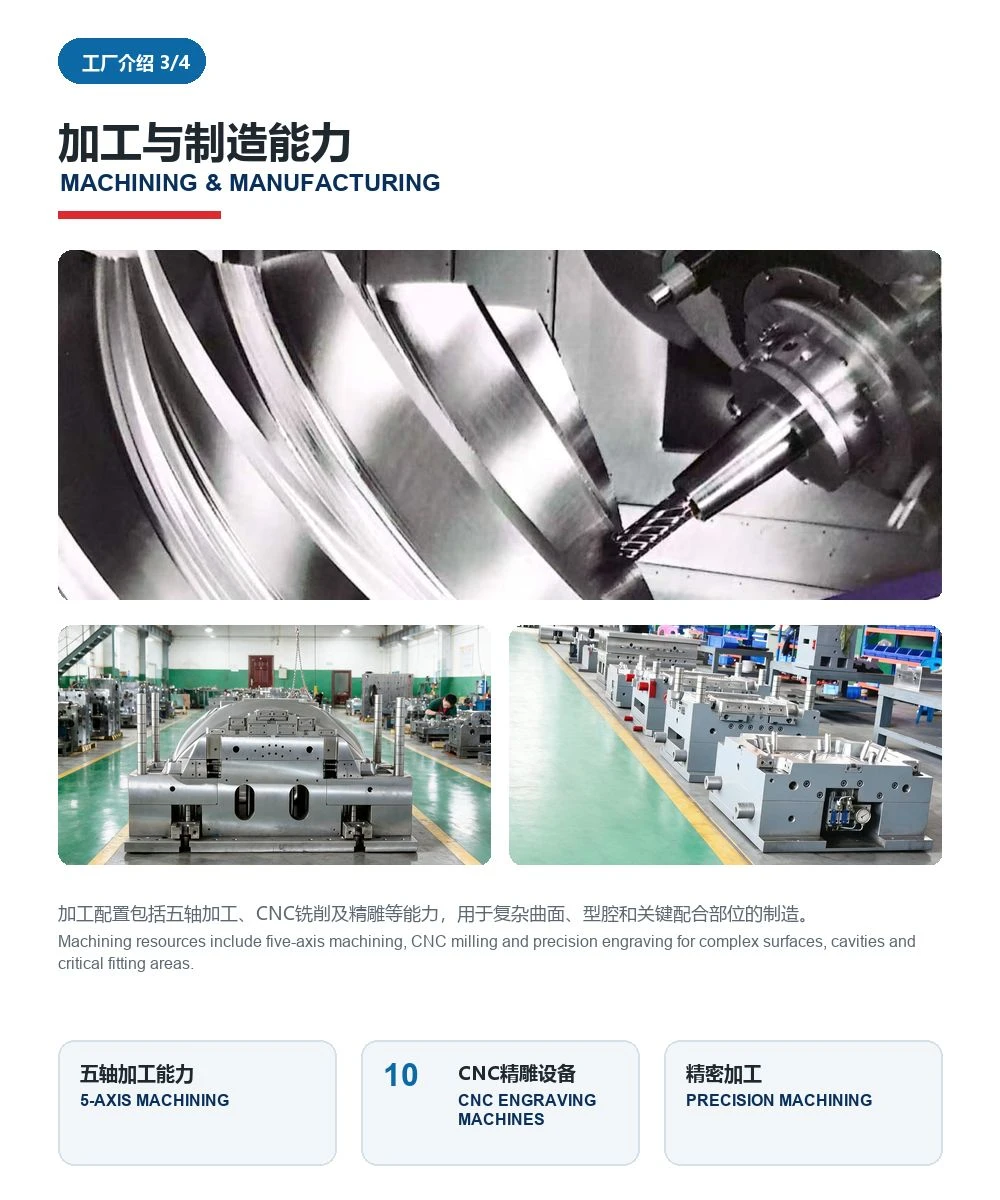
The Underbody Shield Mold manufacturing workflow can include design review, steel preparation, CNC machining, fitting, assembly, heating-system inspection, and mold-trial verification. Estimated lead time is 40-50 days, starting from product design confirmation. Final parting design, heating configuration, equipment matching, trial conditions, and acceptance criteria follow the mutually approved technical documents. This process helps compression molding plants source heated compression molds with clear project control, reliable production planning, and practical maintenance support. The Underbody Shield Mold shown with other real molds is presented as manufacturing-process evidence; the displayed mold and illustrative product do not constitute a matched set.
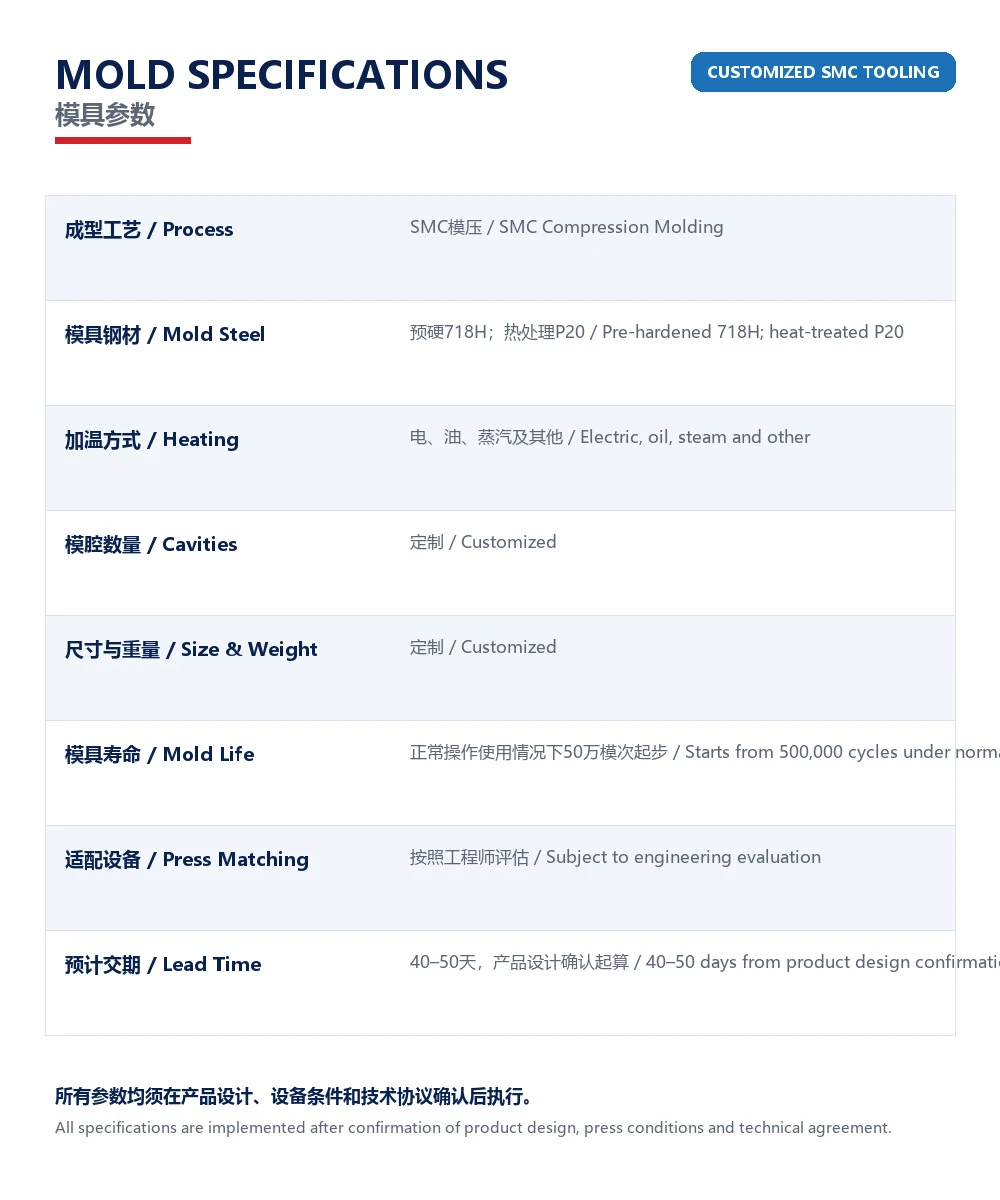
Product Display
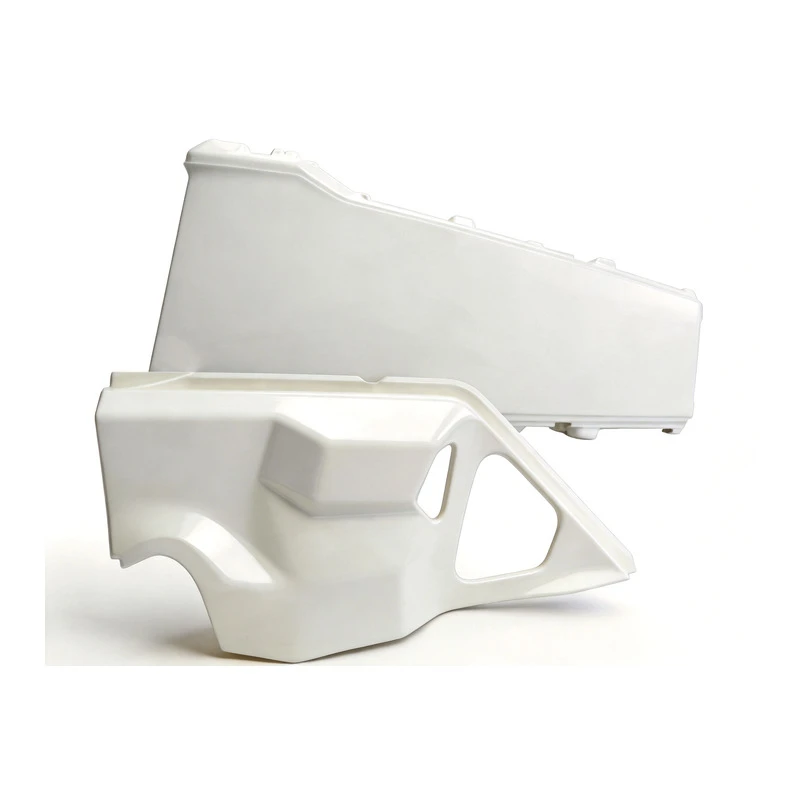
Custom product display. Final design is subject to the customer-approved data.
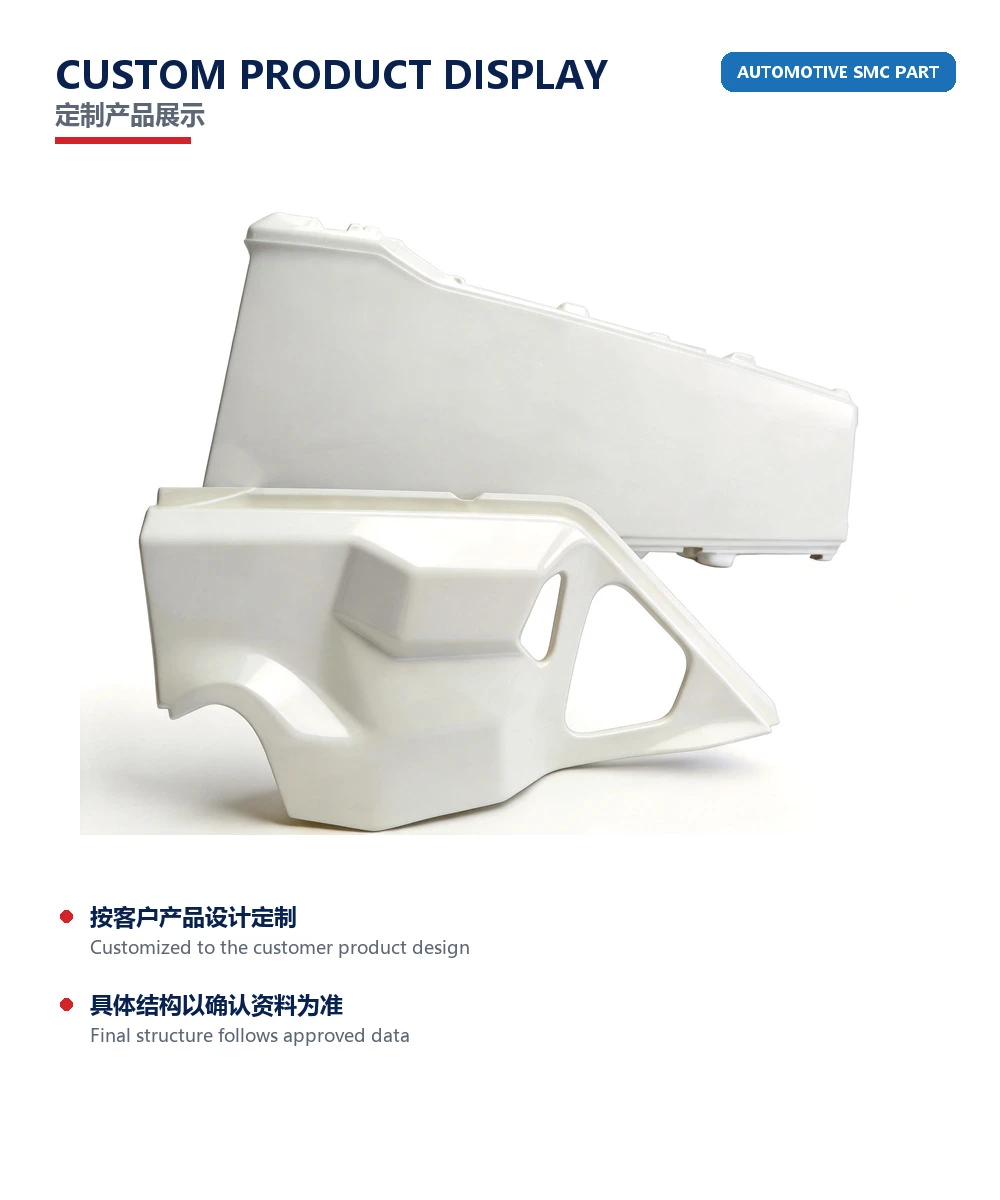
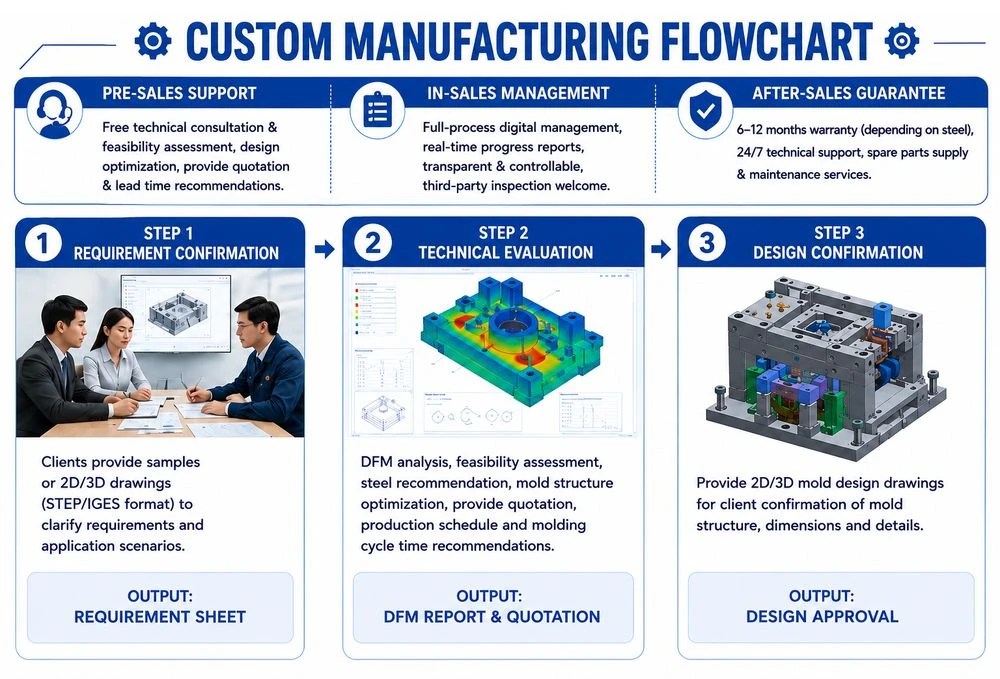
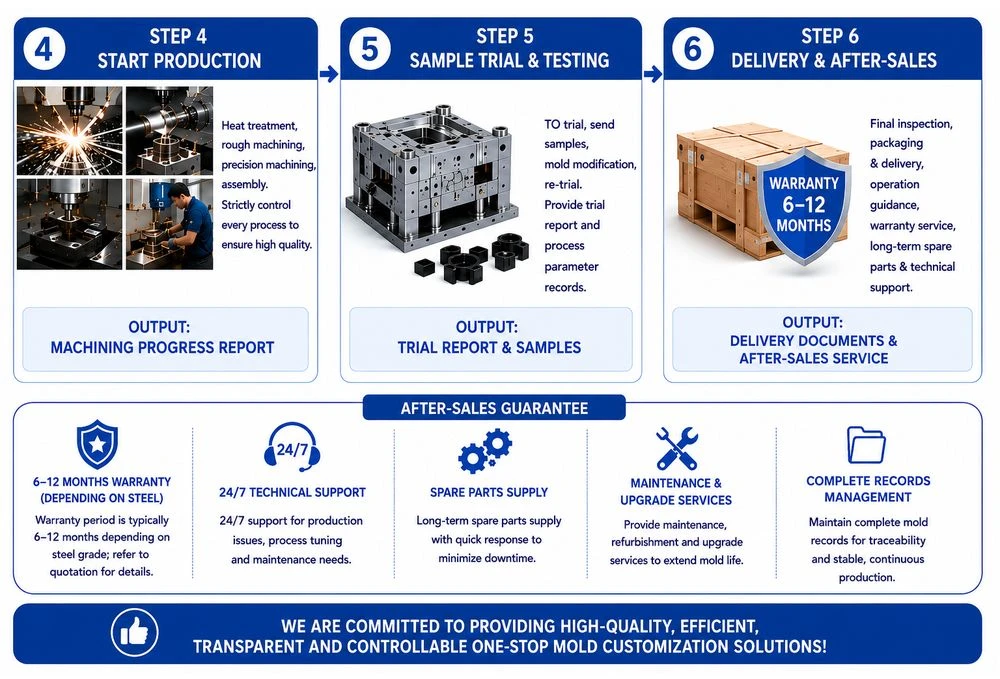
Mold Customization Process
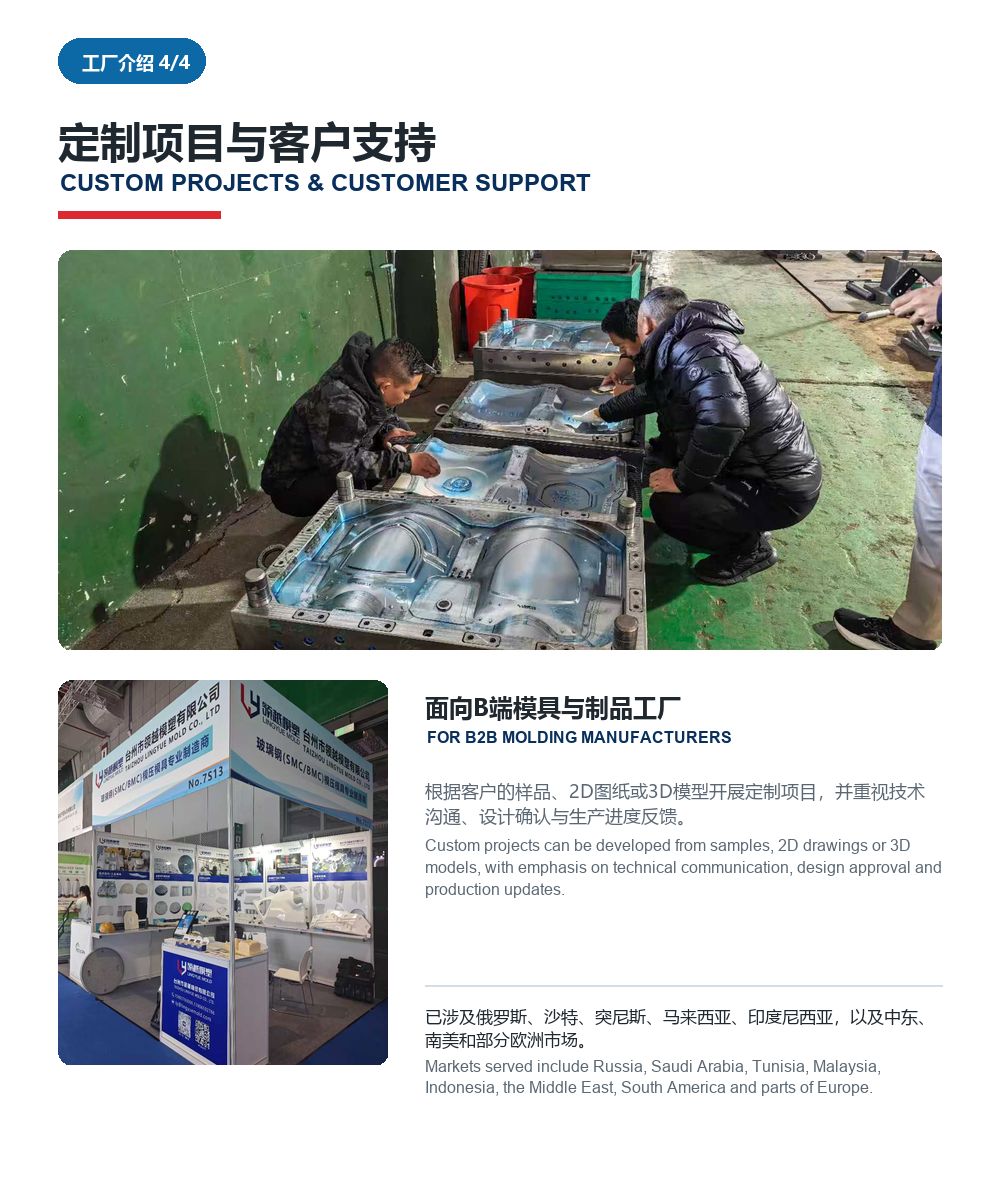
Factory Introduction
Underbody Shield Mold FAQ
Q: What information is required for a quotation?
A: Please provide the Underbody Shield Mold product design, 2D drawings or 3D data, press conditions, project quantity and timing requirements.
Q: Do you support custom, non-standard projects?
A: Yes. Cavities, dimensions, weight, heating method and press interfaces can be customized to approved project conditions.
Q: Can engineering evaluation be completed before ordering?
A: Yes. With complete data, we can evaluate mold structure, heating concept, press matching and major manufacturing risks.
Q: How are mold trials and samples arranged?
A: Trial timing, material preparation, sample quantity and acceptance items are defined in the order or technical documents.
Q: How is the mold accepted?
A: Acceptance follows the mutually approved product design, trial conditions, samples and technical documents.
Q: How is the project formally started?
A: After product and press data are submitted, engineering review, quotation, technical confirmation and product design approval are completed before the formal lead time starts.
Q: How should local short fill on an underbody shield be investigated?
A: Record defect location, charge distribution, heating zones and molding time, focusing on flow and venting near deep features, edges and reinforcement areas.
Q: What should be checked if a large panel warps or does not sit flat?
A: Review mold-temperature uniformity, molding conditions, demolding timing and post-demolding support, and retain measurement data.
Q: How should cracks near ribs or mounting areas be handled?
A: Stop continuous production and record crack location and direction, then analyze product geometry, material flow, demolding load and process records.
Q: What can increasing flash around the shield edge indicate?
A: Check parting-surface cleanliness, mold closing, press condition and local wear. Do not rely only on increasing pressure.
Q: How should slow heating in a heating circuit be investigated?
A: Check settings, heating elements or medium supply, connections, sensors and zone records. Electrical or piping work should be handled by qualified personnel.
Q: What should be done if a large part experiences excessive local force during demolding?
A: Stop and inspect the ejection or release sequence, part support, local undercuts and molding surfaces. Avoid forced demolding that could cause damage.
Hot Tags: underbody shield mold, China underbody shield mold manufacturers, suppliers, factory


