


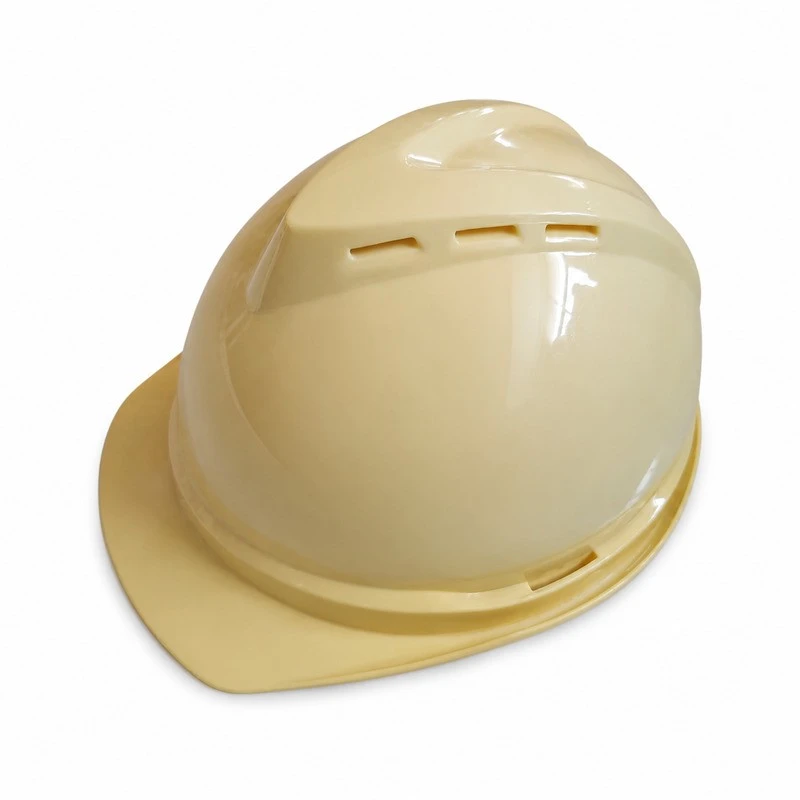
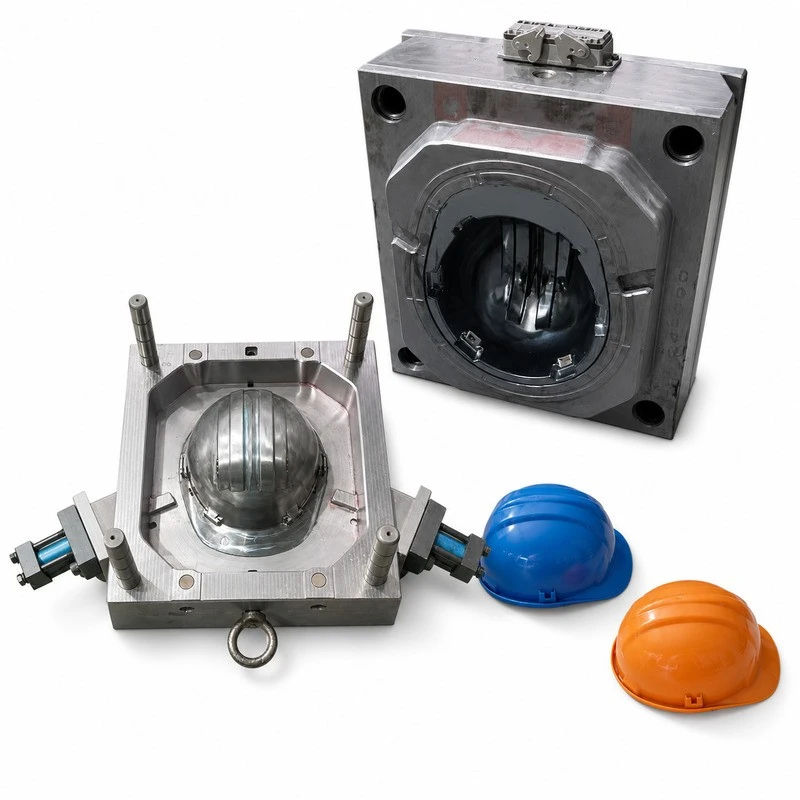
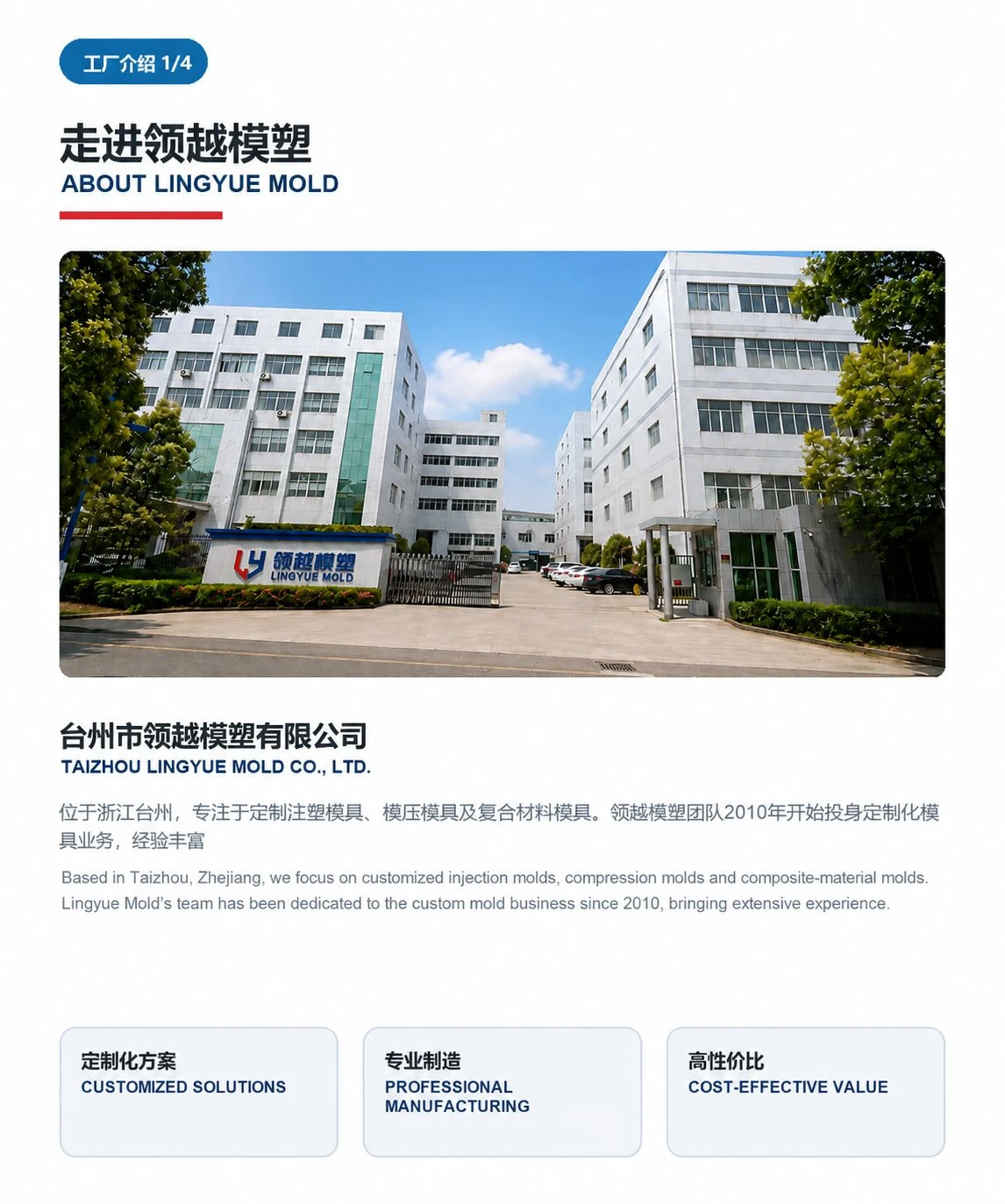
Taizhou Lingyue Mold and Plastic Co., Ltd. is one of the most reliable manufacturers and suppliers of safety helmet mold in China. With abundant experience, we are committed to providing high quality customized products with low price. We are warmly welcome you to buy advanced safety helmet mold made in China here from our factory. If you have any enquiry about quotation, please feel free to email us.
Product Details
Custom Safety Helmet Injection Mold
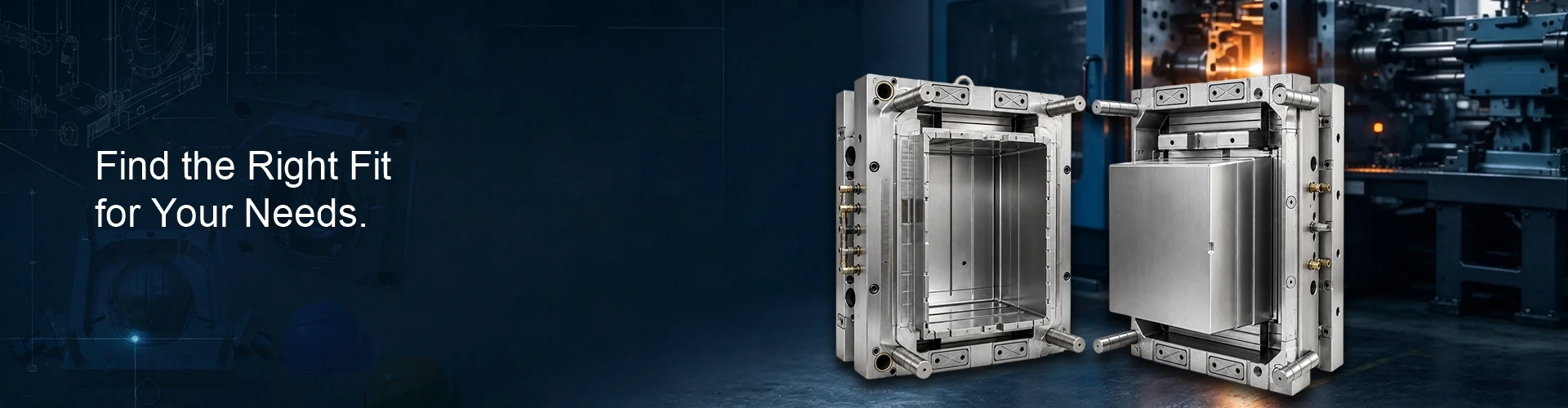
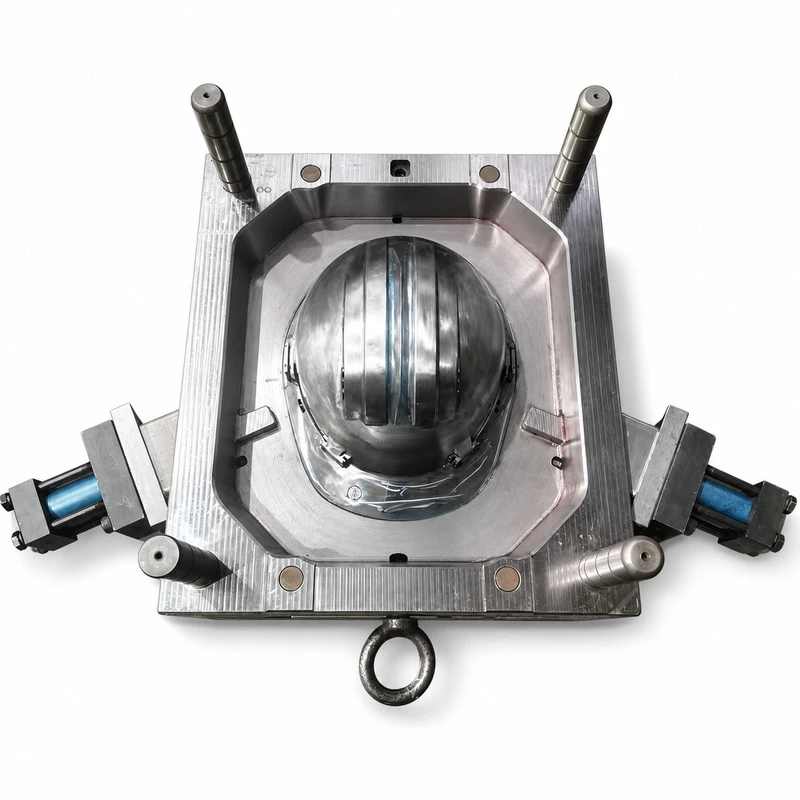
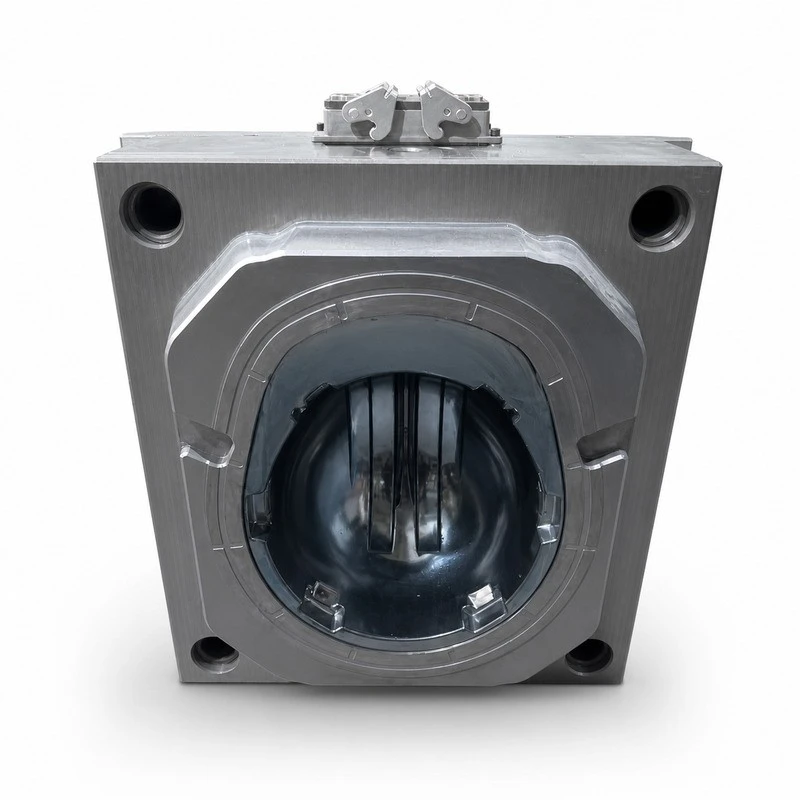
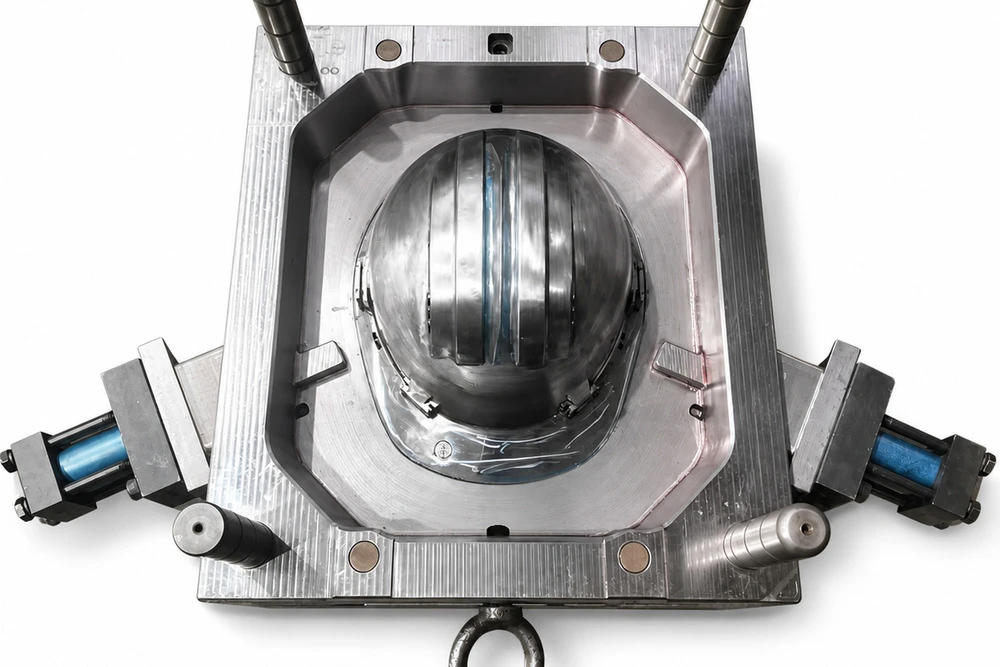
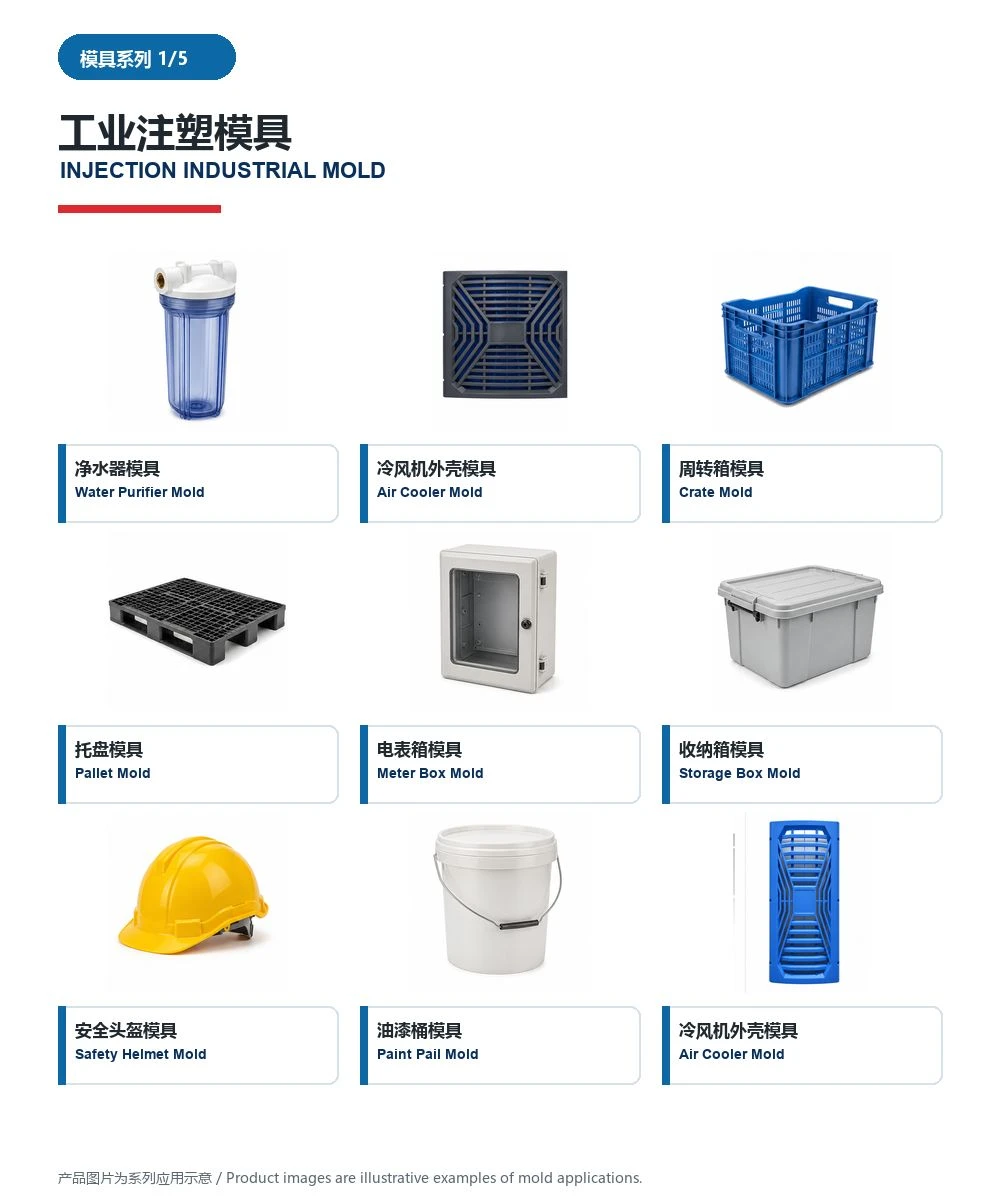
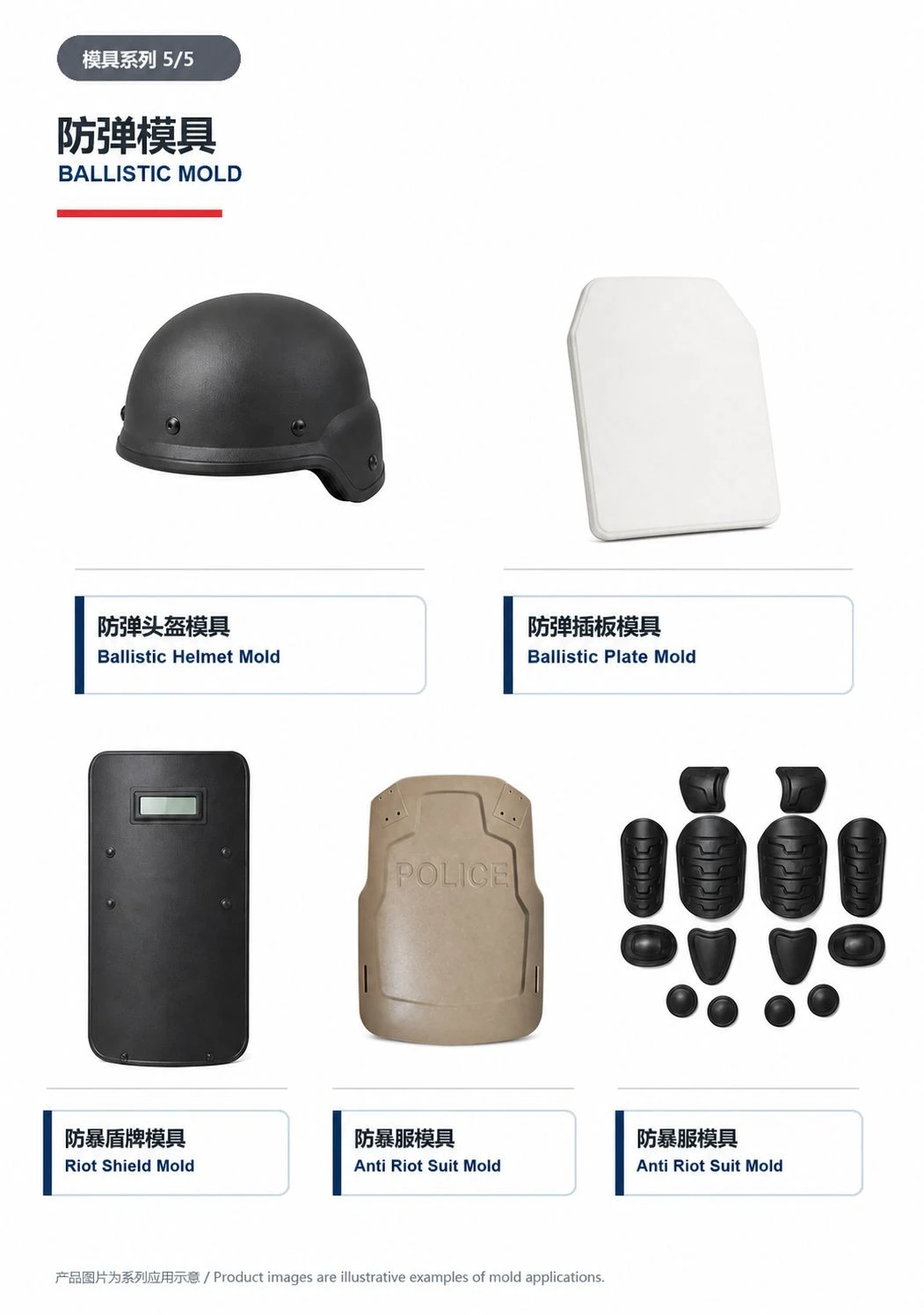
A Safety Helmet Mold is used to manufacture helmet shells and related plastic components for construction, industrial manufacturing, utility maintenance and logistics applications. Shell geometry, brim profile, reinforcing ribs, ventilation features and accessory interfaces can be developed from customer drawings or samples.
The mold can be engineered for ABS, HDPE and other plastics confirmed for the project. Material shrinkage, wall thickness, surface requirements and molding stability are considered when defining parting, gating, venting, cooling and ejection. Fixed processing data is not assigned before the resin and machine are confirmed.
Cavity quantity is customized to the target output, part size and available equipment. Cold-runner or hot-runner configurations and gate locations are evaluated against the product and injection machine to support balanced filling while controlling material use and cycle time.
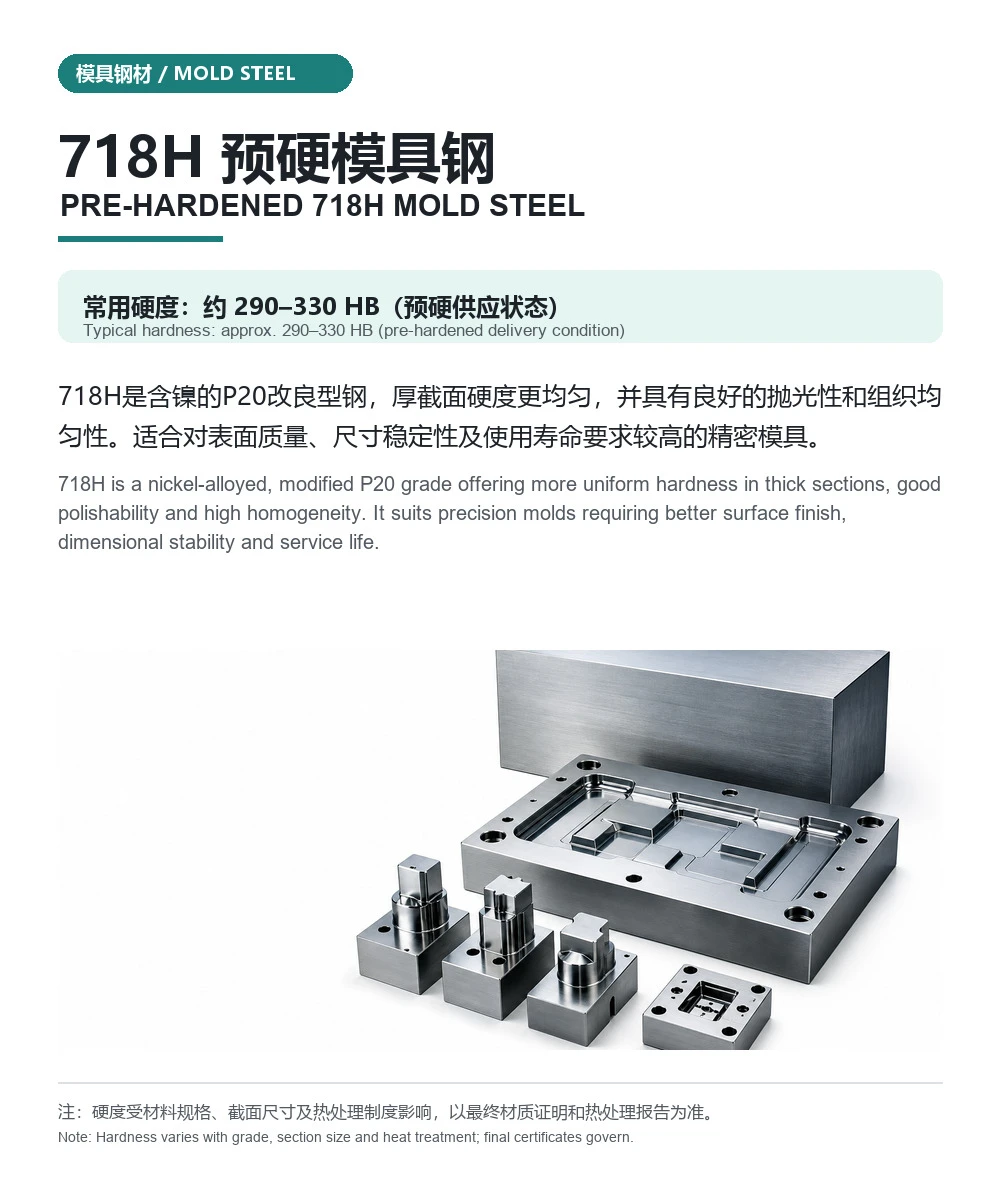
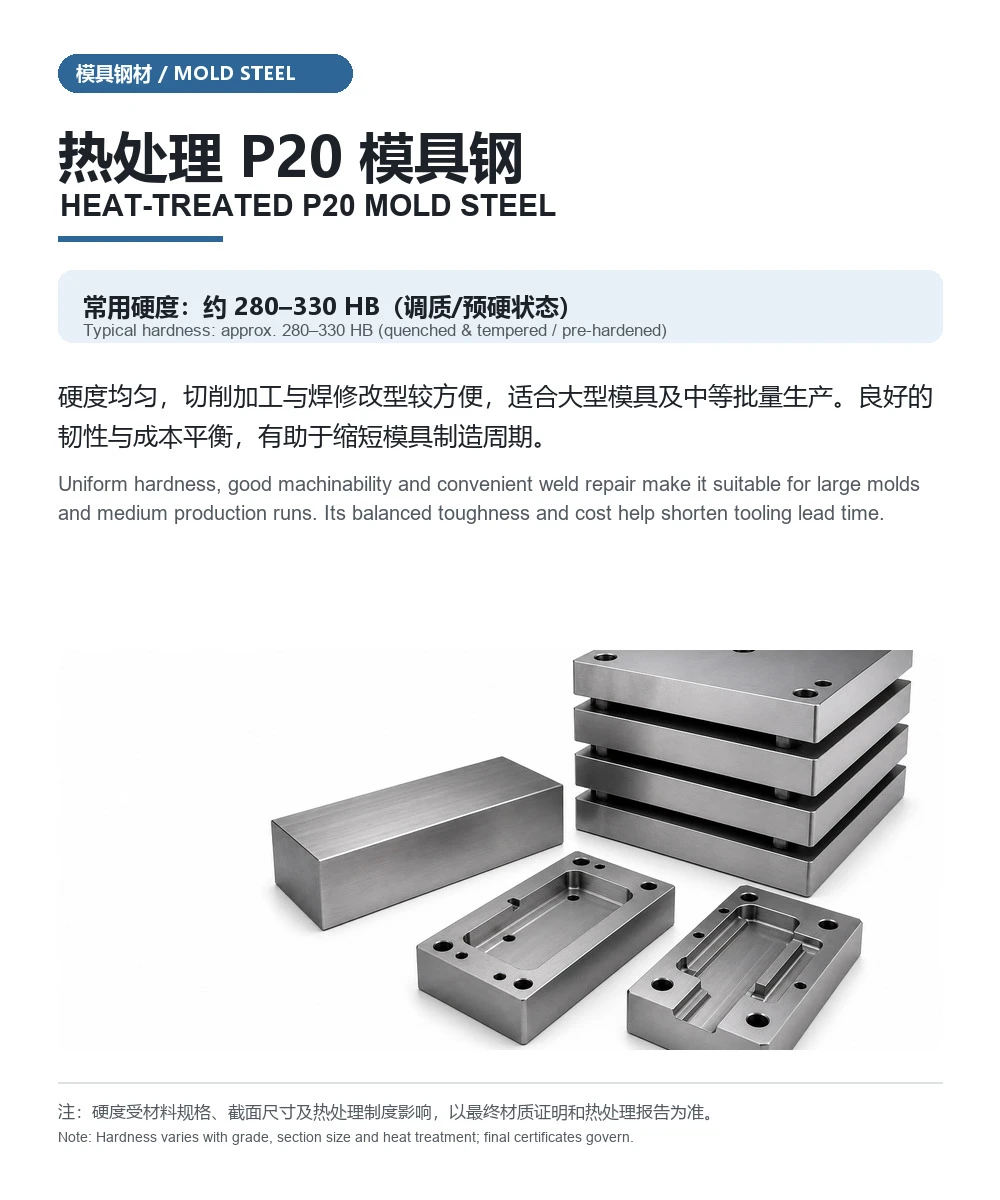
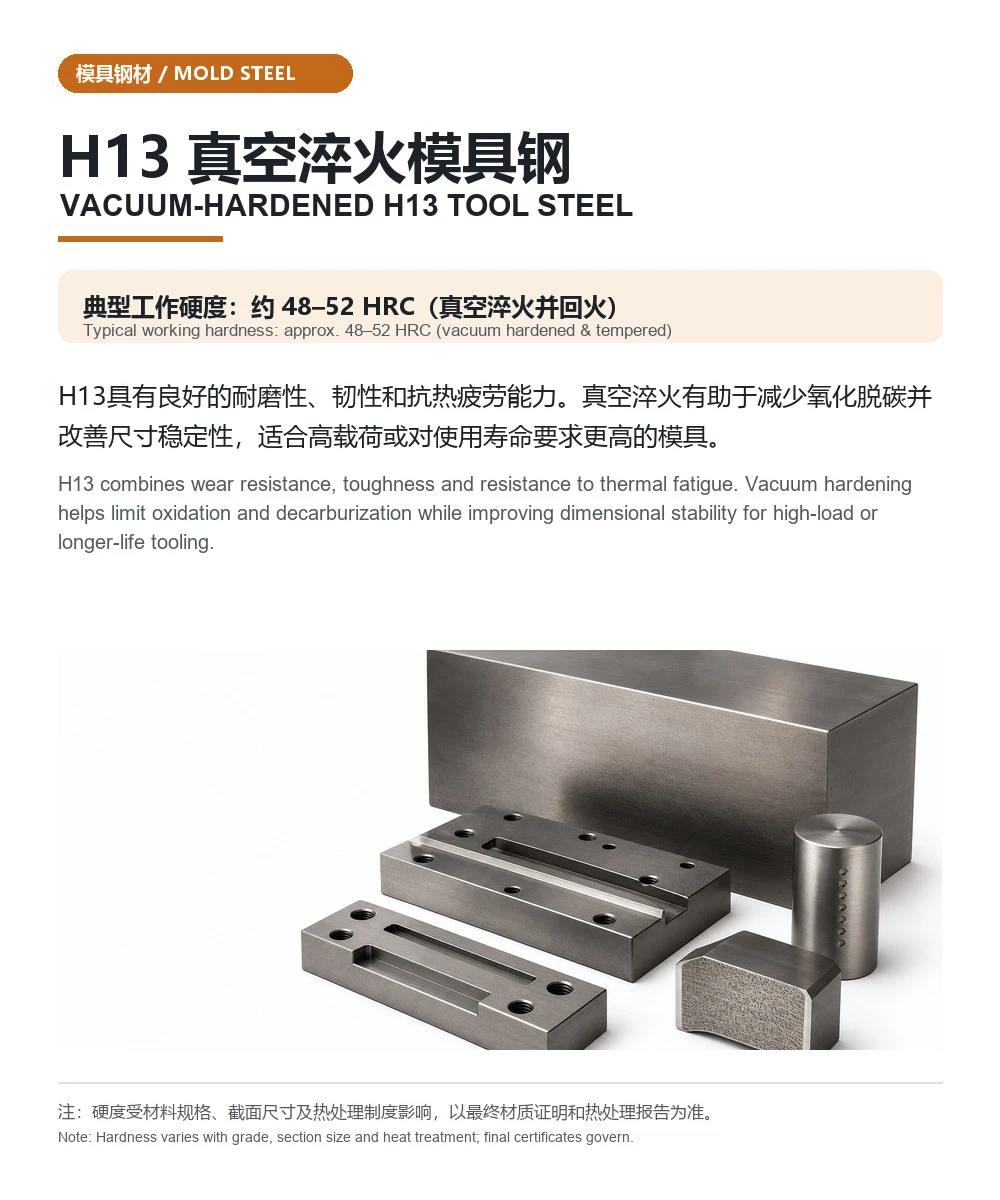
Available tool steels include P20, 718H, H13 and other suitable grades. Final steel and heat treatment depend on production volume, resin characteristics, surface finish, tool structure, budget and required life, and are governed by the approved steel list and technical documents.
Cooling circuits and ejection or demolding systems are designed around product geometry and the target cycle. Deep shells, ribs, ventilation openings and attachment features are reviewed for deformation, sticking, ejection marks and dimensional stability.
Overall mold size, weight, locating system and connections must match the customer's injection machine. Clamping force, shot capacity, tie-bar spacing, platen dimensions, mold thickness and opening stroke are reviewed before an equipment recommendation is issued.
With correct operation, scheduled maintenance and the approved material and process conditions, the target mold life can exceed 500,000 cycles. Typical lead time is 40–60 days, subject to design approval, tool complexity, component sourcing, mold trials and sample confirmation.
Application Scenarios
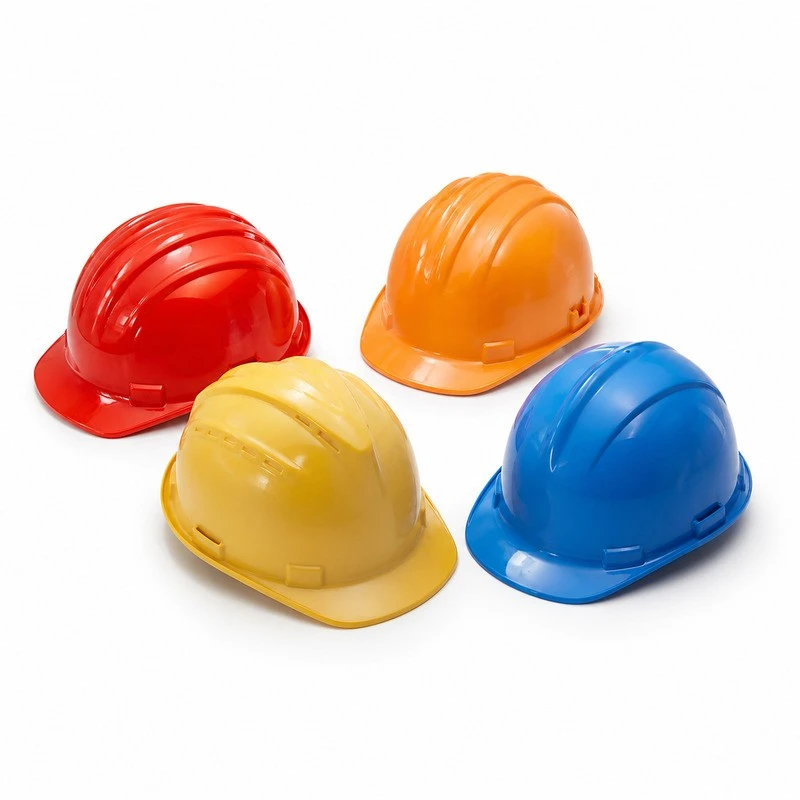
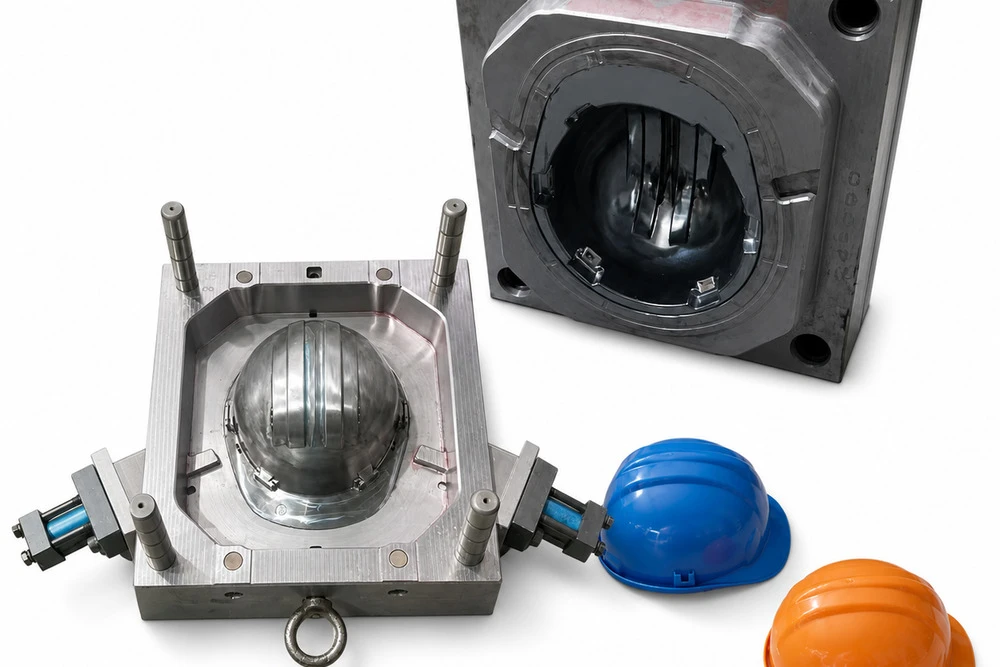
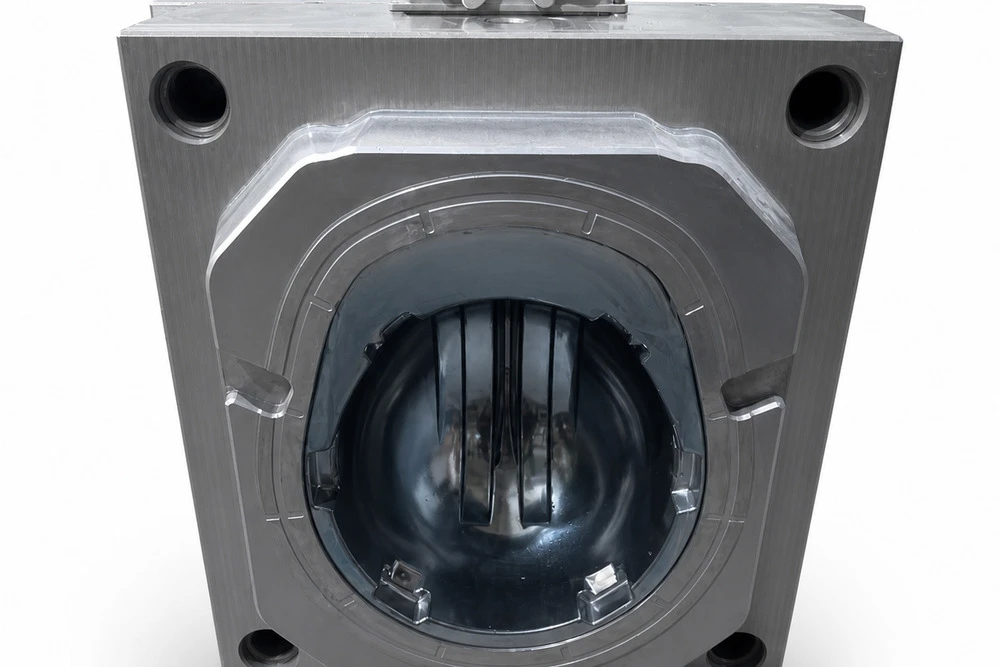
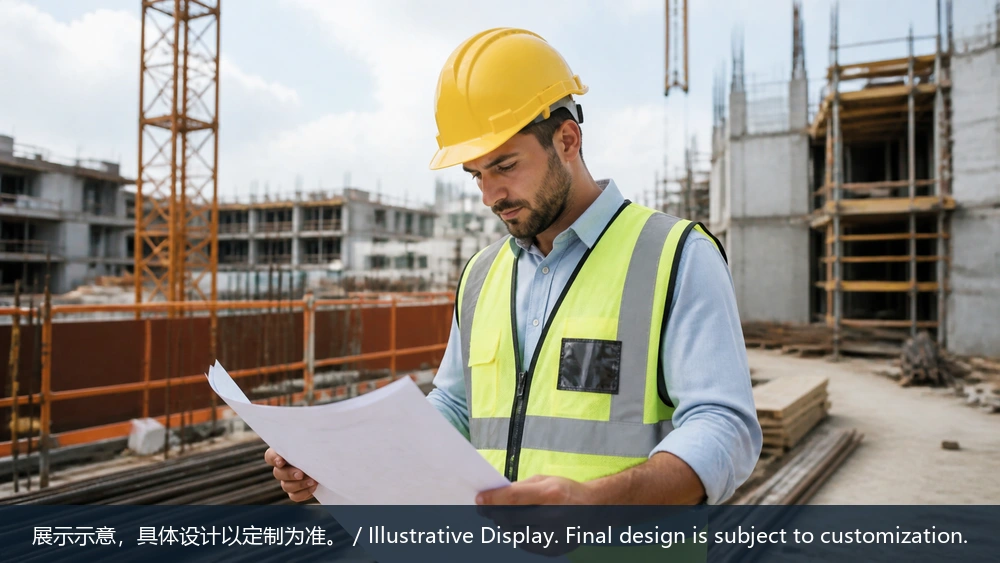
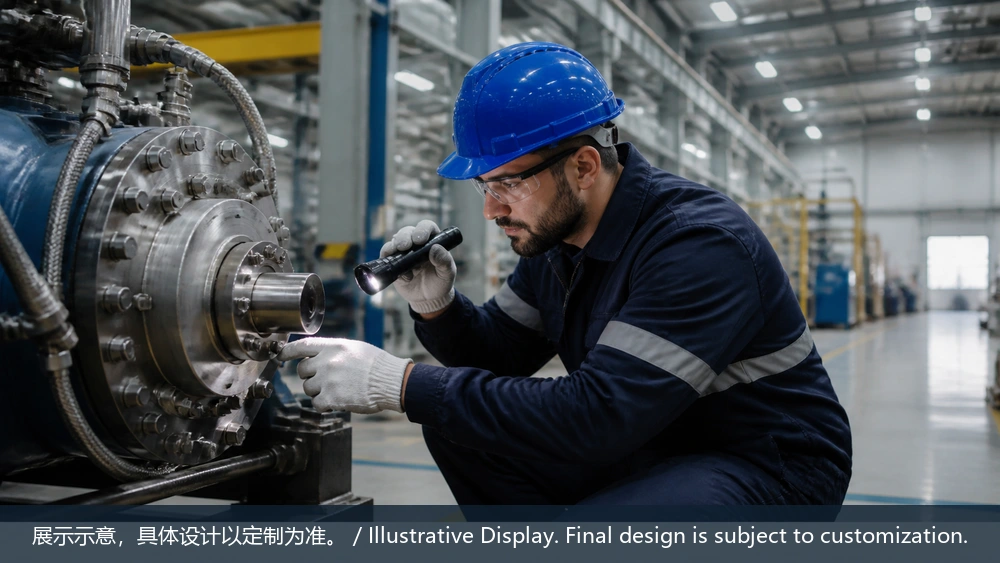
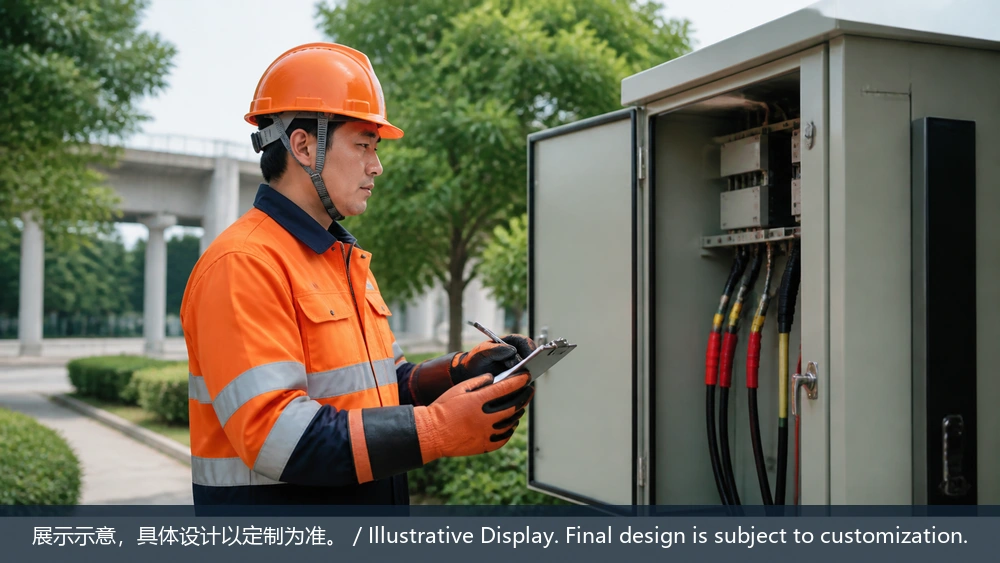
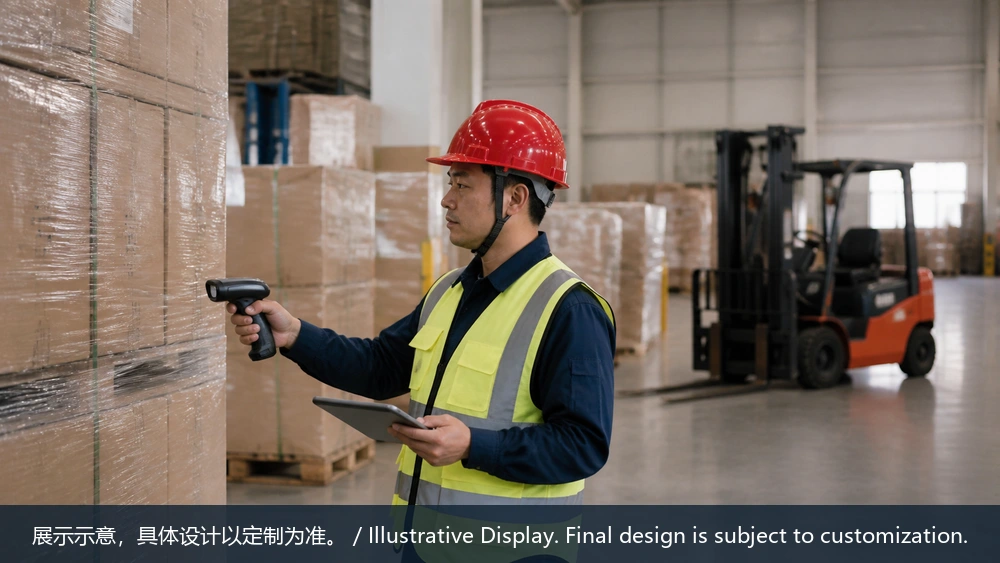
Safety Helmet Molds can produce industrial helmet shells and related plastic components for construction, manufacturing, utility and municipal maintenance, warehousing and logistics. Helmet profiles, colors, ventilation features and accessory interfaces can be customized to drawings, samples and market requirements.
Application images show helmets in practical working use for general reference only. They do not represent a real customer, project or fixed product configuration.
Illustrative Display. Final design is subject to customization.
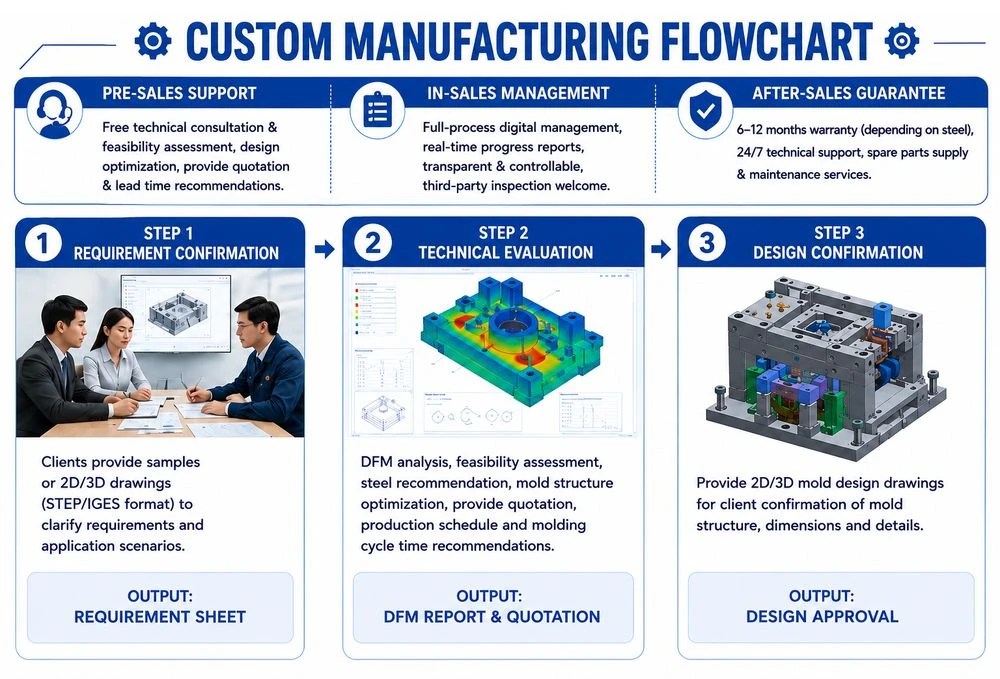
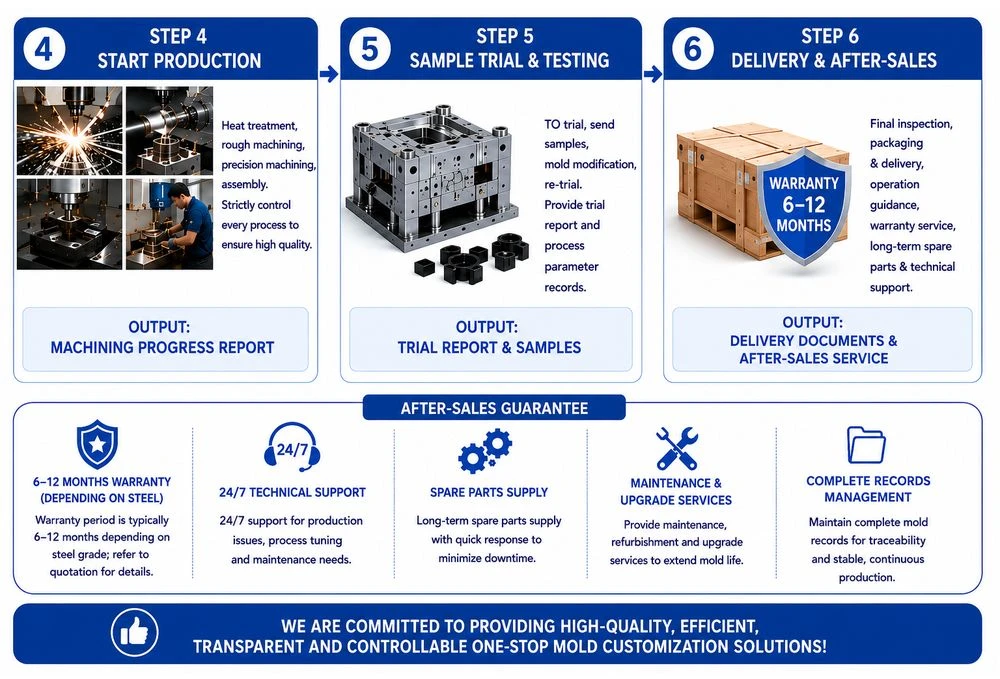
Mold Customization Process
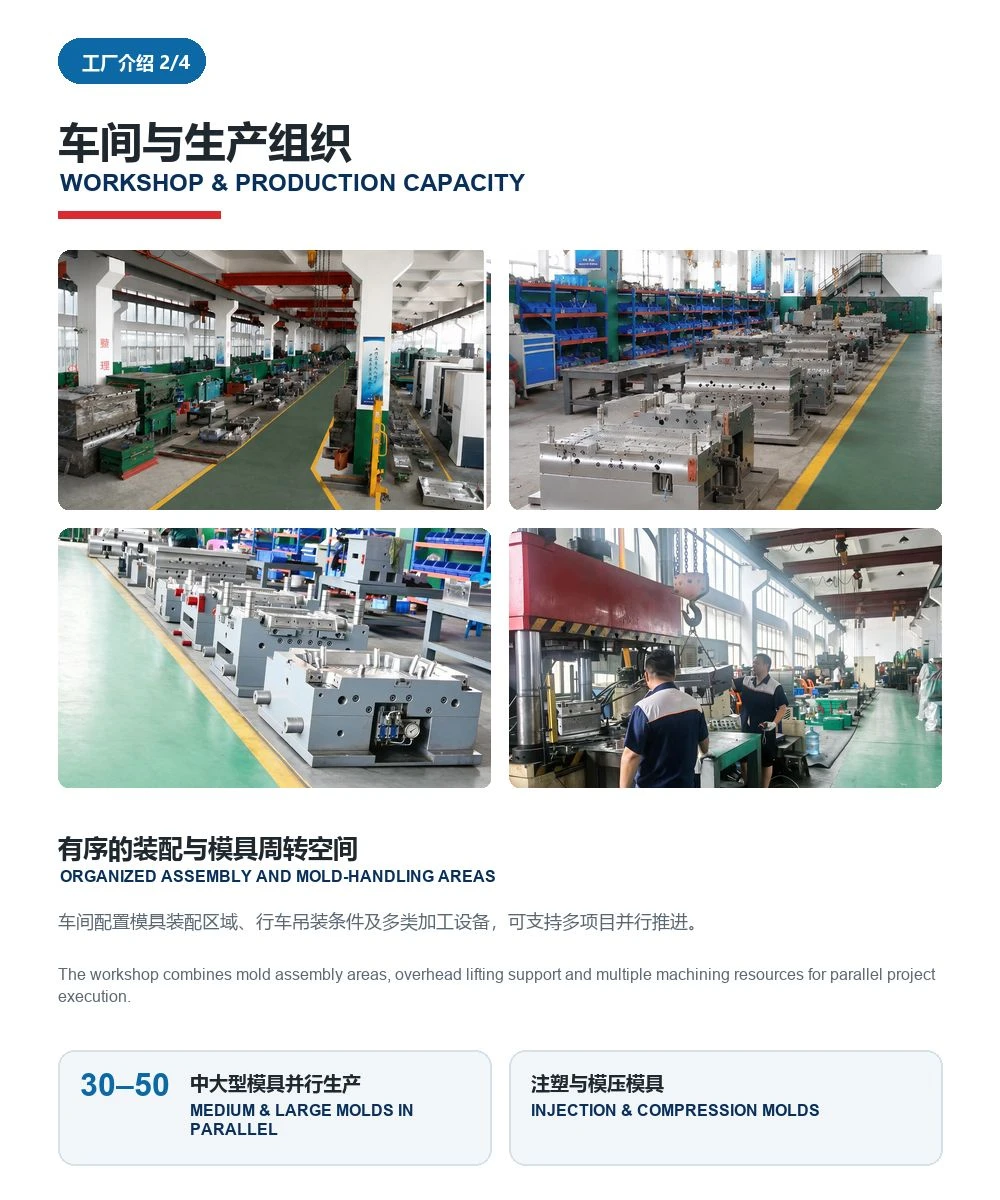
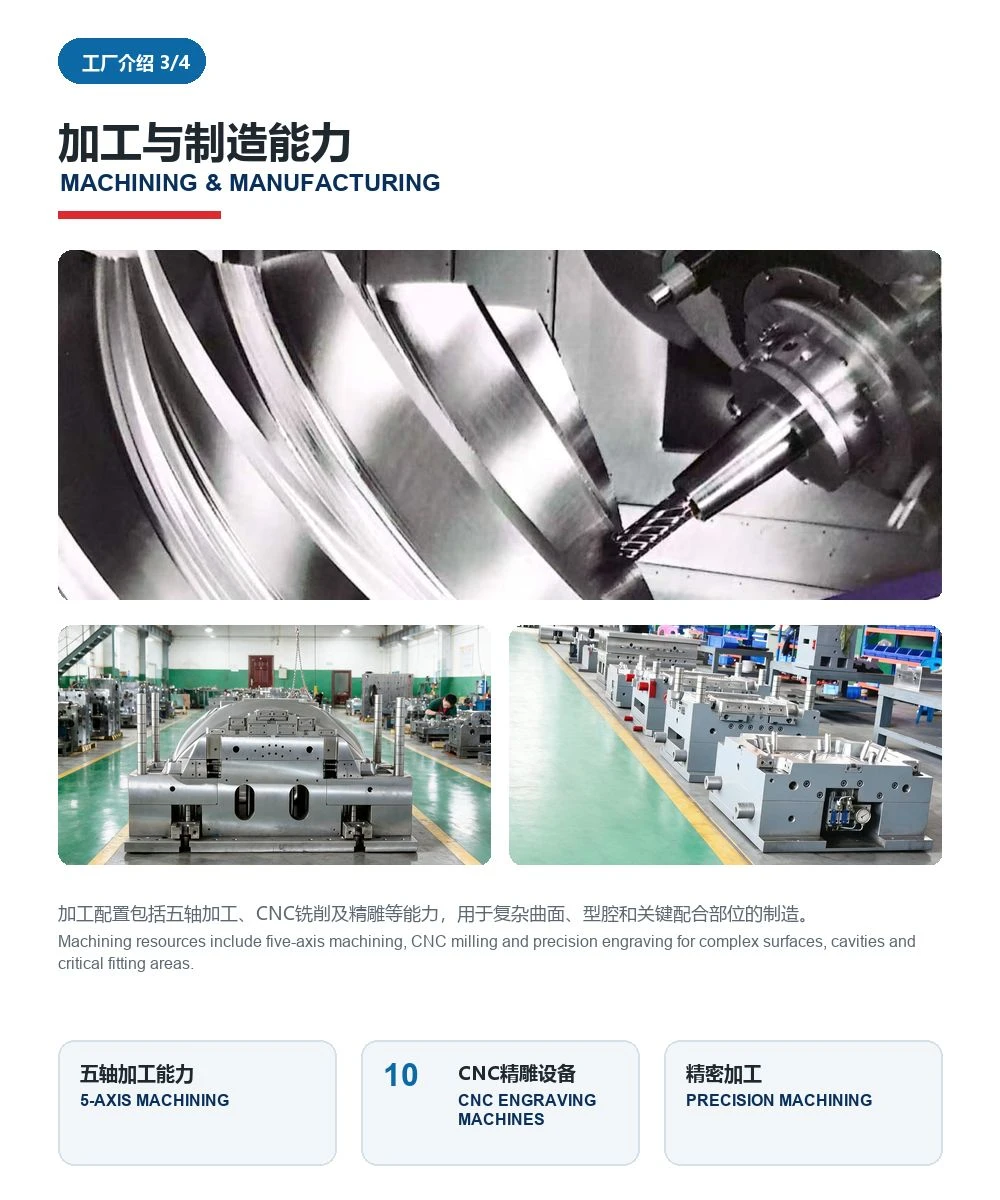
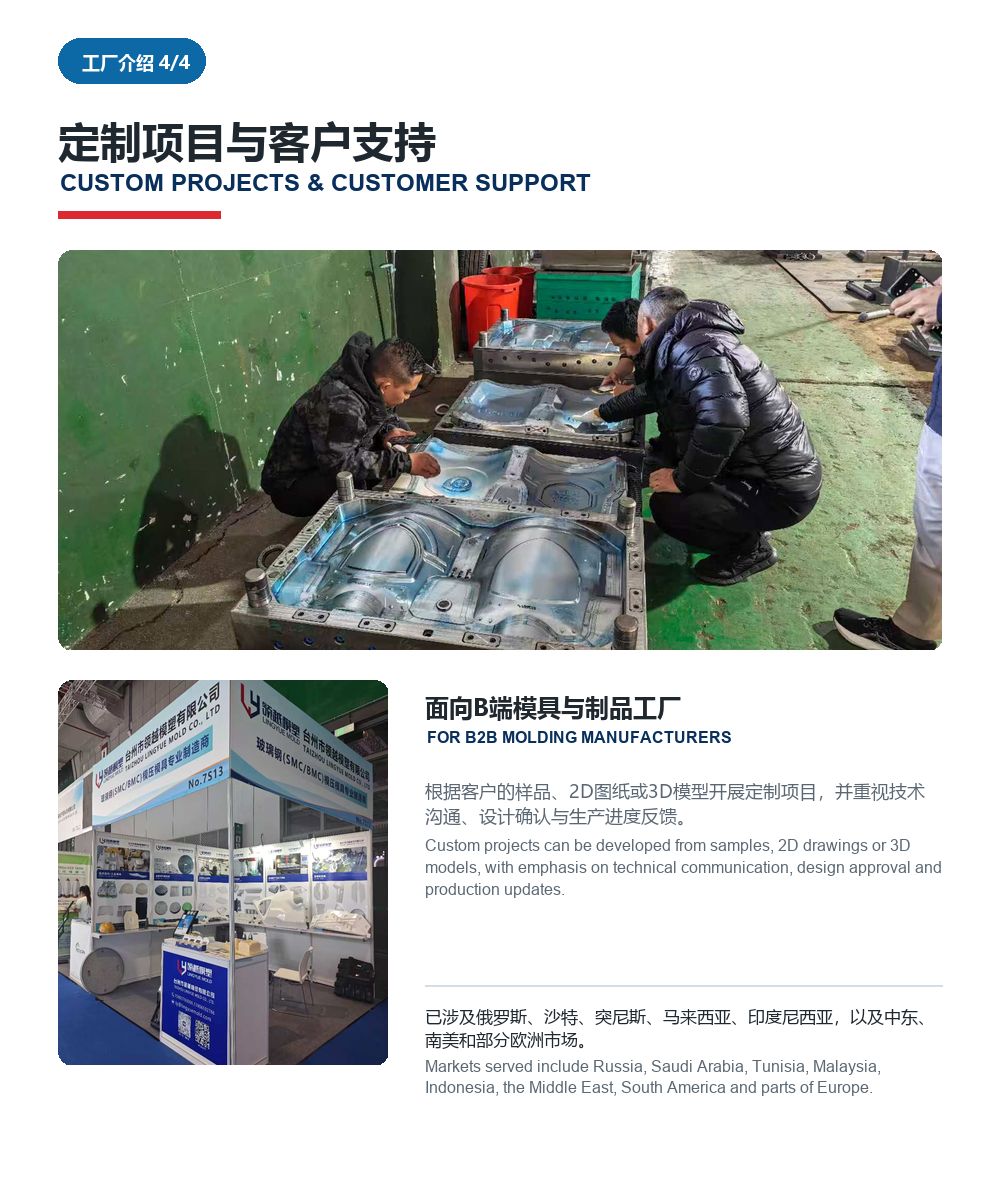
Factory Introduction
SAFETY HELMET MOLD FAQ
Q: What can a Safety Helmet Mold produce?
A: It can produce industrial safety helmet shells and related plastic components. Profile, size, ventilation, brim and attachment interfaces are customized to drawings, samples or 3D models.
Q: Which plastics can be used?
A: Common materials include ABS and HDPE; other plastics can be evaluated. The final solution depends on resin grade, shrinkage, product requirements and equipment.
Q: How is cavity quantity determined?
A: It is determined by part size, target output, machine capacity, cycle and budget. No fixed cavity count is assigned before evaluation.
Q: How is the injection machine matched?
A: Engineers review clamping force, shot capacity, tie-bar spacing, platen size, mold thickness, opening and ejection stroke before recommending a match.
Q: Can you develop from a physical sample?
A: Yes. Engineers can measure and review a sample, while critical dimensions, material and functional requirements still require customer confirmation.
Q: How is uneven filling addressed?
A: Review gate position, runner balance, wall thickness, venting, resin and machine settings. Fixed temperature or pressure is not given without resin and trial data.
Q: How is helmet-shell deformation controlled?
A: It is controlled through balanced wall thickness, gating, cooling, packing and ejection, then verified by trials.
Q: Why is venting important?
A: Poor venting in a deep shell may cause burn marks, short shots or weld issues. Vent locations and dimensions are optimized against resin, flow path and trials.
Q: What matters during ejection?
A: Local ejection force must not cause whitening, deformation or cracking. Ejection, draft and cooling time are selected for the product geometry.
Q: How should the mold be maintained?
A: Clean the cavity, inspect guidance and ejection, maintain rust protection and lubrication, and check cooling, gates and wear parts on a schedule suited to resin and use.
Q: How are dimensional variations investigated?
A: First check resin batch, drying, temperature, pressure, packing, cooling and machine stability, then inspect mold temperature, circuits, venting and wear.
Hot Tags: safety helmet mold, China safety helmet mold manufacturers, suppliers, factory


