


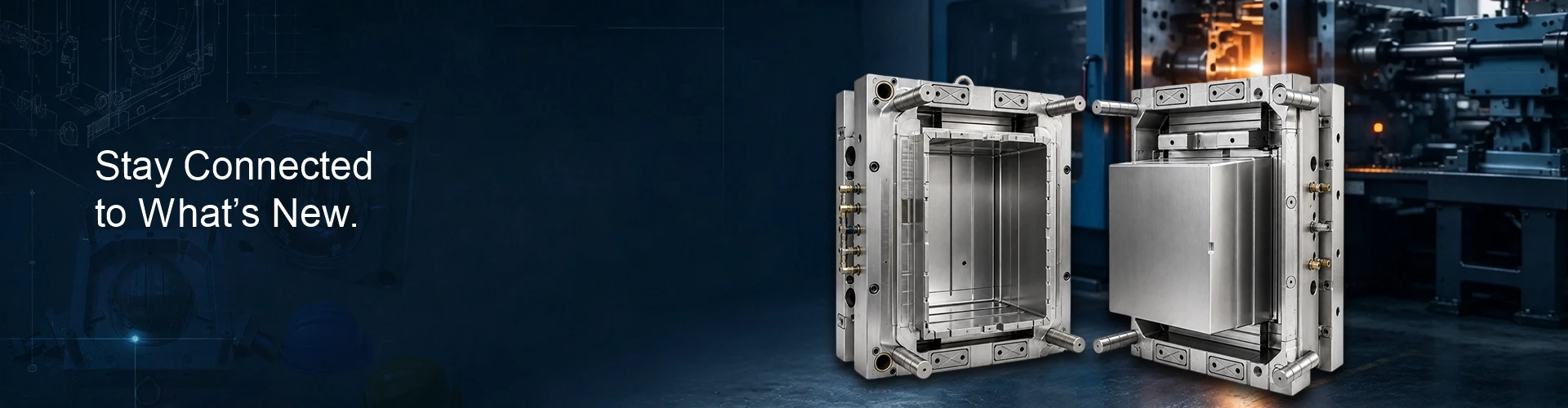
Injection molds are indispensable tools in the plastic injection molding process; they not only determine the shape and dimensions of plastic products but also directly influence product quality.
1. Gating System: This system acts as the "transportation network" for the flow of molten plastic into the mold cavity. Comprising components such as the sprue, runners, and gates, its primary task is to convey molten plastic evenly and efficiently to every corner of the mold.
2. Guiding System: If the gating system represents the "blood vessels" of the injection mold, the guiding system serves as the "skeleton." It ensures precise alignment between the moving half and the stationary half of the mold during closure. Key components include guide pins and guide bushings, which guarantee the stability and accuracy of mold movement.
3. Molding System: The molding system is the core of the injection mold, directly determining the shape, dimensions, and surface quality of the plastic product. It primarily consists of the cavity (female mold), the core (male mold), and other inserts. These components work together on the plastic material to impart the desired geometric form to the product.
4. Mold Temperature Control System: Controlling the mold temperature is crucial during the injection molding process. Through heating or cooling channels, this system maintains the mold within the optimal temperature range, thereby ensuring product quality and production efficiency.
5. Ejection System: Once the plastic part is molded, it must be removed from the mold; this is the function of the ejection system. Common ejection mechanisms include ejector pins and ejector plates, which are responsible for safely and smoothly separating the finished product from the mold.
6. Venting System: During injection molding, air and gases trapped within the mold cavity must be effectively expelled; otherwise, the molding quality of the product will be compromised. The venting system typically incorporates tiny vent channels at the parting line or at the interfaces of mold inserts to ensure the smooth escape of gases.
7. Cooling System: Cooling channels are vital components of the mold, primarily used to regulate the mold temperature to facilitate the rapid solidification of the plastic and enhance molding efficiency. The design of these cooling channels plays a critical role in shortening the molding cycle and improving product quality. 8. Fixing and support structures: To ensure the overall stability and durability of the injection mold, a series of fixing and support structures-such as fixing plates, support pillars, and connecting screws-are required. These structures guarantee the reliability and stability of the injection mold under high-intensity operating conditions.