


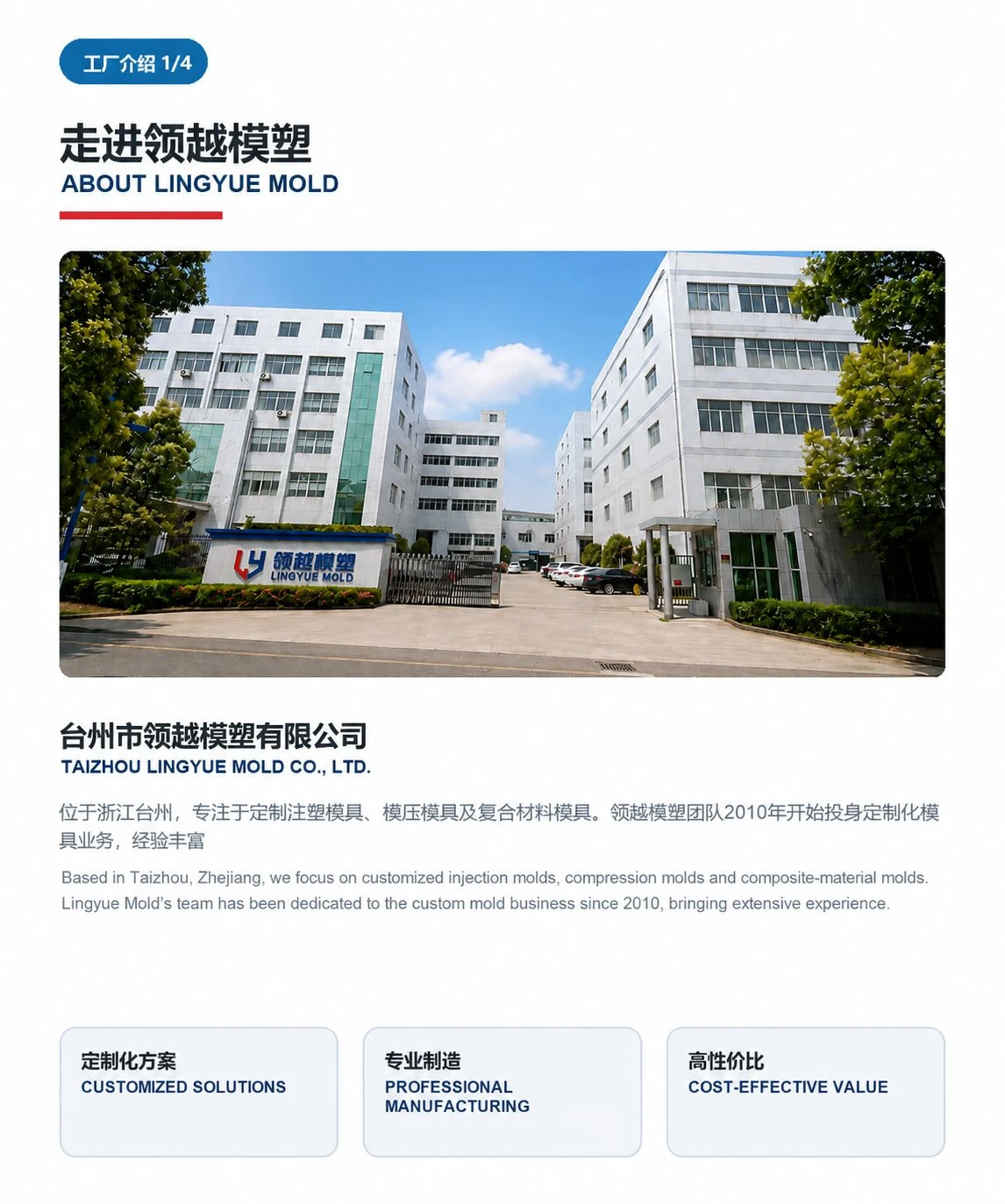
Taizhou Lingyue Mold and Plastic Co., Ltd. is one of the most reliable manufacturers and suppliers of plastic cap mold in China. With abundant experience, we are committed to providing high quality customized products with low price. We are warmly welcome you to buy advanced plastic cap mold made in China here from our factory. If you have any enquiry about quotation, please feel free to email us.
Product Details
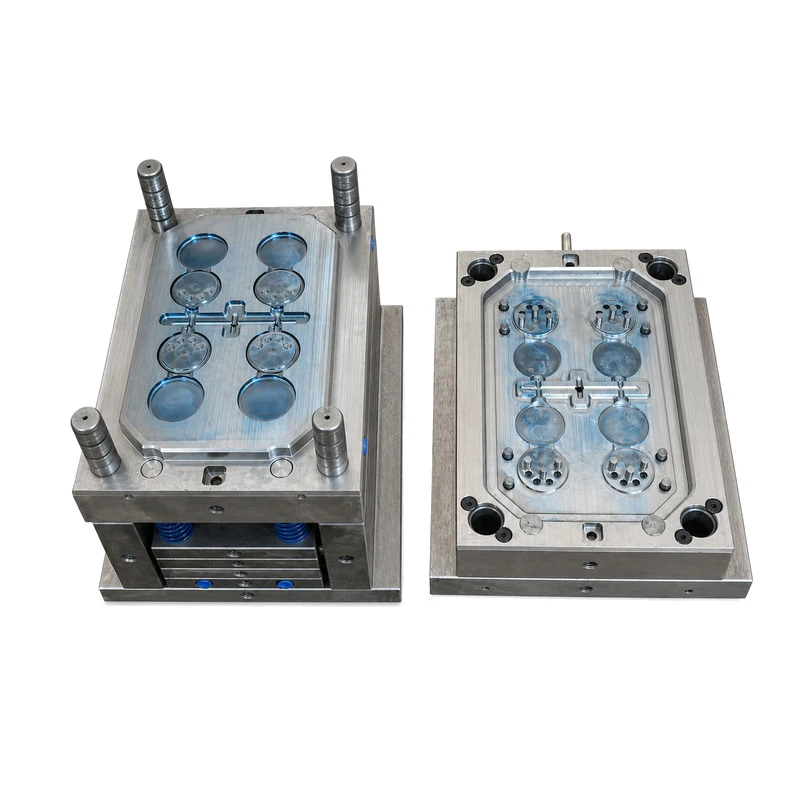
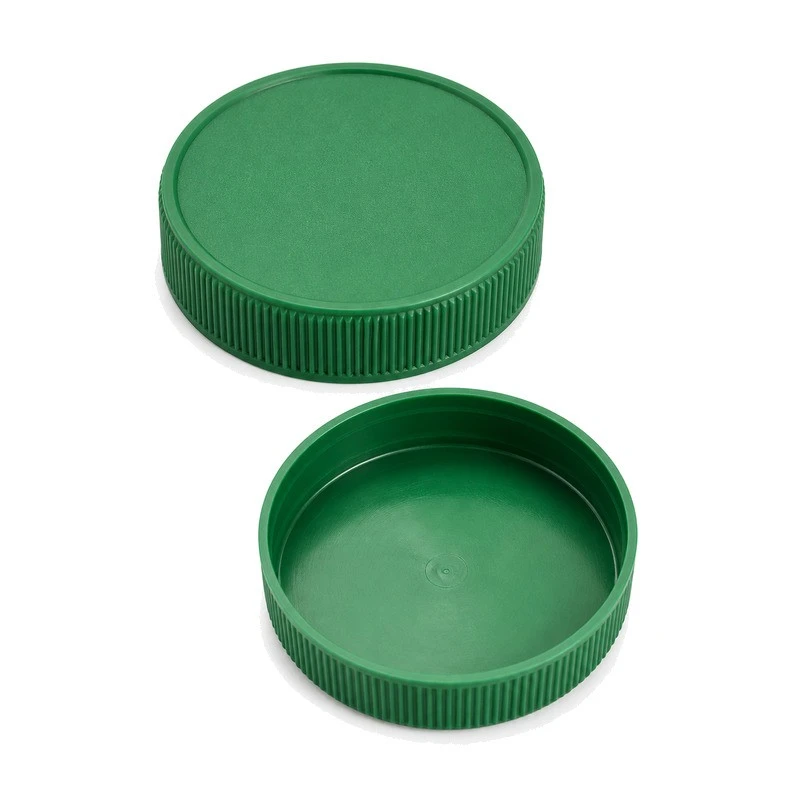
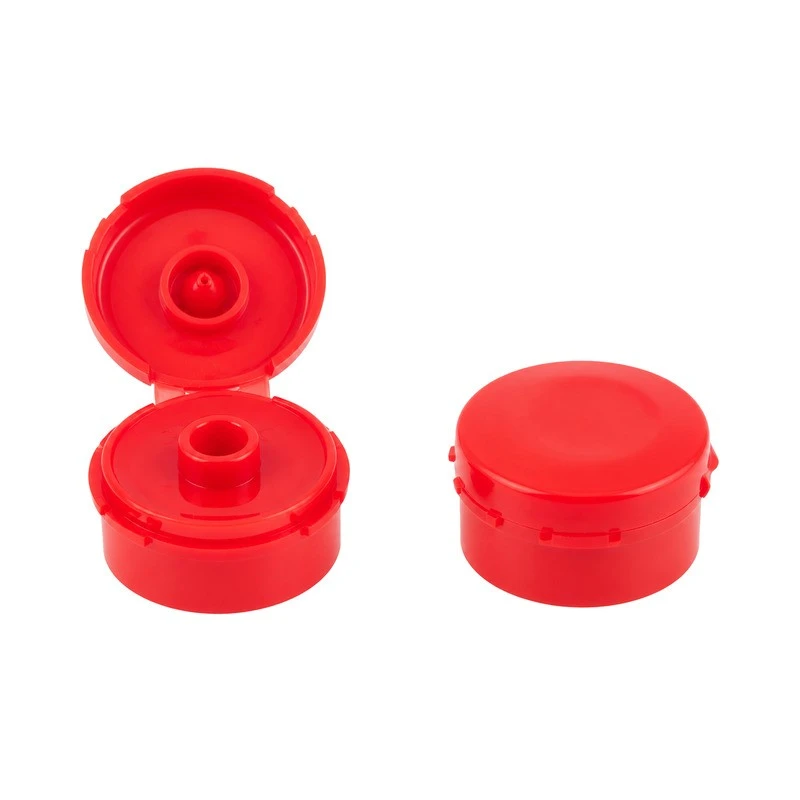
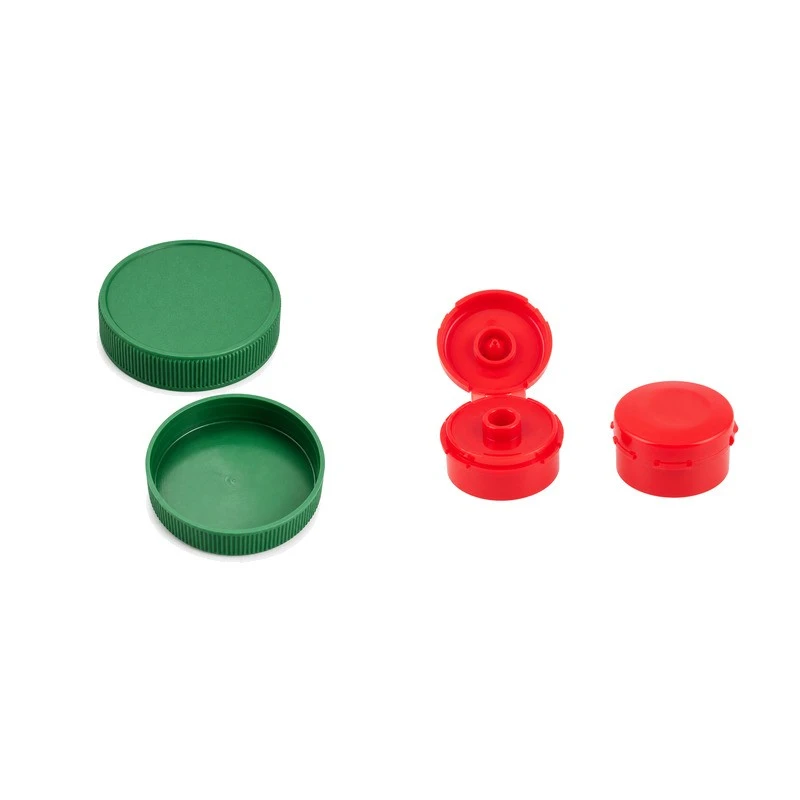
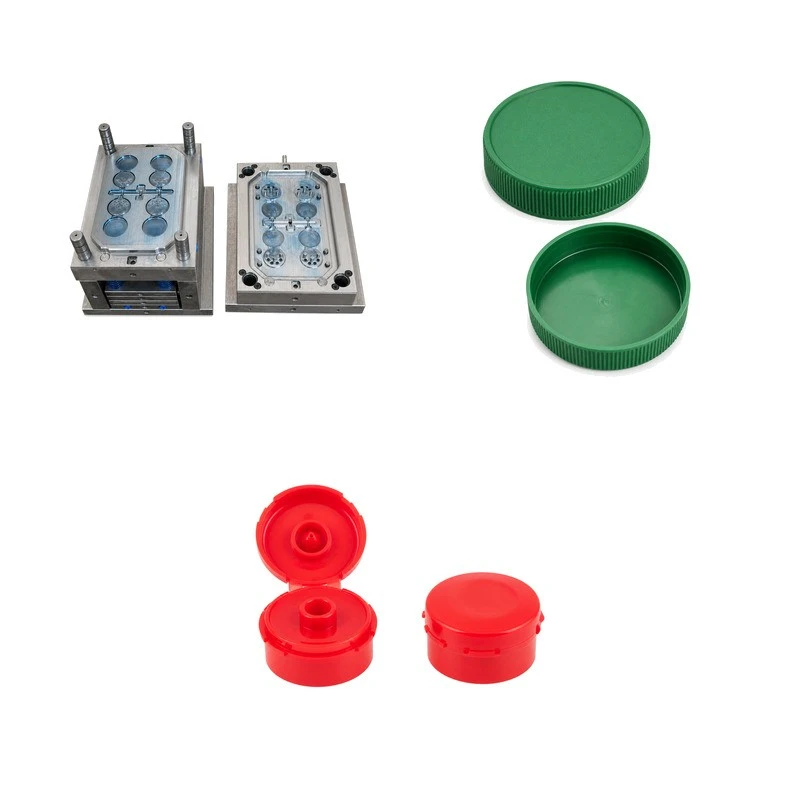
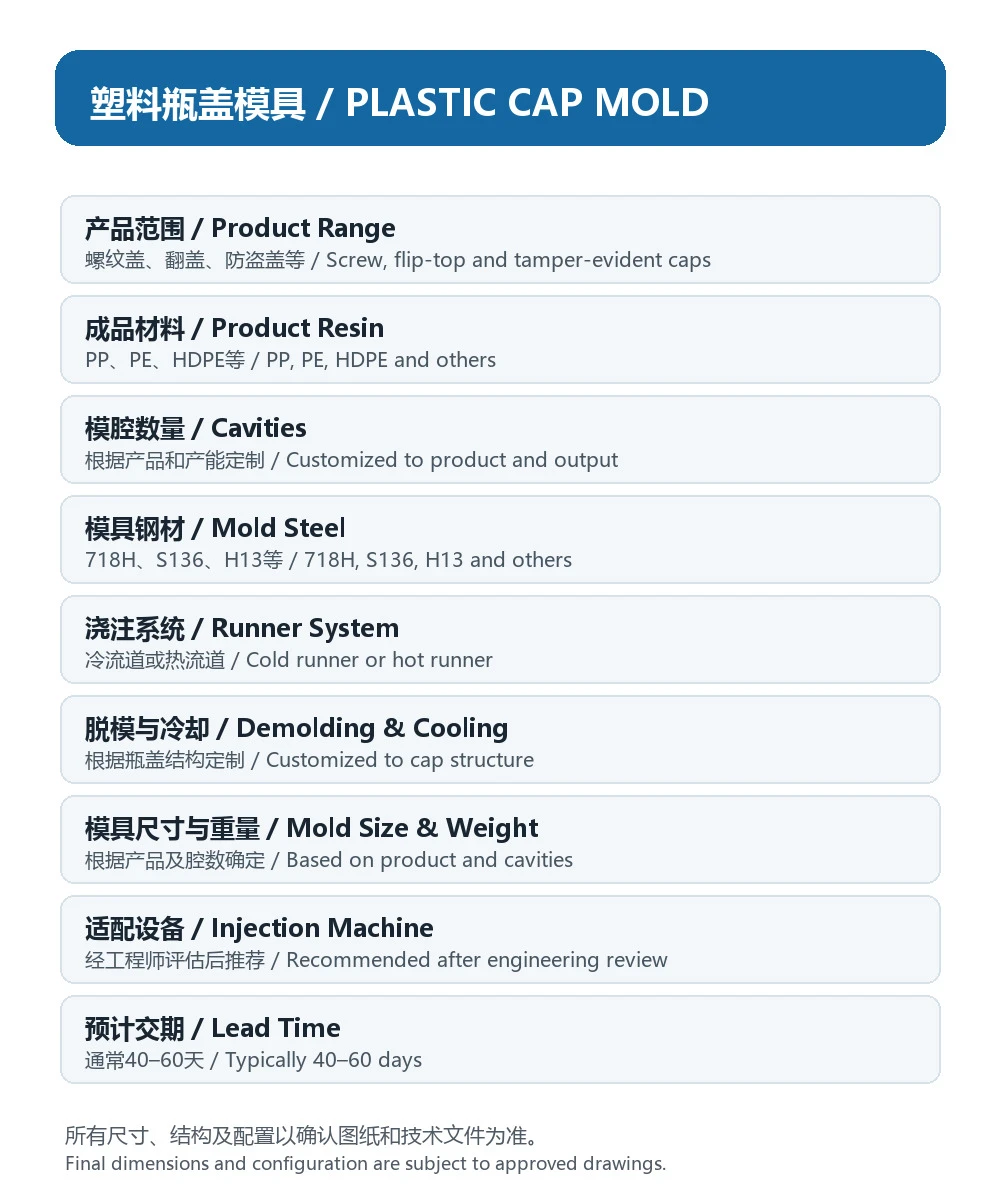
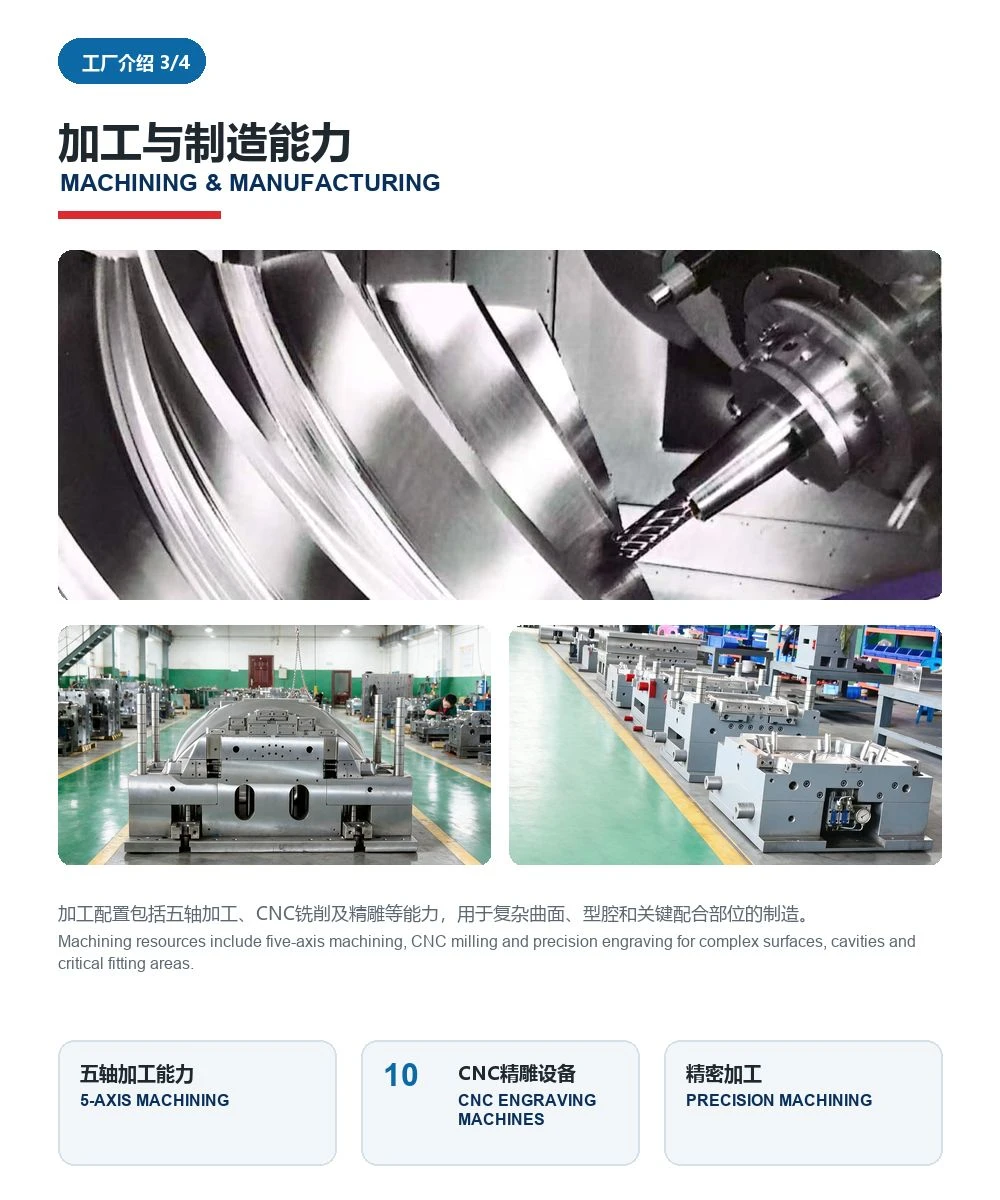
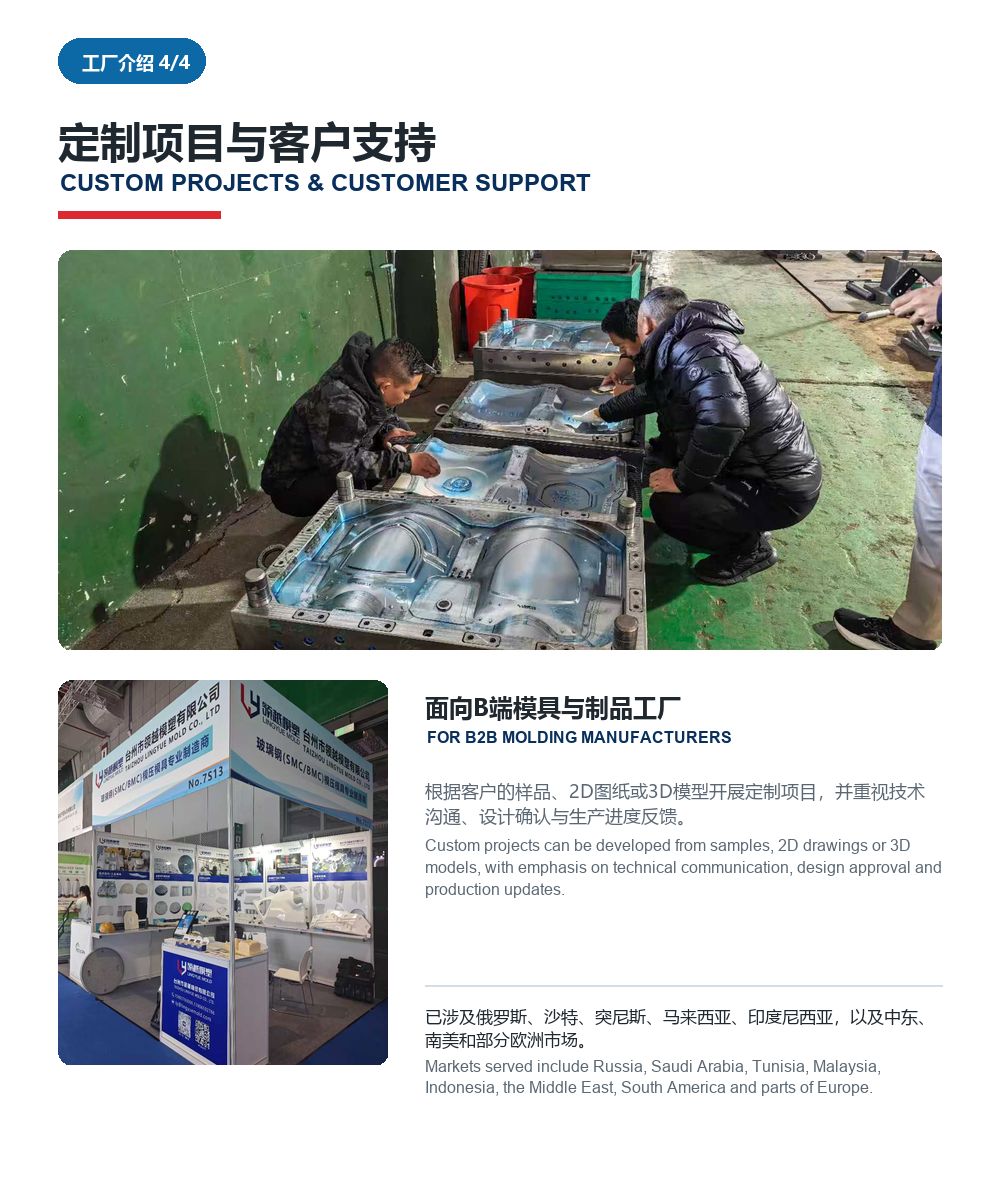
A custom plastic cap mold can be developed for screw caps, flip-top closures, tamper-evident caps and other packaging closure designs used in beverage, food, personal-care, medical and industrial packaging. Development starts from an approved sample, 2D drawing or 3D model. The engineering review considers neck compatibility, thread form, sealing features, tamper-evident details, living hinges, dispensing openings, parting, venting, shrinkage and automated production requirements.
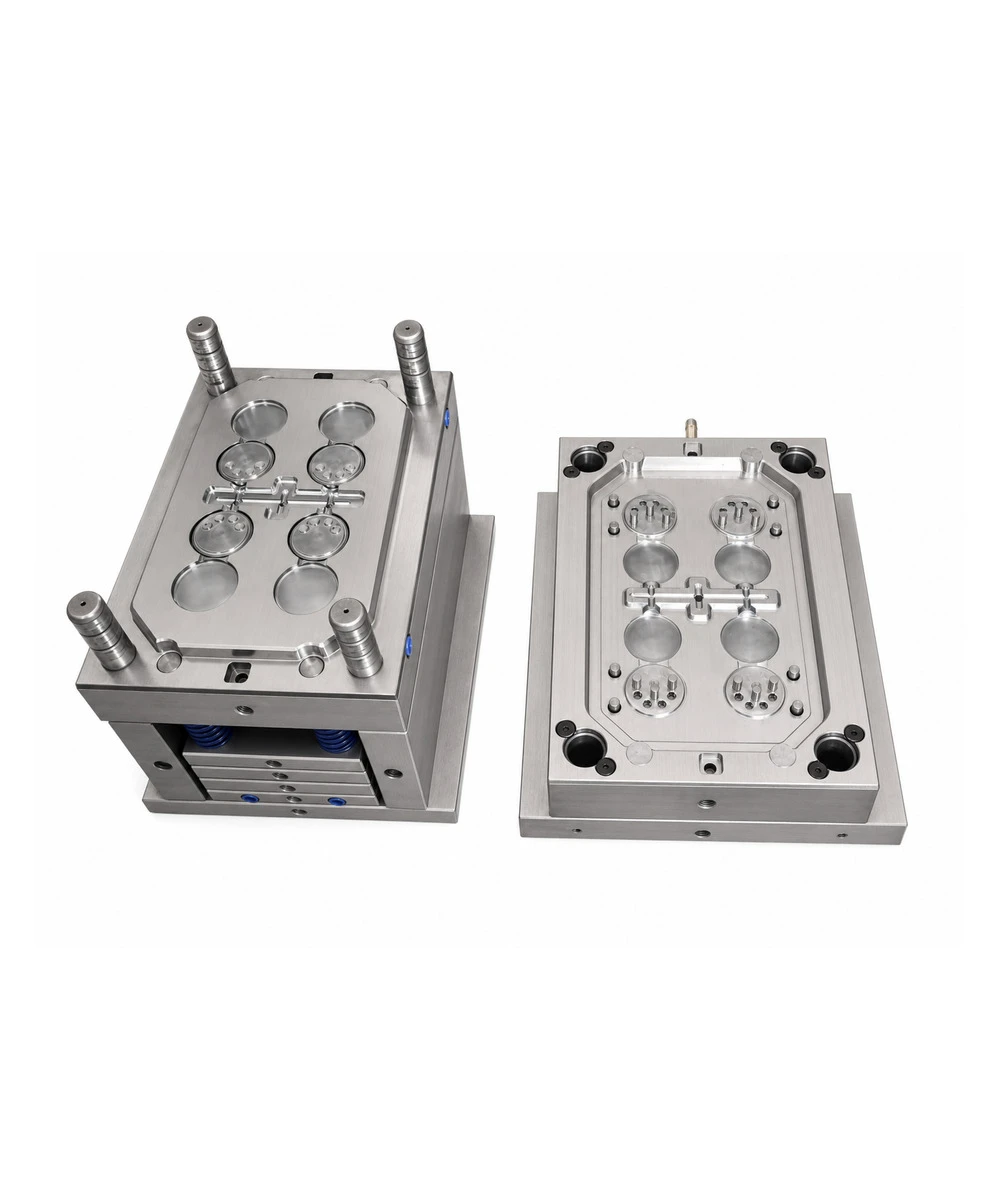
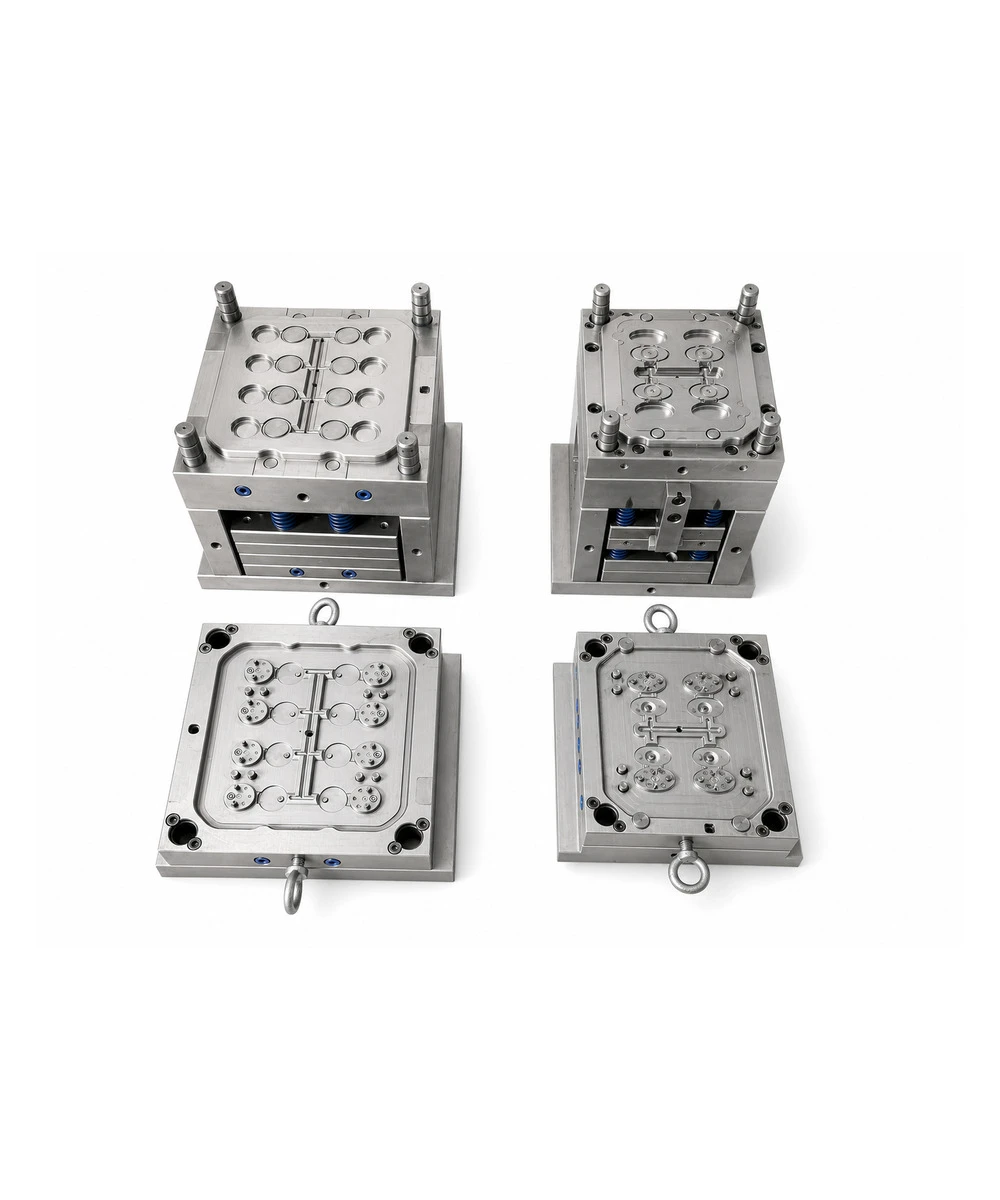
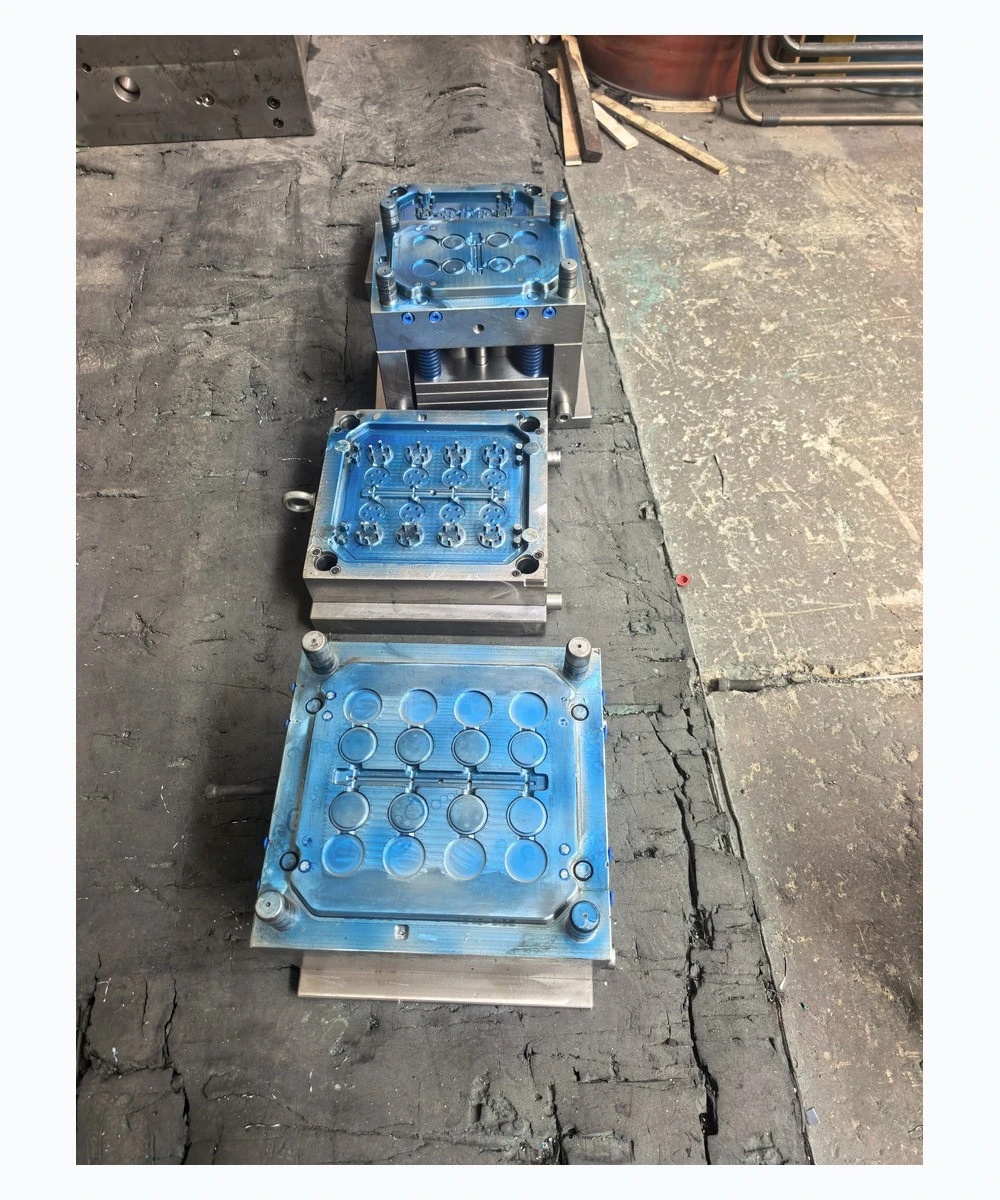
Each plastic cap mold is configured around the actual product and output target. PP, PE and HDPE are common molding resins, while the final grade must be confirmed for the project. Cavity quantity is customized according to cap dimensions, required capacity, cycle target and the available injection molding machine. Cold-runner and hot-runner layouts are available. Ejection, thread release, automatic drop and cooling circuits are selected according to the closure structure rather than copied from another mold.
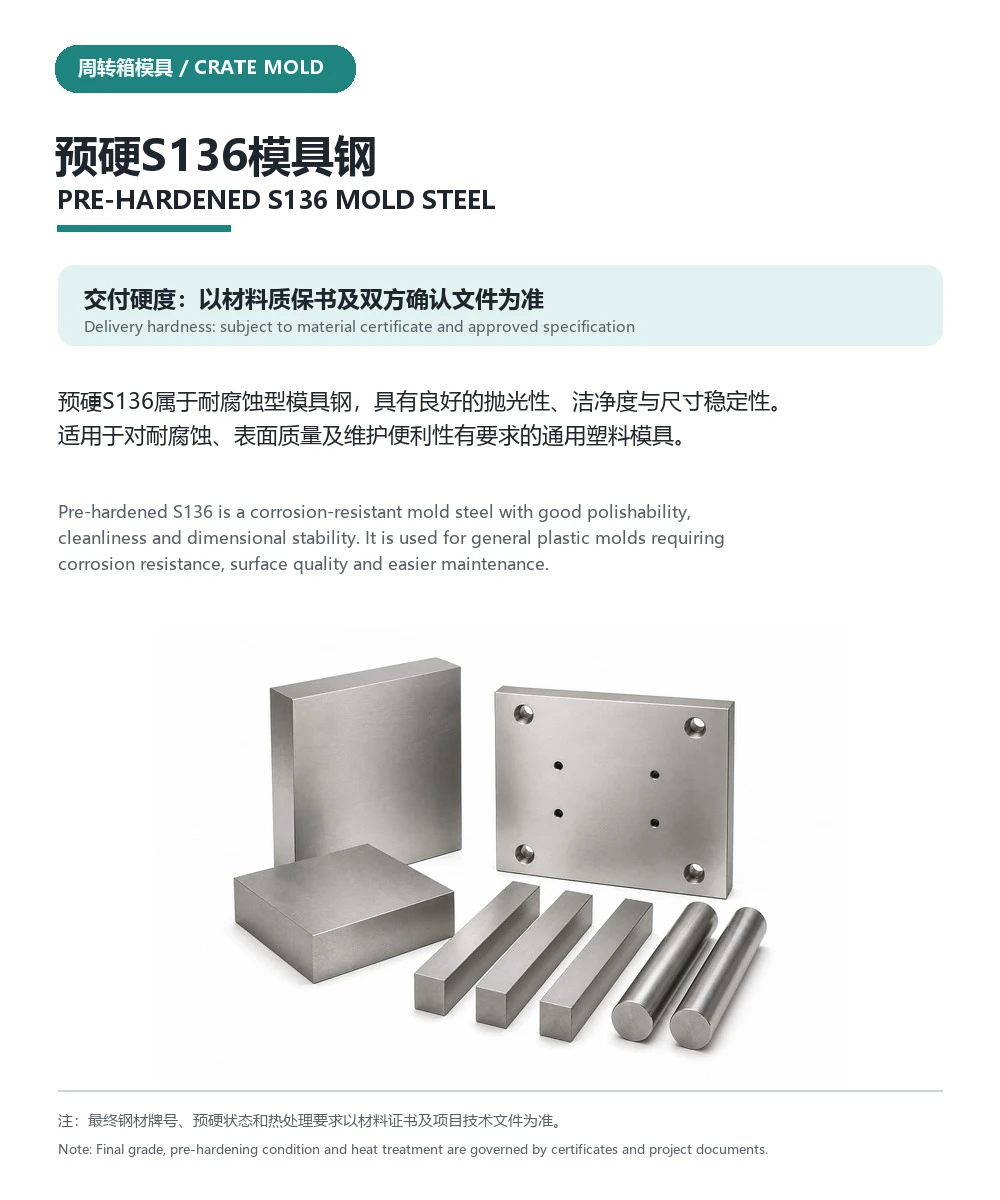
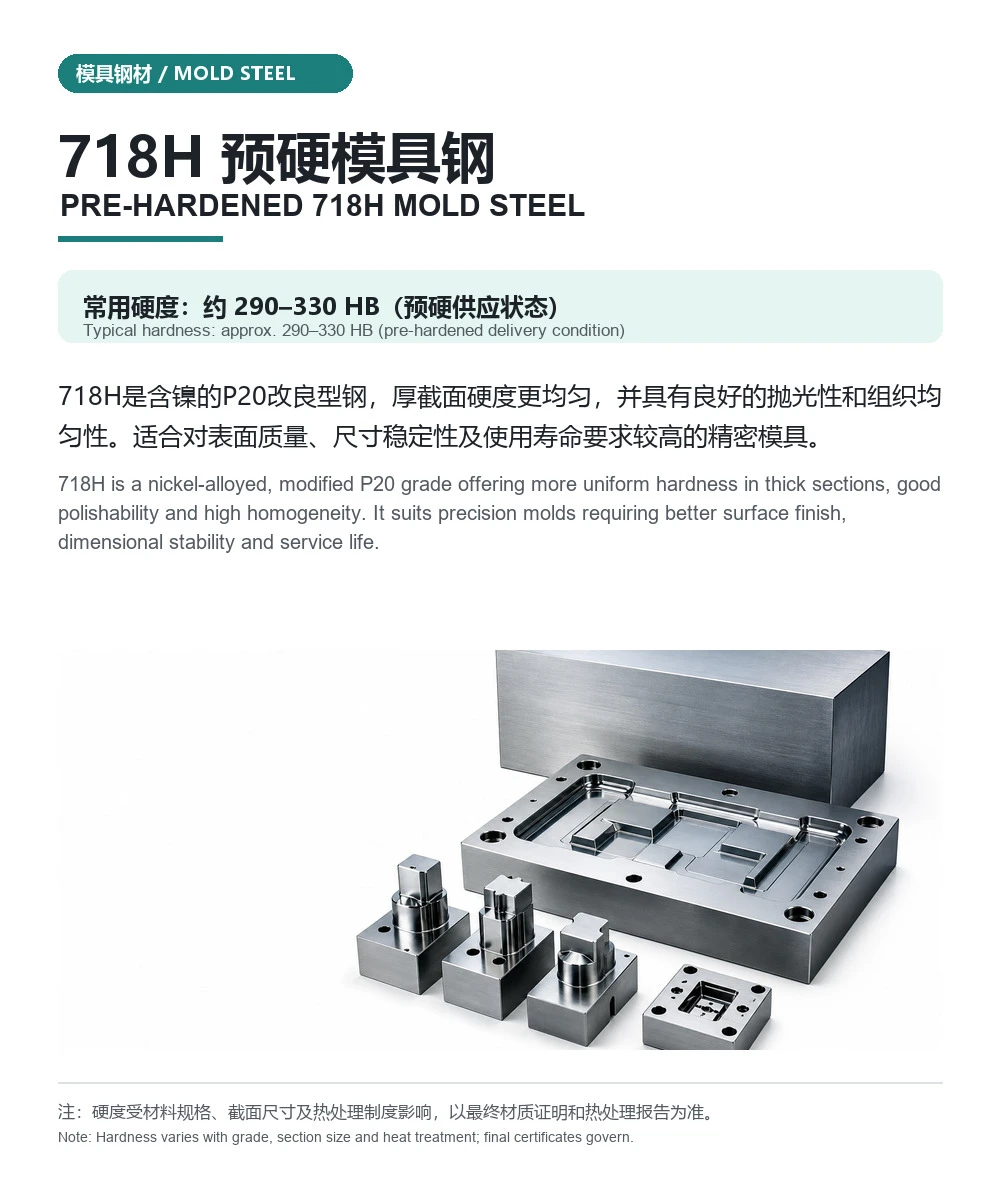
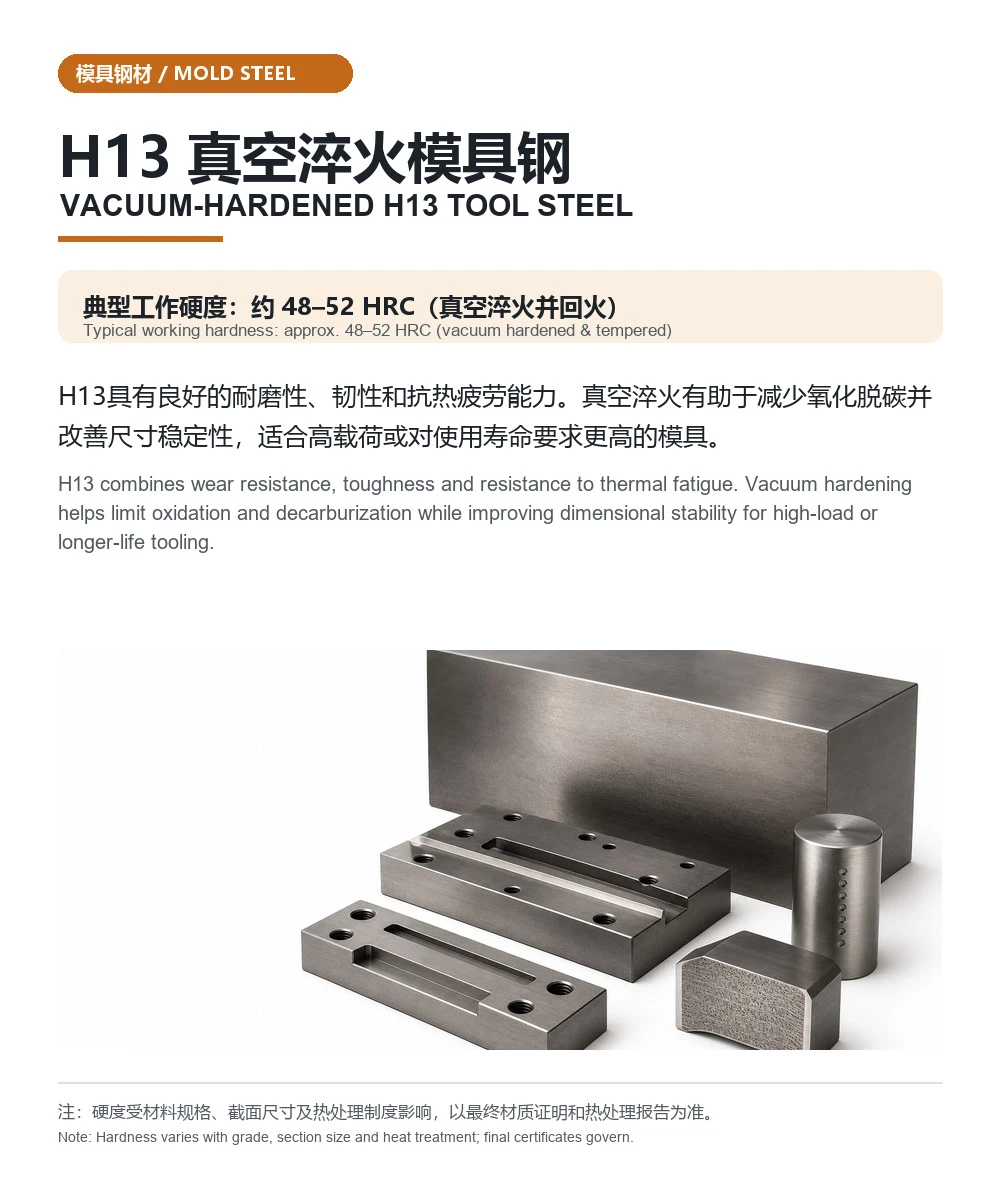
Mold size and weight depend on the cap design and cavity quantity. Machine compatibility is evaluated from clamping force, tie-bar spacing, platen dimensions, mold thickness, opening stroke and injection capacity. 718H, S136, H13 and other suitable steels may be selected for different mold components, subject to the approved steel and heat-treatment specification. Expected mold life depends on steel, structure, molding conditions, operation and maintenance, so it is confirmed project by project instead of stated as an unconditional figure.
The typical lead time is 40–60 days, subject to design approval, mold complexity, purchased components, machining, assembly and trial requirements. Final dimensions, materials, cavity count, runner configuration and acceptance criteria are governed by the mutually approved drawings and technical documents. This approach allows the plastic cap mold to be matched to the customer's closure design, production plan and equipment without introducing unverified standard parameters.
Application Scenarios
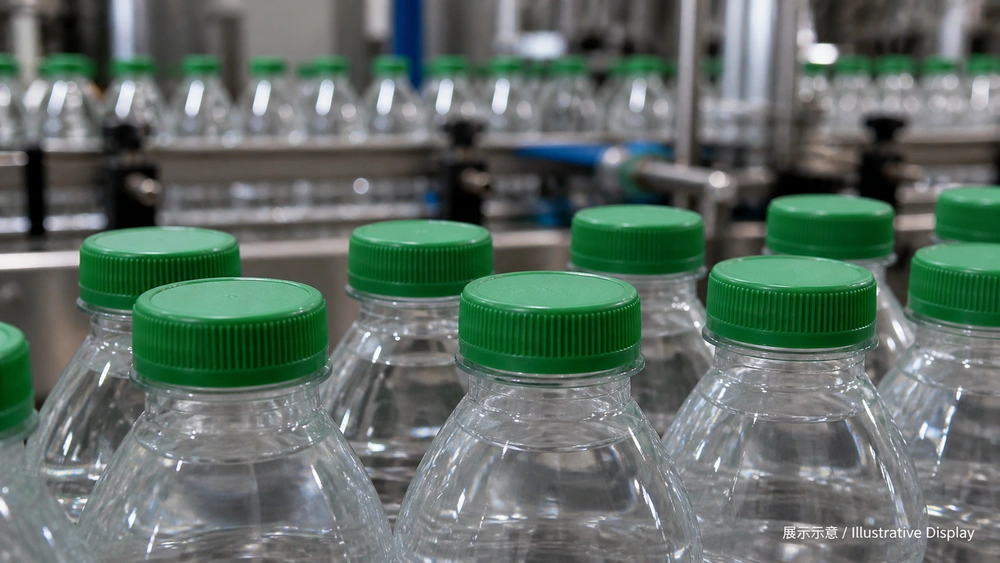
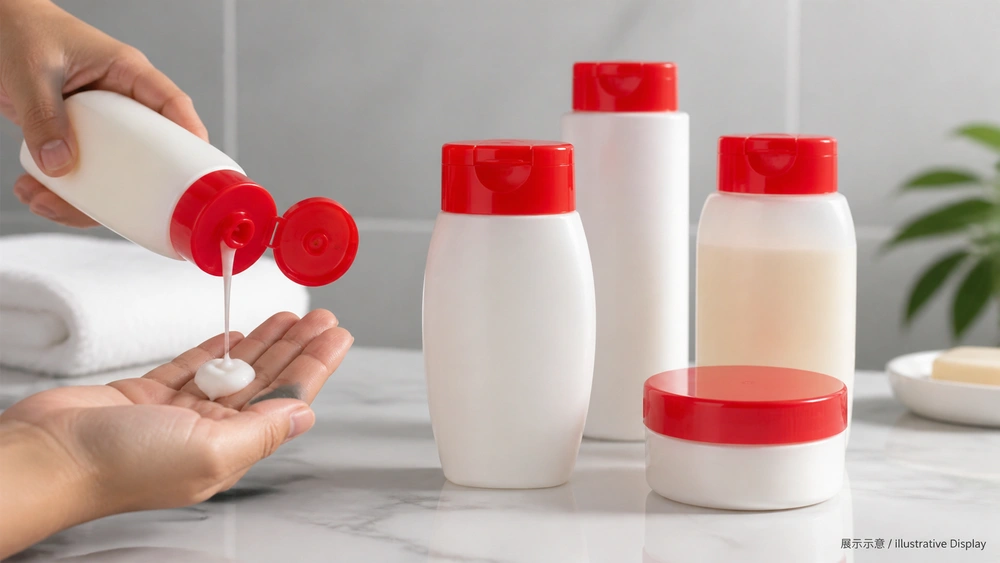
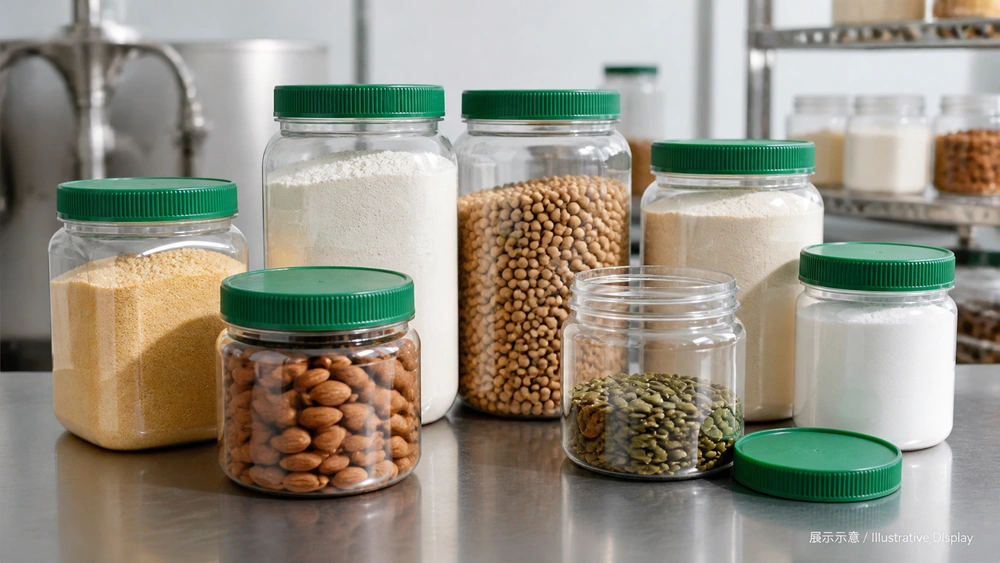
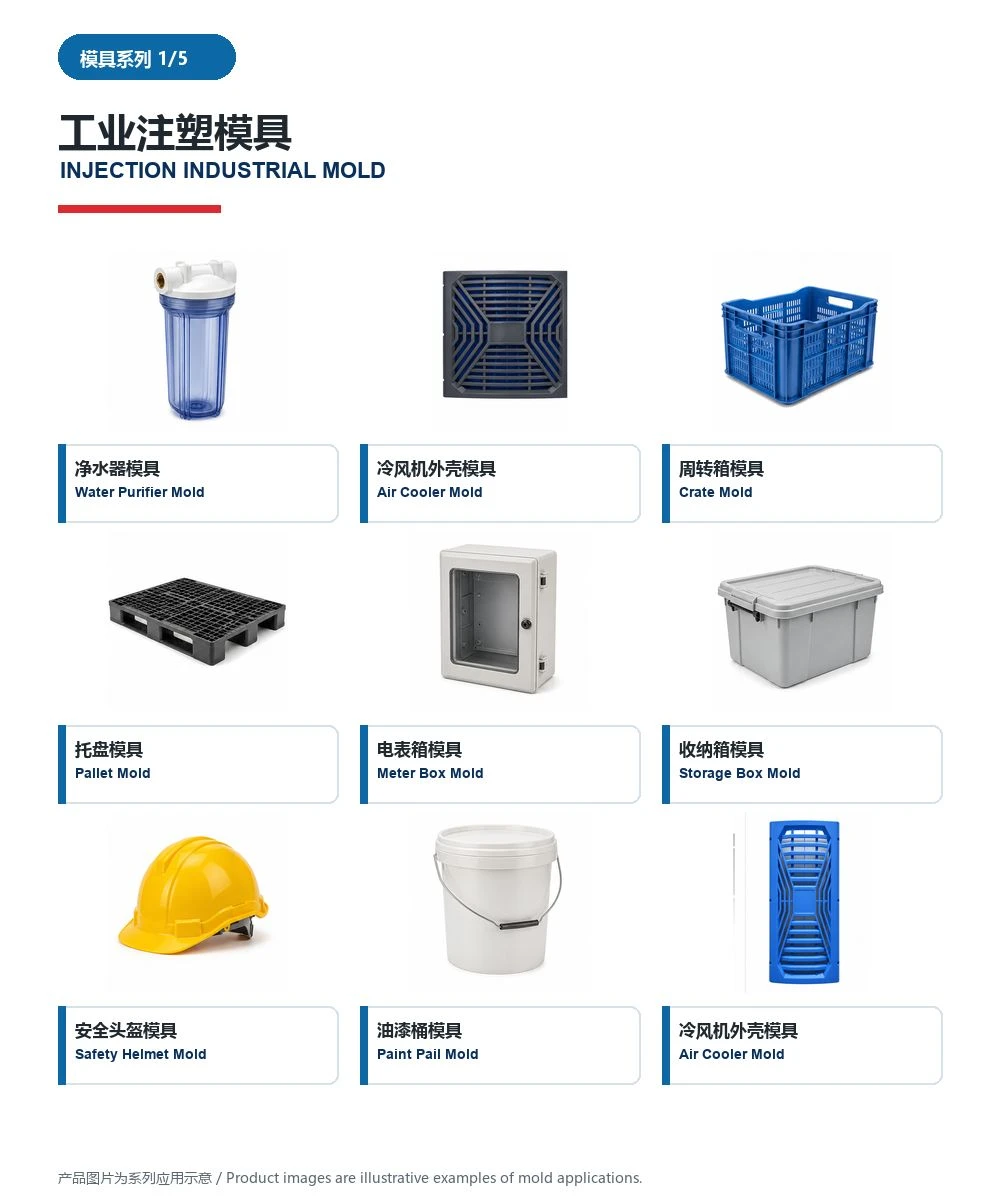
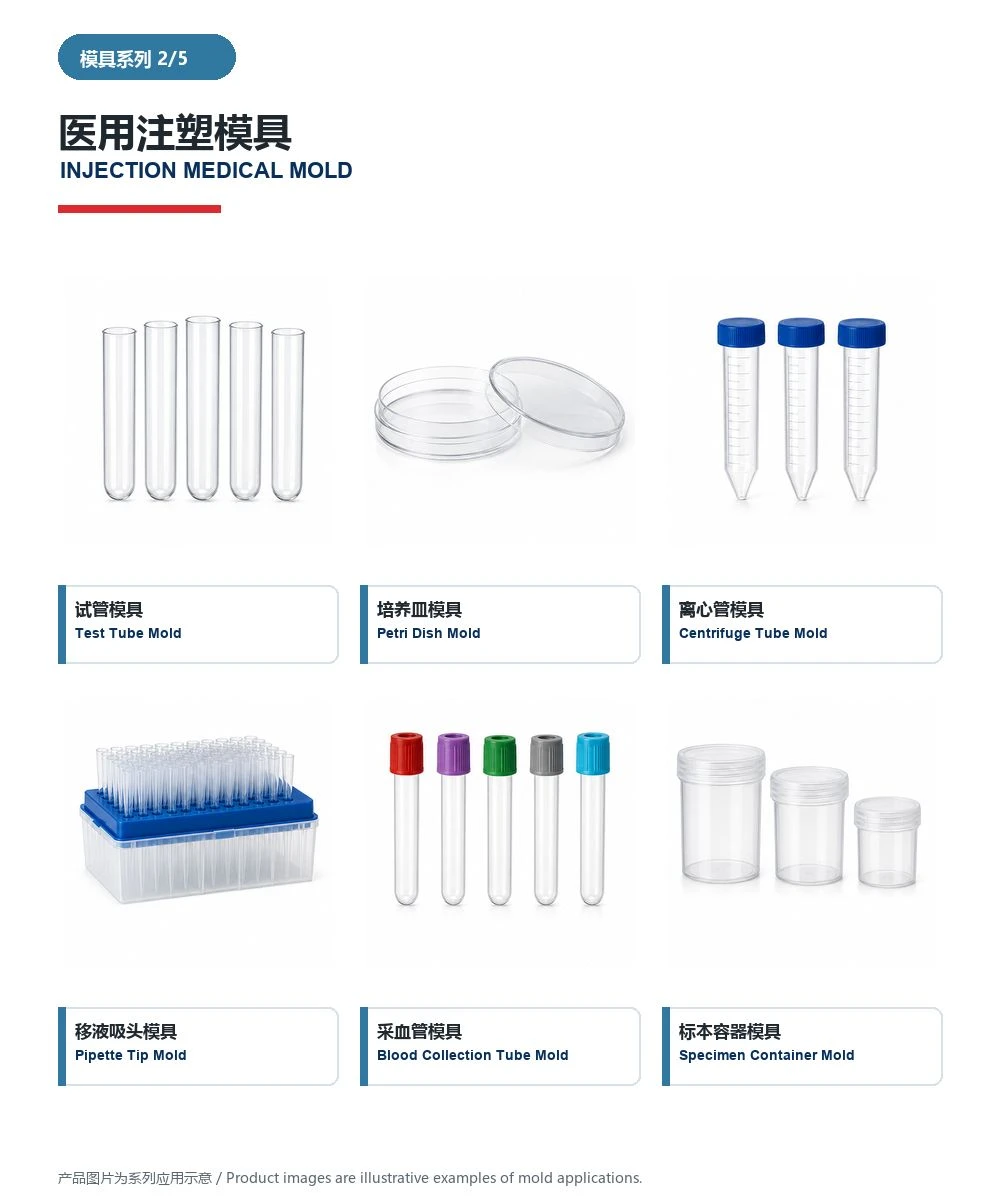
The mold series supports plastic closures for beverage bottles, food containers, personal-care packaging, medical or laboratory containers and industrial packaging. The scenes below illustrate typical cap use only and do not represent a specific customer, project or certification. Application display. Final design is subject to customization.

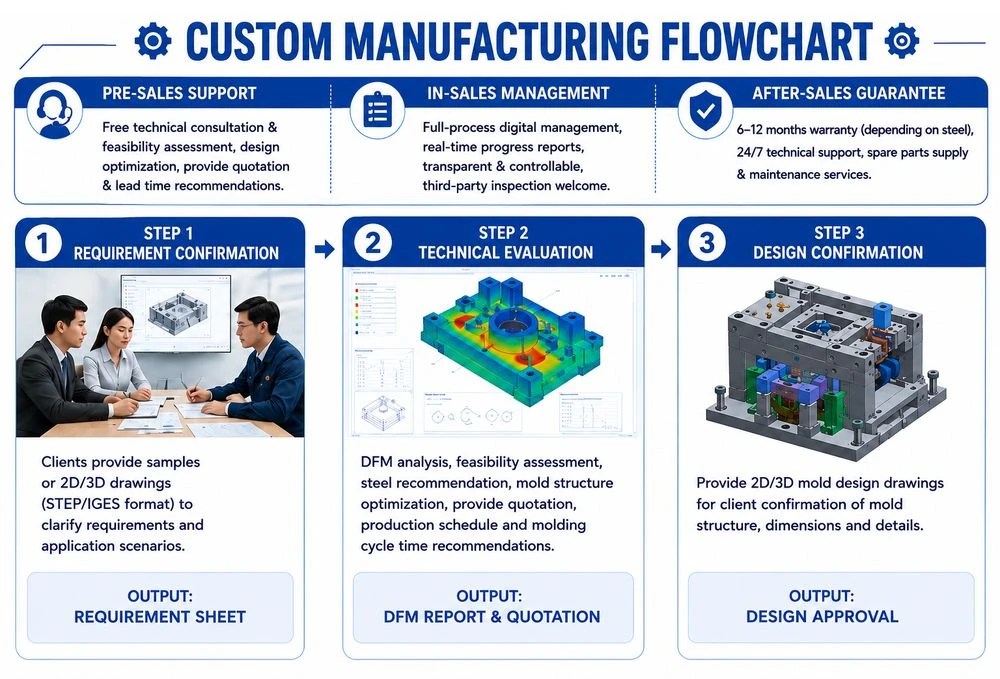
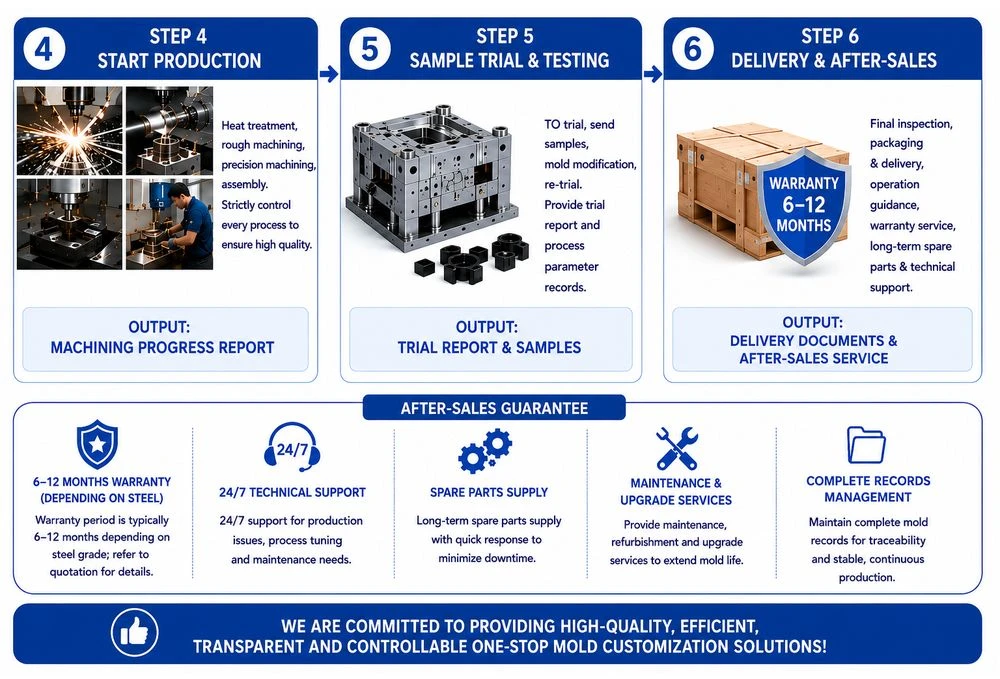
Mold Customization Process
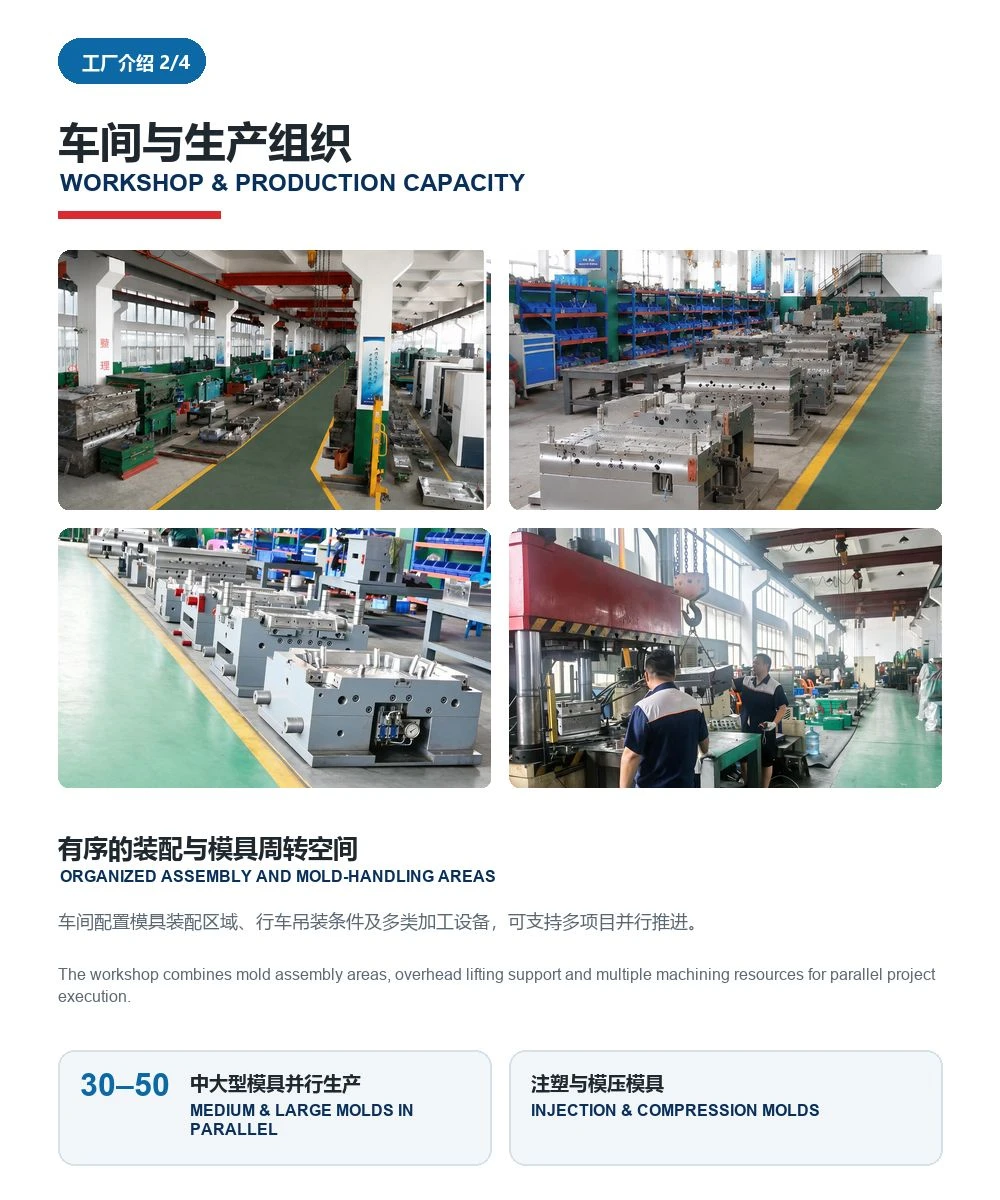
Factory Introduction
Plastic Cap Mold FAQ
Q: What types of caps can the mold produce?
A: The mold can be customized for screw caps, flip-top caps, tamper-evident closures and other plastic caps. The final structure is confirmed from the neck finish, sealing and intended use.
Q: Which plastics can be used?
A: Common materials include PP, PE and HDPE. The exact grade, shrinkage and molding conditions must be confirmed before mold design.
Q: Can I request a quotation without complete drawings?
A: Yes. You may provide a physical sample, 2D drawing or 3D model. If information is incomplete, the engineering team will identify what is needed for further review.
Q: How is the cavity quantity determined?
A: Cavity quantity is selected from cap size, output target, cycle requirement, machine capacity and budget instead of using a fixed configuration.
Q: How is the mold matched to our injection machine?
A: Provide clamping force, tie-bar spacing, platen data, mold thickness range, opening stroke and injection capacity for engineering review.
Q: How are cap sealing and dimensions controlled?
A: The neck fit, thread, sealing surface, resin shrinkage and tolerances are reviewed in design, then verified through agreed trials and inspections.
Q: How is threaded-cap demolding handled?
A: Strip ejection, unscrewing or another solution can be evaluated according to thread depth, resin and closure structure.
Q: How can cap flash be reduced?
A: Check the parting surface, clamping, mold fit, injection pressure and resin condition. Adjustments should be based on trial results.
Q: How can uneven filling be improved?
A: Review runner balance, gates, venting, temperature, pressure and resin flow. Fixed settings should not be given without trial data.
Q: What problems can uneven cooling cause?
A: It may affect cycle time, shrinkage and dimensional stability. Cooling circuits should be designed around the cap, cavity quantity and heat load.
Hot Tags: plastic cap mold, China plastic cap mold manufacturers, suppliers, factory


