


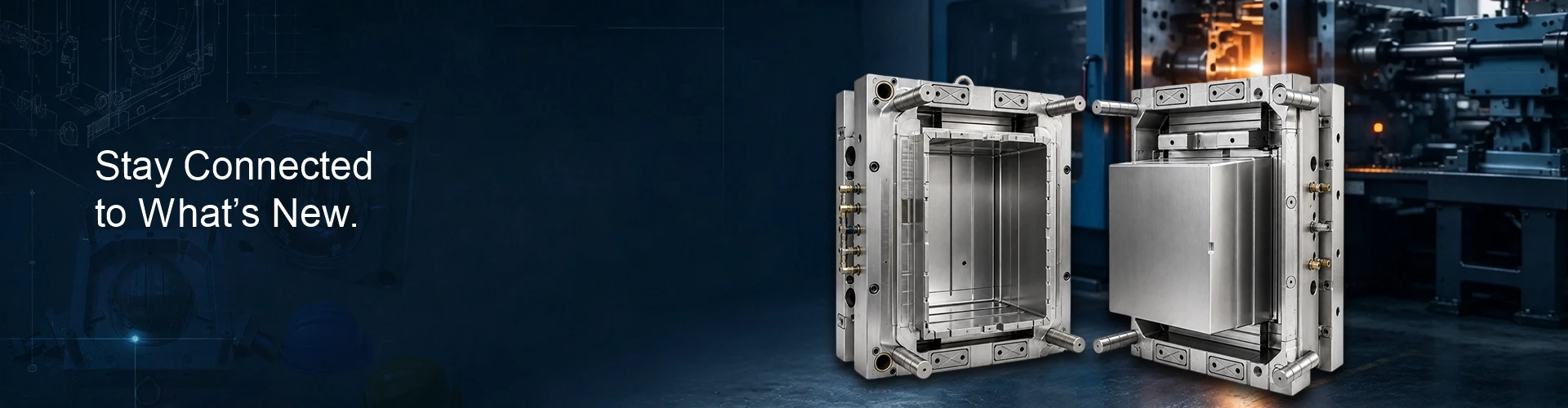
A precision injection mold is a device used to produce precision parts by injecting molten resin into a metal mold cavity under high pressure, followed by cooling and solidification. Its core structure comprises the main runner, branch runners, gates, and a cooling/temperature control system, while the molding process encompasses stages such as injection, holding, cooling, and ejection. This technology requires the use of engineering plastics with stable mechanical properties and specialized injection molding equipment; furthermore, strict control over mold tolerances, material shrinkage rates, and process parameters is essential to meet high-precision requirements.
Precision injection-molded products can achieve dimensional accuracy of better than 0.01 mm, requiring mold cavity manufacturing tolerances to be controlled within ±0.005 mm. Molds must be constructed from high-strength alloy steel, with molding components requiring a hardness of approximately HRC52, and manufactured using high-precision processes such as CNC machining, electrical discharge machining (EDM), and wire-cut EDM. The technology is suitable for small-batch trial production and the manufacture of precision components, with key aspects involving mold temperature control, deformation-resistant design, and precision machining. Currently, more than half of the high-precision molds used domestically are imported, and core technological efforts focus on optimizing material compatibility, mold flow analysis, and the system integration of precision molding processes. These products are widely used to manufacture complex structural parts for sectors such as consumer electronics, automotive components, medical devices, aerospace, and new energy vehicles.