


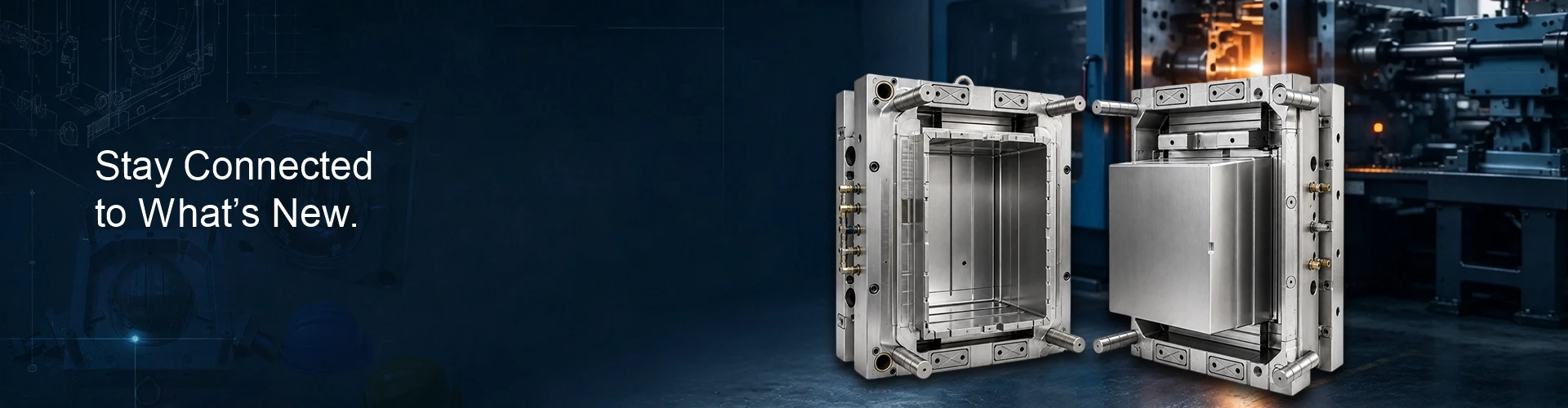
Aluminum alloy molds: Made from 6061 or 7075 aluminum alloy; advantages include fast machining speeds and low costs (approximately one-third that of steel molds), making them suitable for small-batch production (≤100,000 cycles) or prototyping; disadvantages include poor wear resistance, with cavity wear likely to occur during long-term production.
Mold steel molds: The primary materials are pre-hardened steel (e.g., 718H, P20) and hardened (quenched) steel (e.g., H13, S136):
Pre-hardened steel molds: Moderate hardness (30–45 HRC), easy to machine, and a lifespan of 300,000–500,000 cycles; suitable for medium-batch products such as home appliances and daily necessities.
Hardened steel molds: High hardness (50–55 HRC), wear-resistant, and corrosion-resistant, with a lifespan exceeding 1 million cycles; suitable for high-precision, high-volume products in sectors like automotive and medical manufacturing. S136 steel molds, in particular, can be polished to a mirror finish (Ra ≤ 0.01 μm), making them ideal for producing transparent parts (such as PC lenses).