


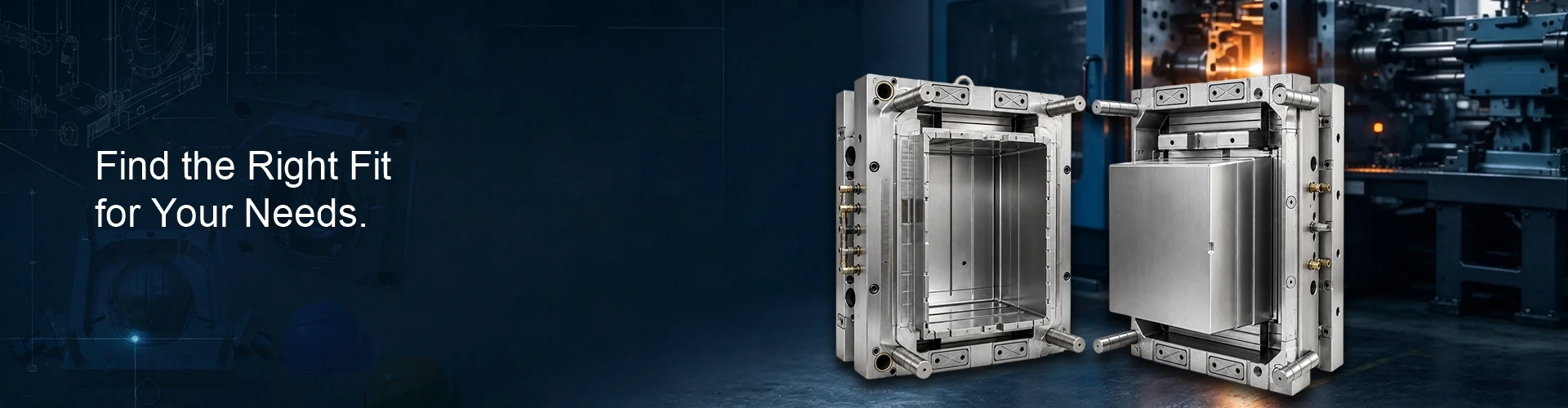
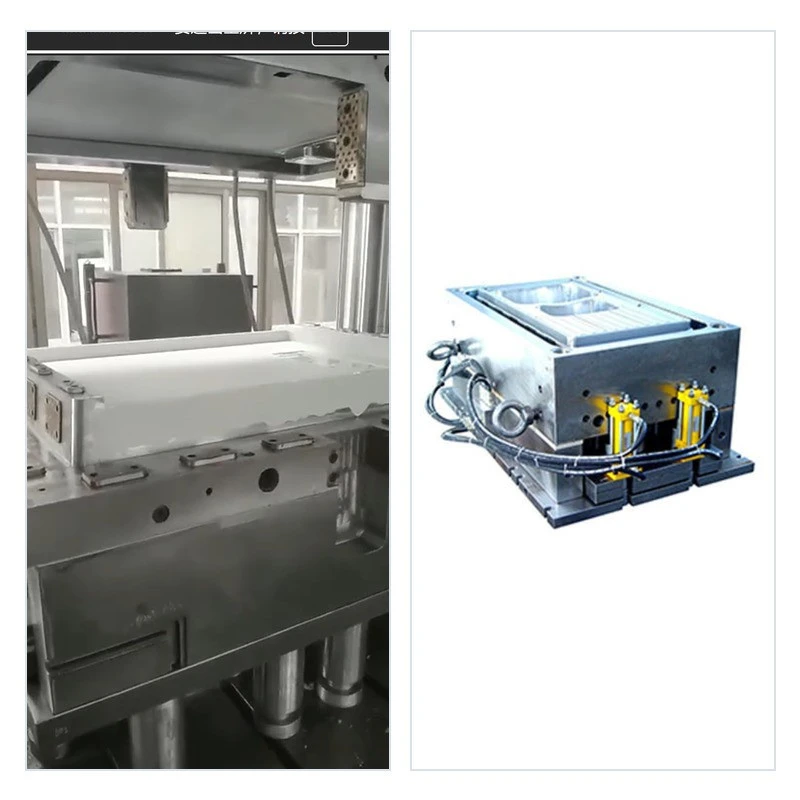
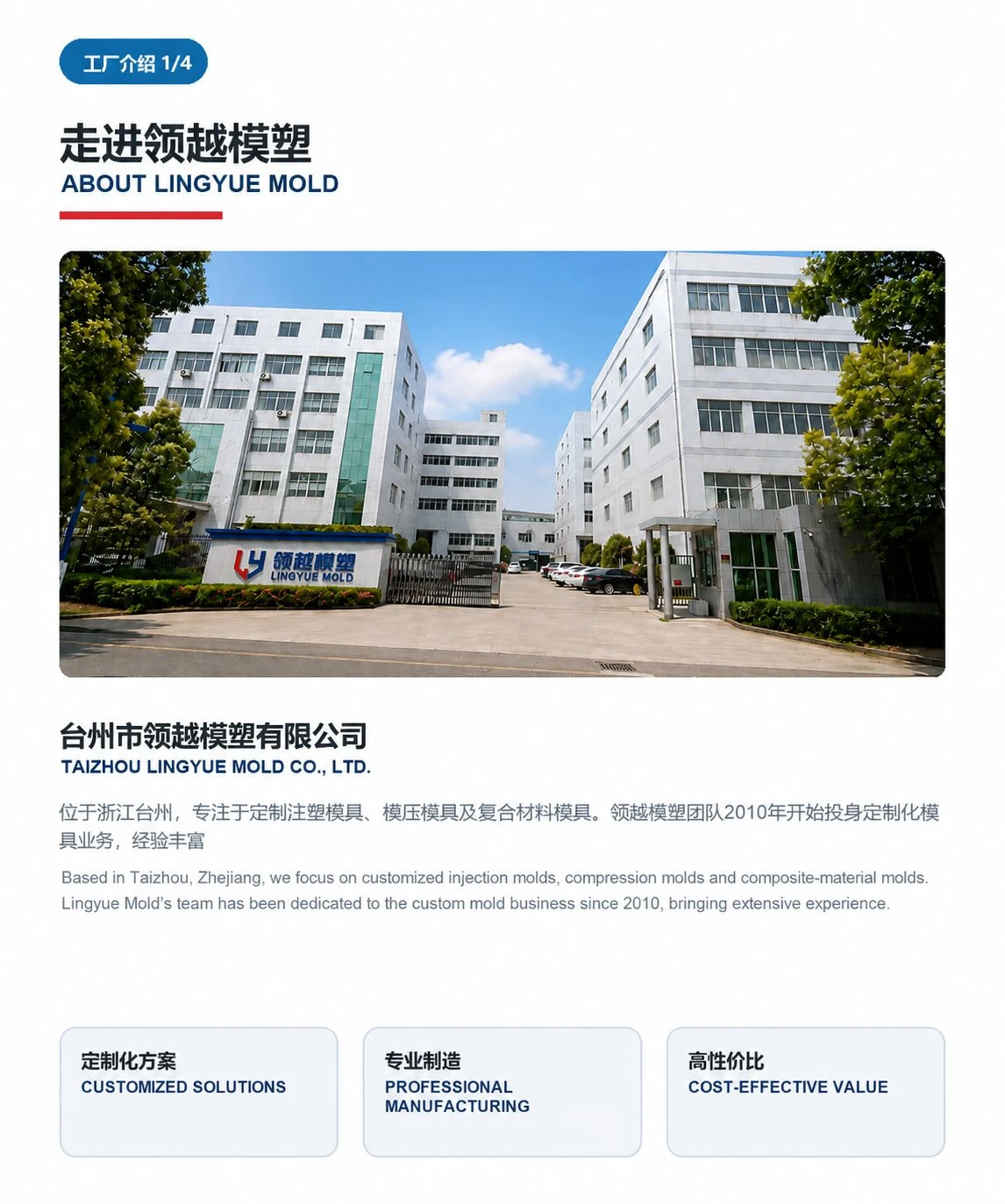
Taizhou Lingyue Mold and Plastic Co., Ltd. is one of the most reliable manufacturers and suppliers of sink mold in China. With abundant experience, we are committed to providing high quality customized products with low price. We are warmly welcome you to buy advanced sink mold made in China here from our factory. If you have any enquiry about quotation, please feel free to email us.
Product Details
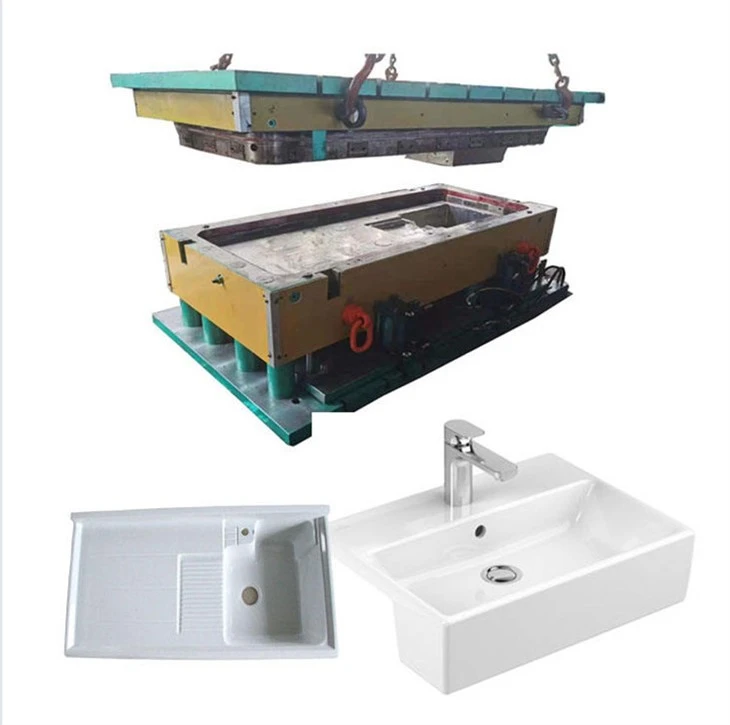
Custom SMC/BMC Sink Compression Mold
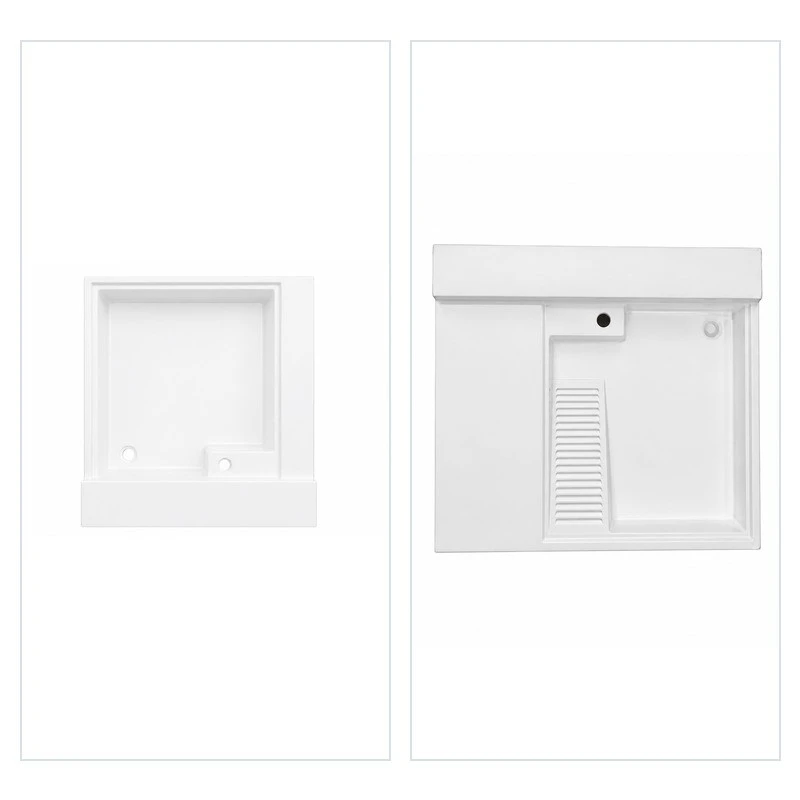
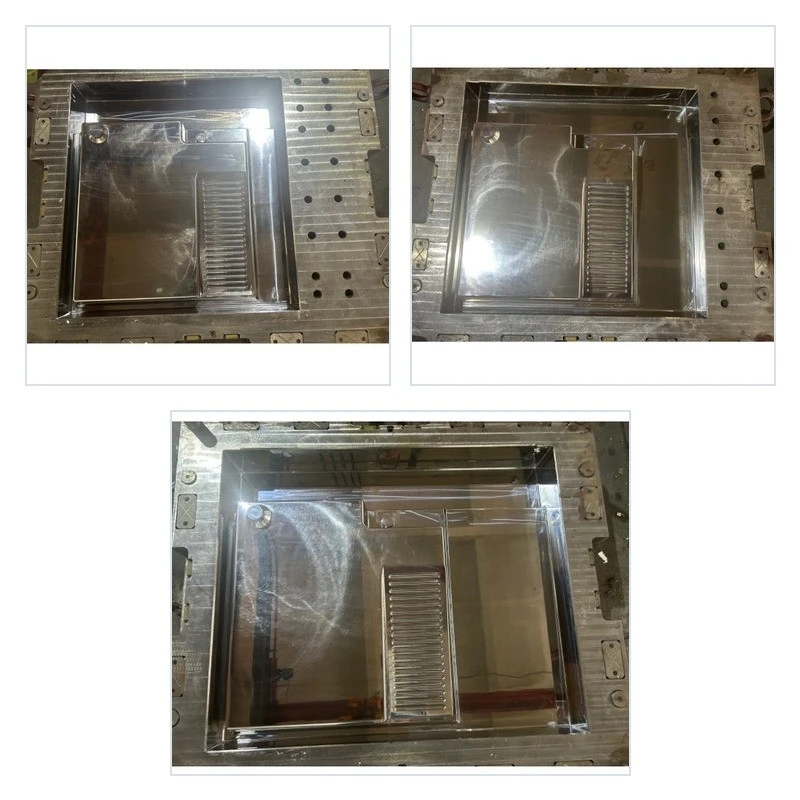
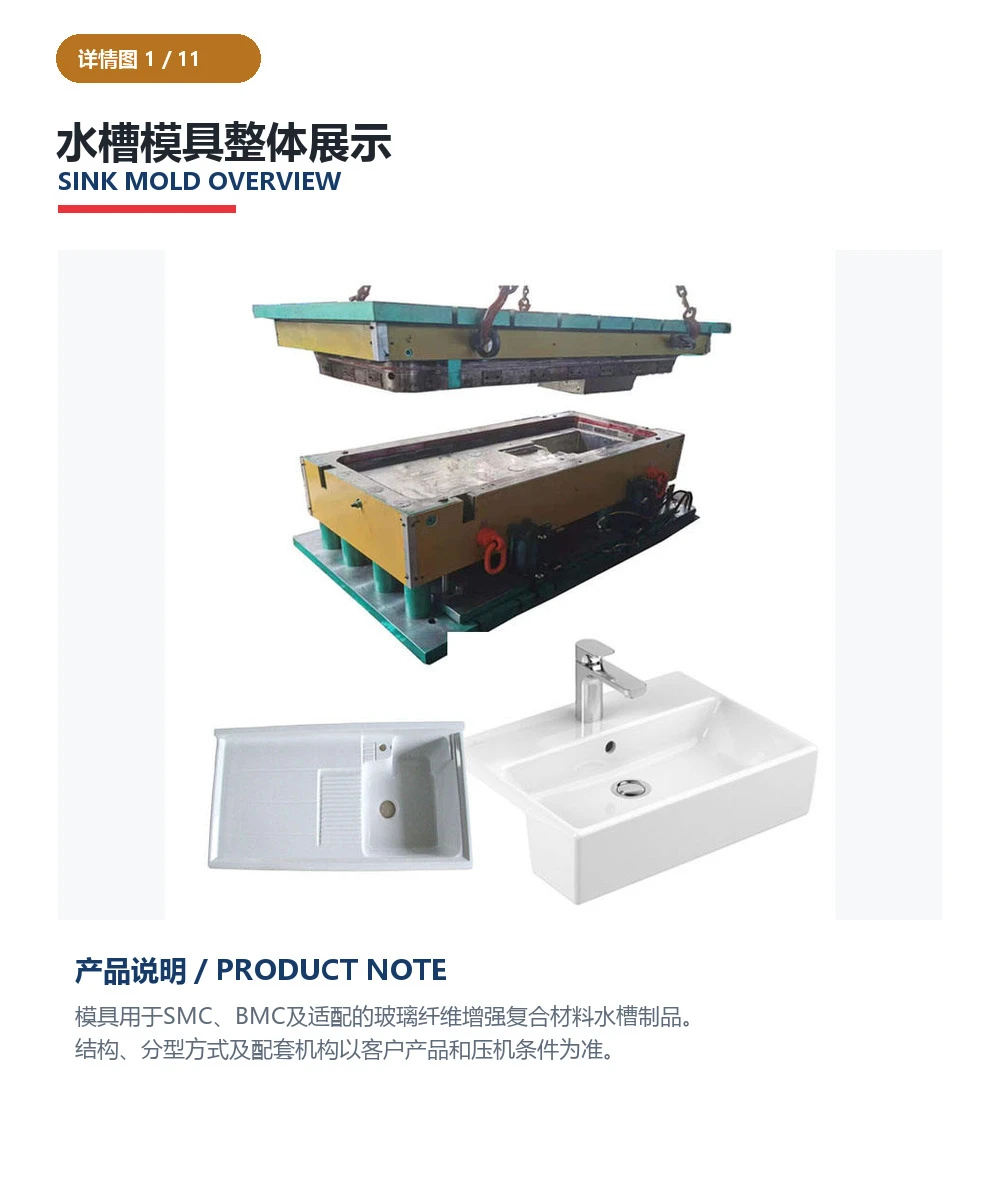
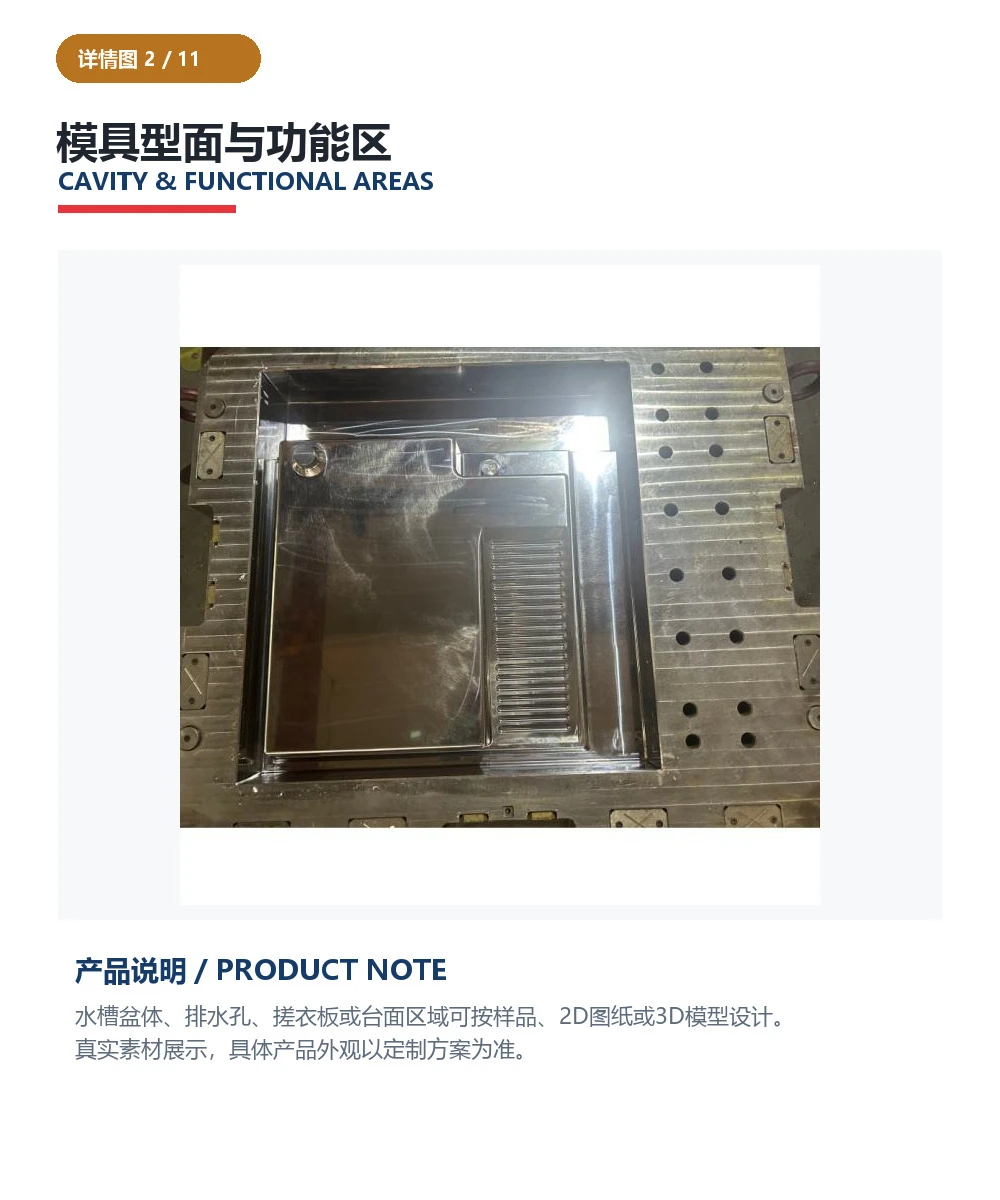
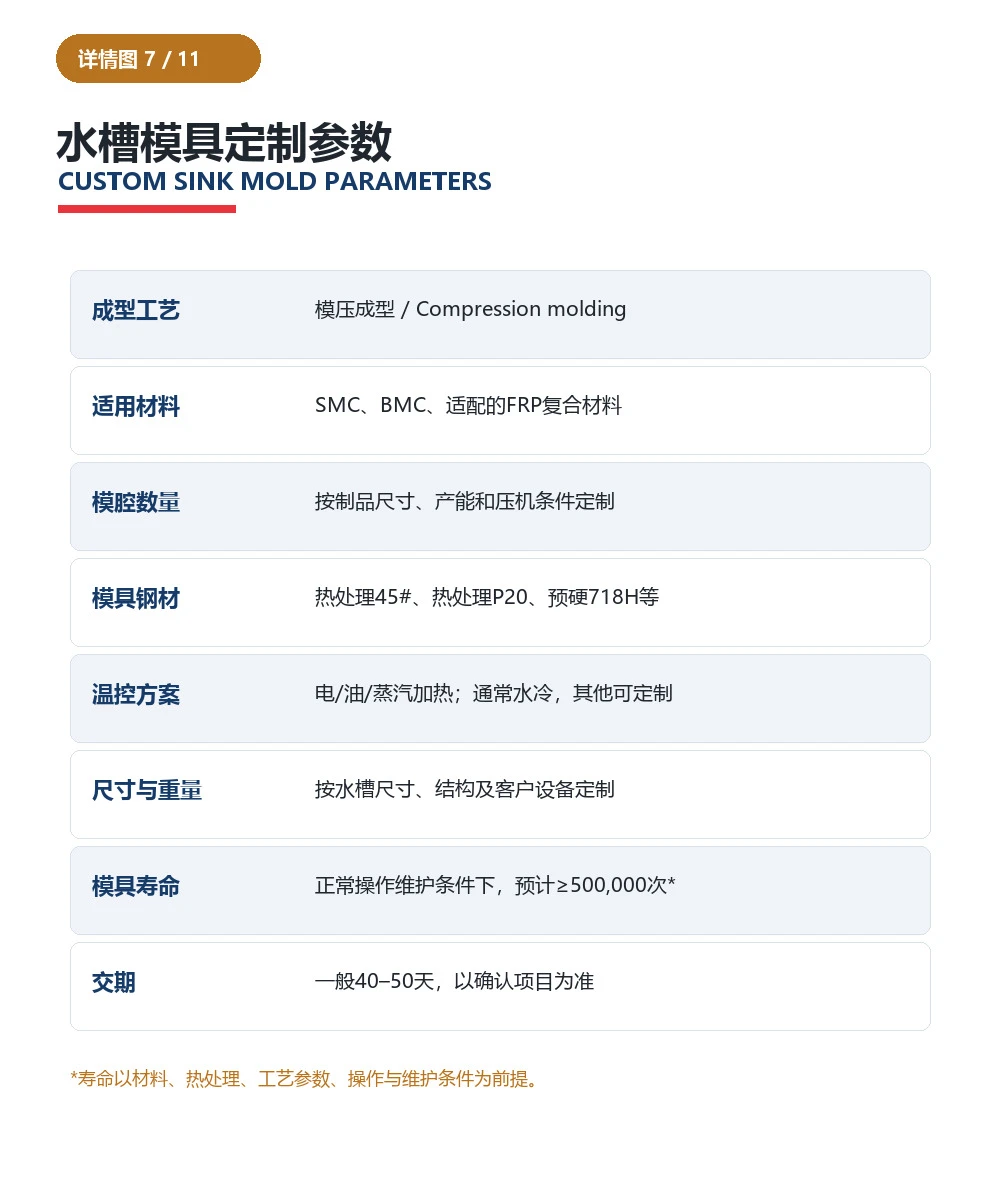
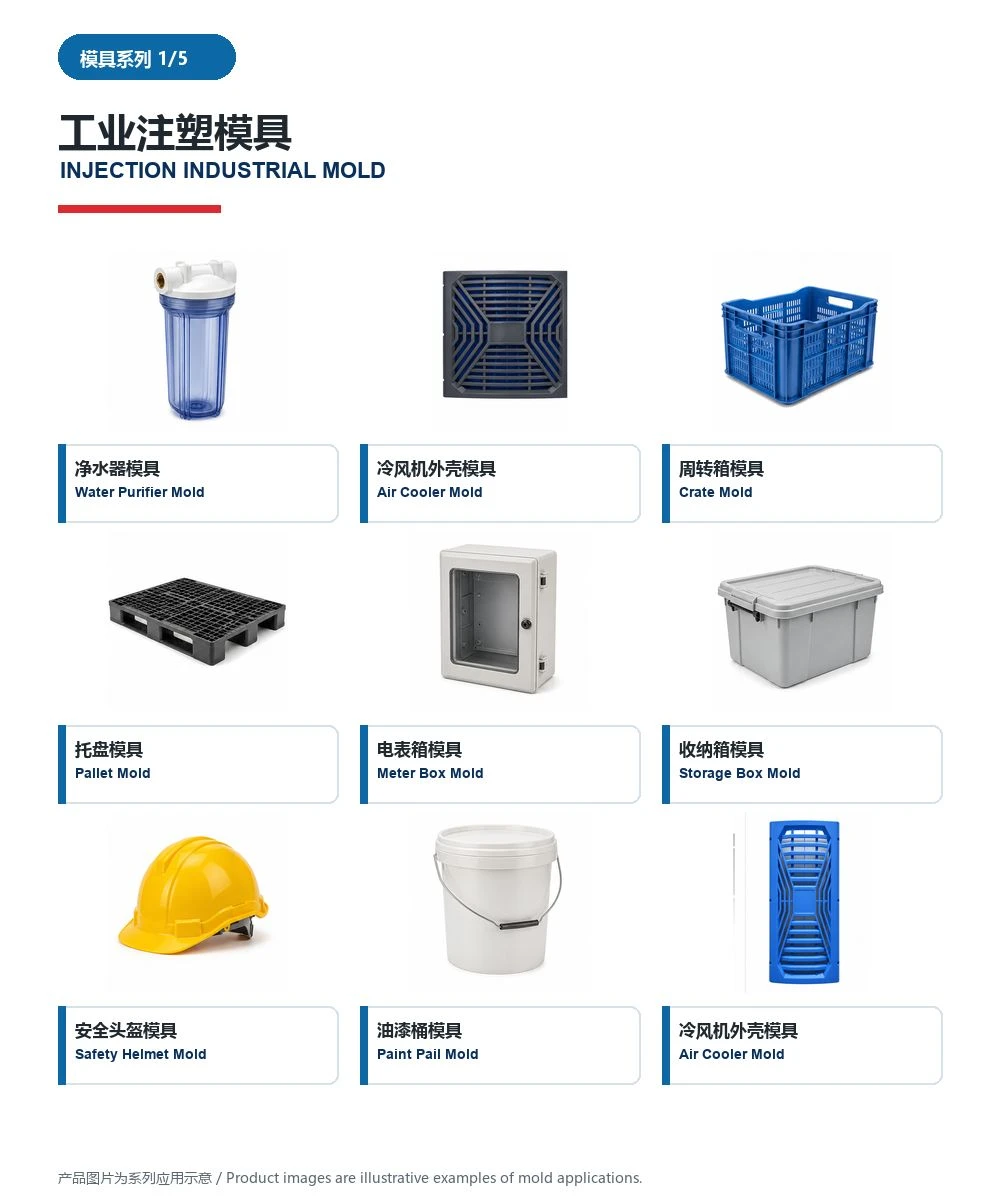
This custom Sink Compression Mold is developed for producing kitchen sinks, laundry sinks, utility basins and related composite parts with integrated worktops, washboard areas, drain openings or overflow features. It may also be described as an SMC Sink Mold, BMC Sink Mold, FRP Sink Mold or Composite Sink Molding Tool. Custom development is available from customer-supplied 2D drawings, 3D models or physical samples.
The cavity quantity, sink geometry, product dimensions, installation details, overall mold size and mold weight can be customized according to the finished part, target output and production equipment. The design review considers appearance, dimensional requirements, draft, venting, material flow, part release, reinforcement and downstream assembly.
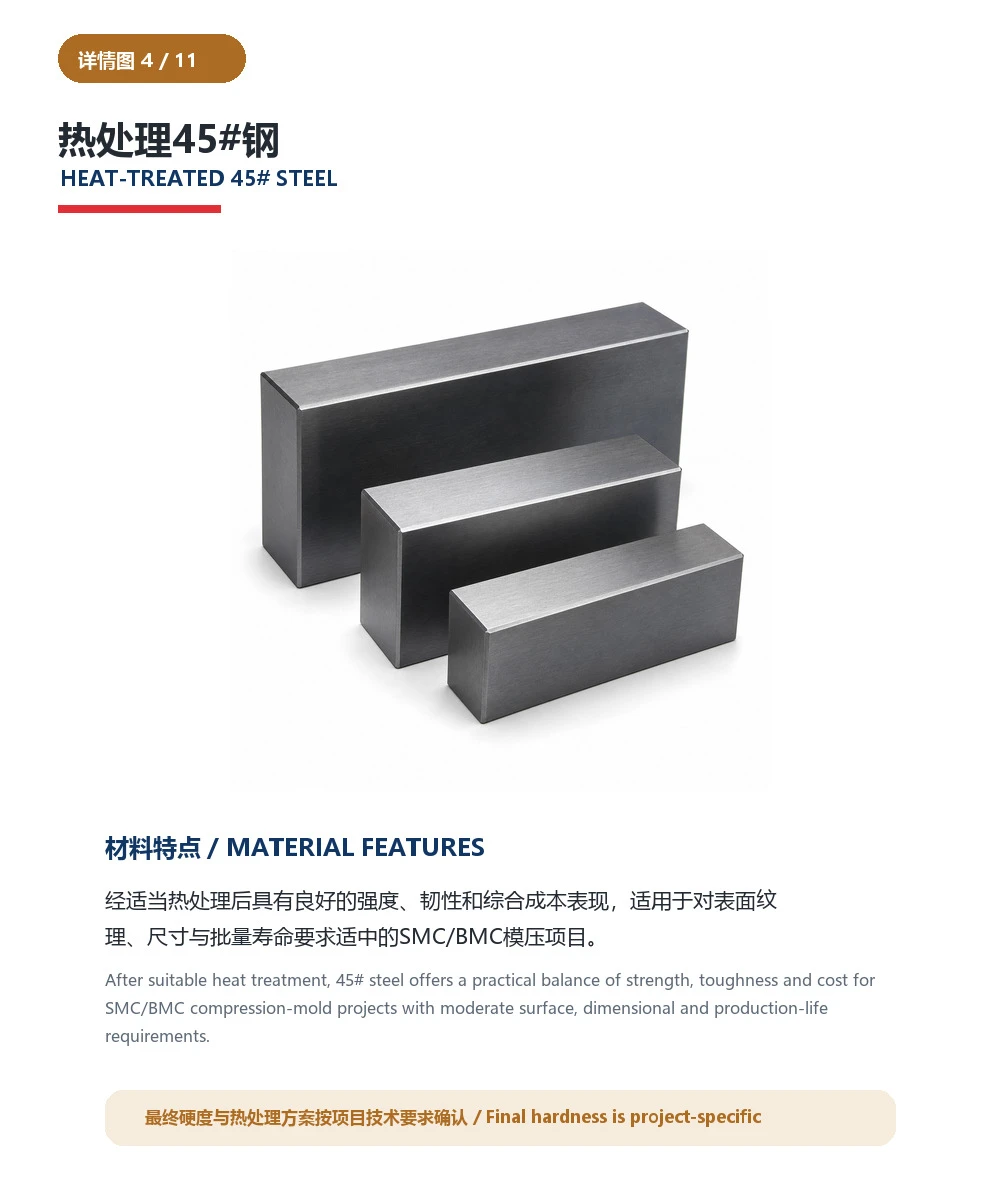
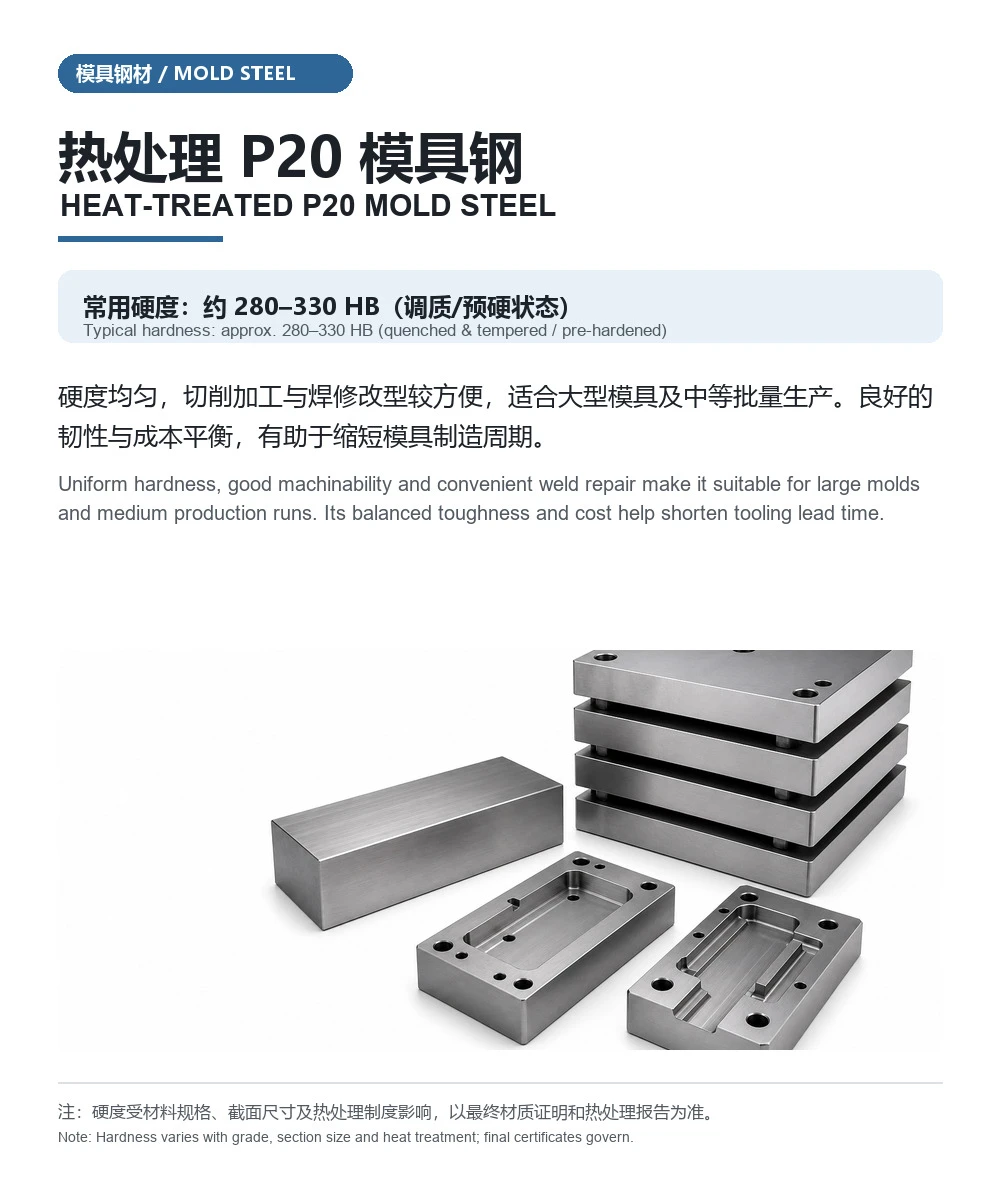
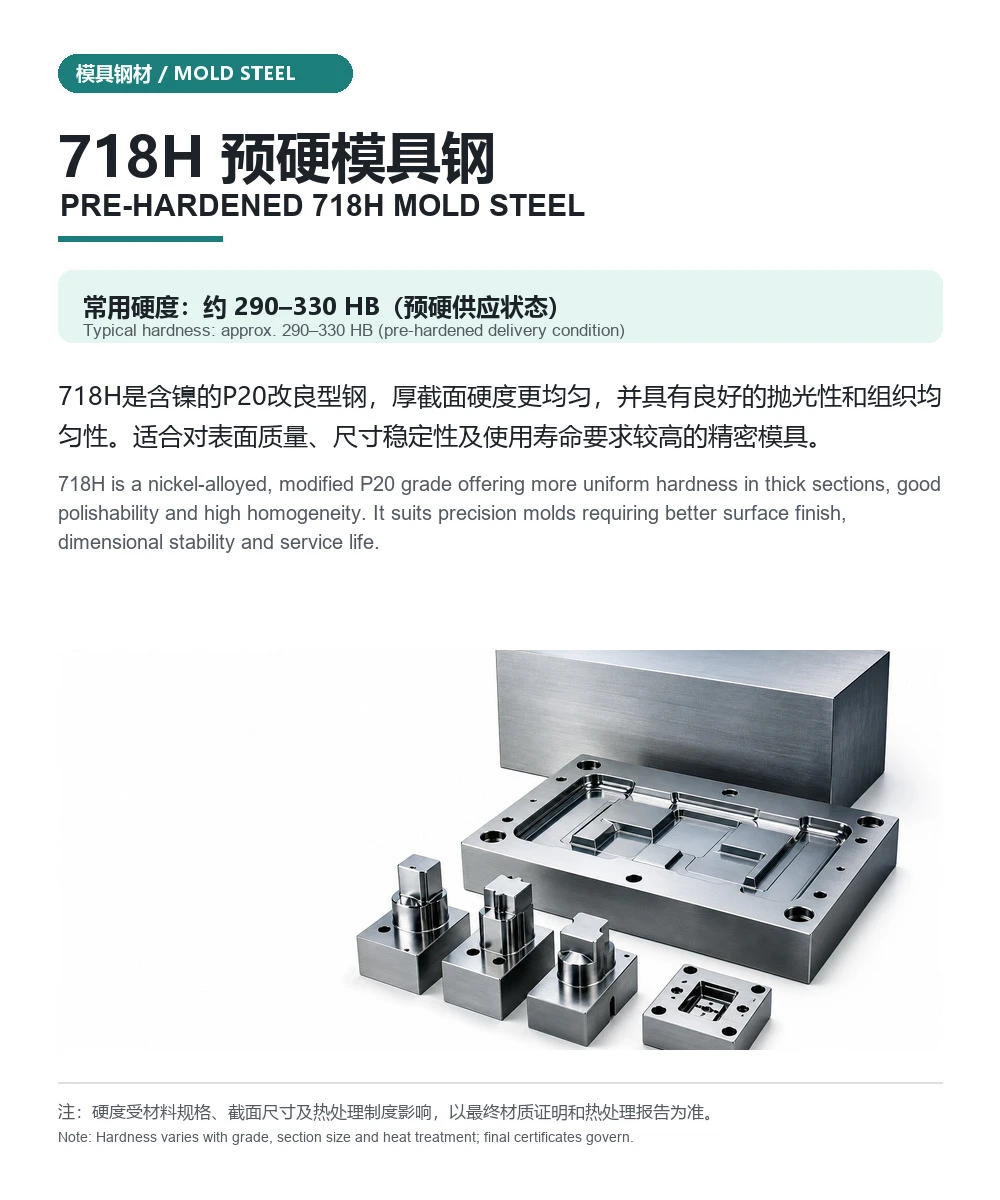
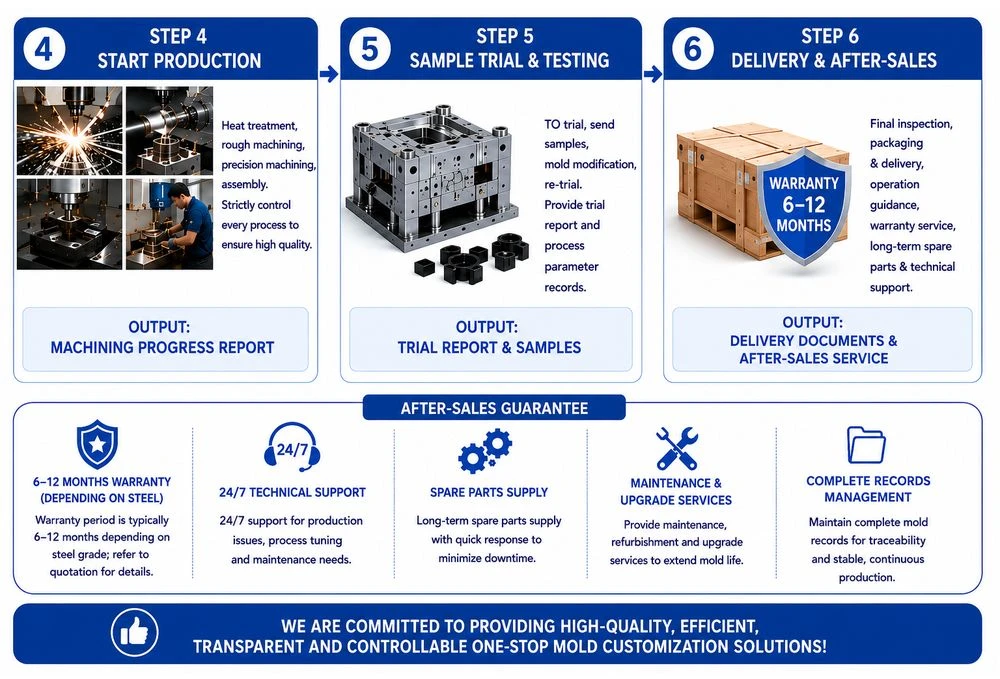
Common mold-steel options include heat-treated 45# steel, heat-treated P20, pre-hardened 718H and other project-appropriate grades. Final steel, hardness and heat-treatment requirements are confirmed against surface quality, production volume, expected service life, machining and repair needs, project budget and the applicable material certificates.
Electric heating, oil heating, steam heating and other temperature-control systems are available. Water cooling is commonly used where cooling is required, while alternative cooling arrangements can be customized. Heating zones, sensors and circuits are designed around material curing behavior, temperature uniformity, mold structure and available factory utilities.
Under approved material selection, heat treatment, molding parameters, normal operation and scheduled maintenance, the Sink Compression Mold is expected to achieve at least 500,000 molding cycles. Actual service life depends on mold steel, heat-treatment quality, composite material, molding temperature and pressure, operating practices, cleaning and maintenance frequency.
Suitable press parameters can be recommended from mold dimensions, projected area, required molding pressure, platen size, stroke, daylight and utility connections. A fixed tonnage is not specified before calculation. Normal lead time is approximately 40–50 days, subject to design approval, material availability, trials and the agreed project schedule.
Final acceptance is based on approved drawings, the technical specification, mold trials and sample confirmation. Sink appearance, dimensions and molding stability also depend on the material system, charge placement, curing profile, press condition and quality control.
Application Scenarios
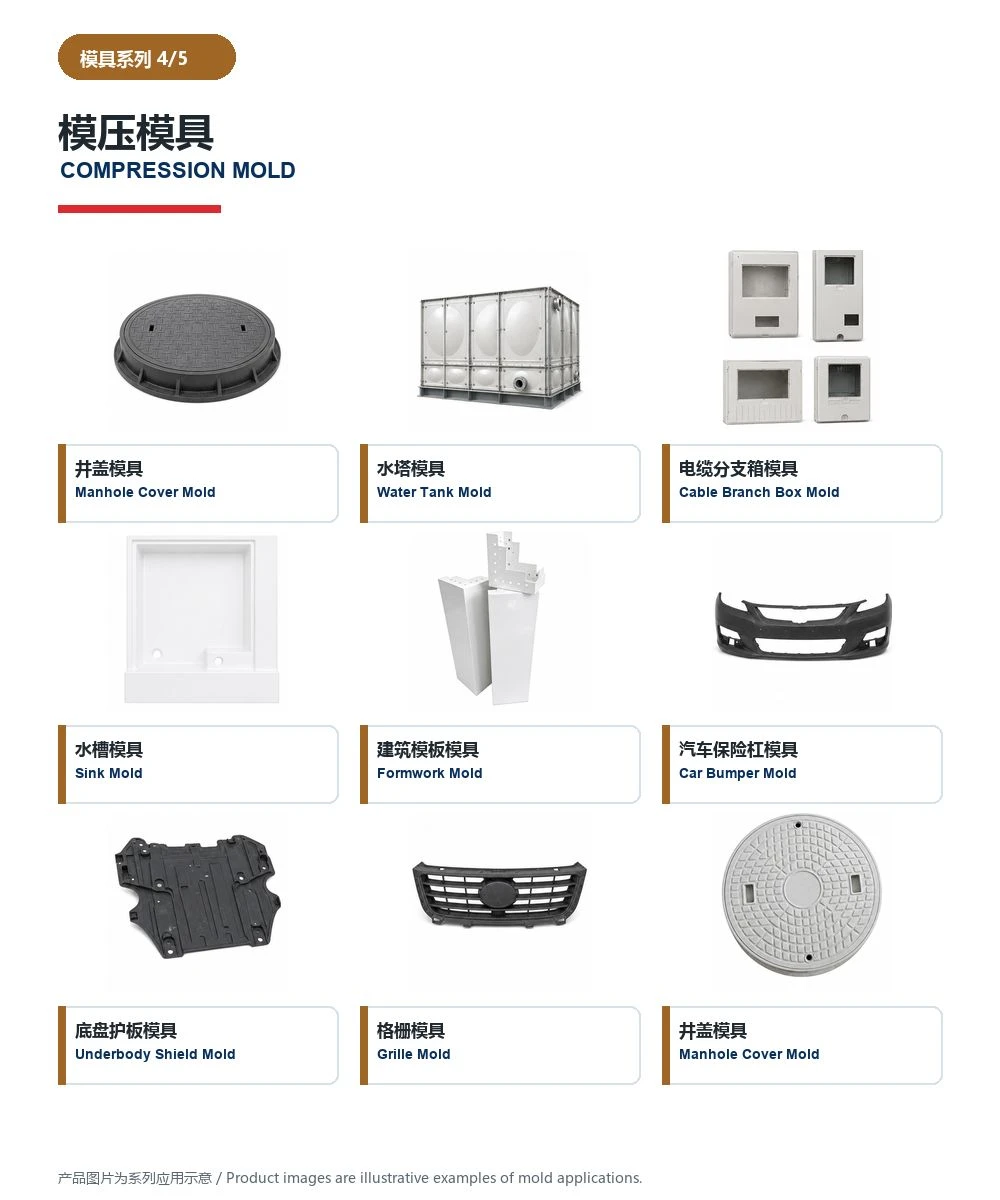
Sink compression molds are used for producing SMC, BMC and technically compatible FRP kitchen sinks, laundry sinks, utility basins and customized washing products. Typical applications include residential kitchens, laundry areas, public washing spaces and equipment requiring corrosion-resistant, easy-to-clean composite sink components. Mold design can accommodate worktops, washboard sections, drain holes, overflow openings, installation edges and reinforcement features.
Each Sink Mold can be customized according to product size, installation method, material system, surface finish and production process. It is suitable for prototype development, project trials and volume production. A properly evaluated parting structure, venting system, draft, heating arrangement and cooling solution can improve forming stability, dimensional consistency and demolding performance.
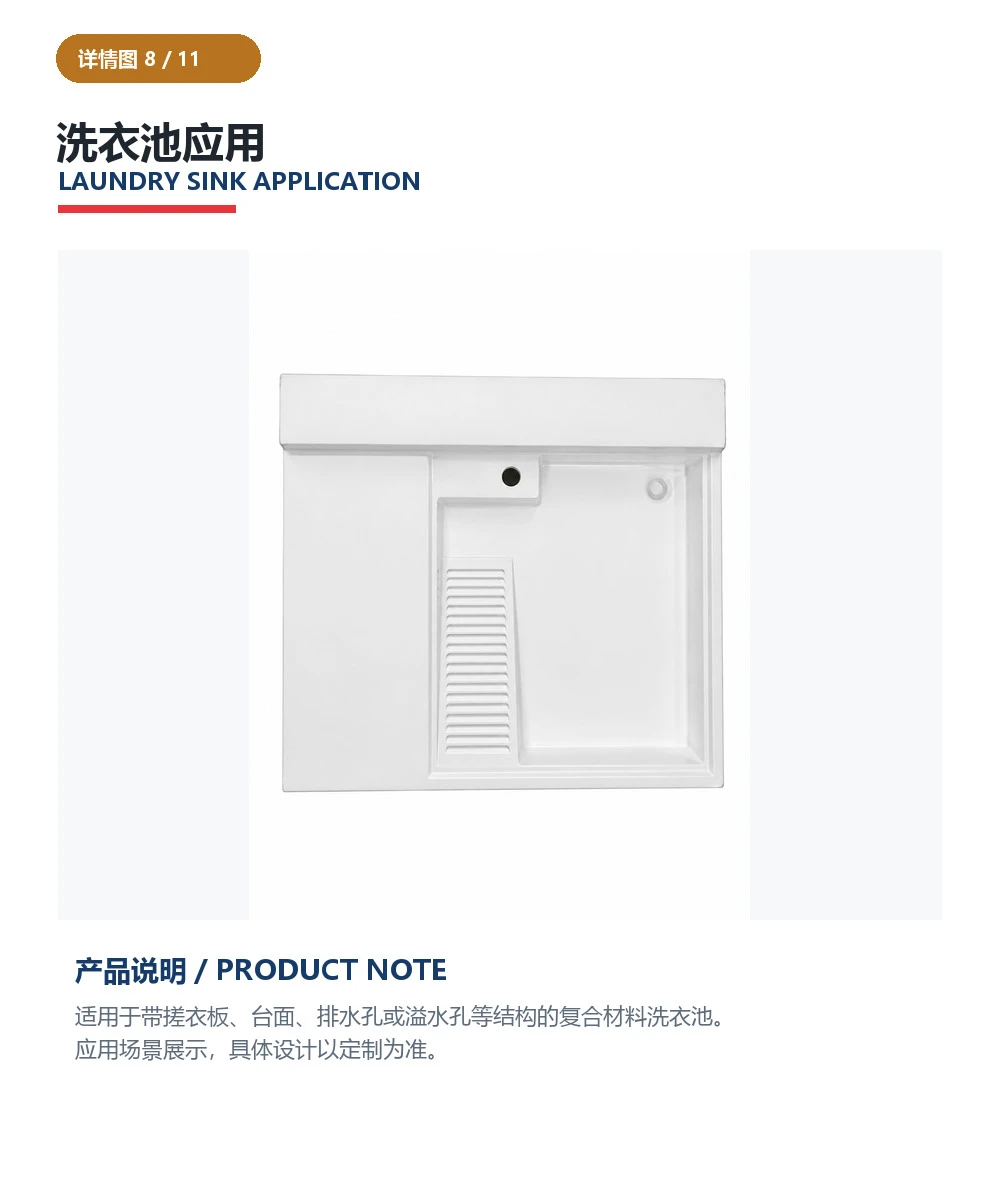
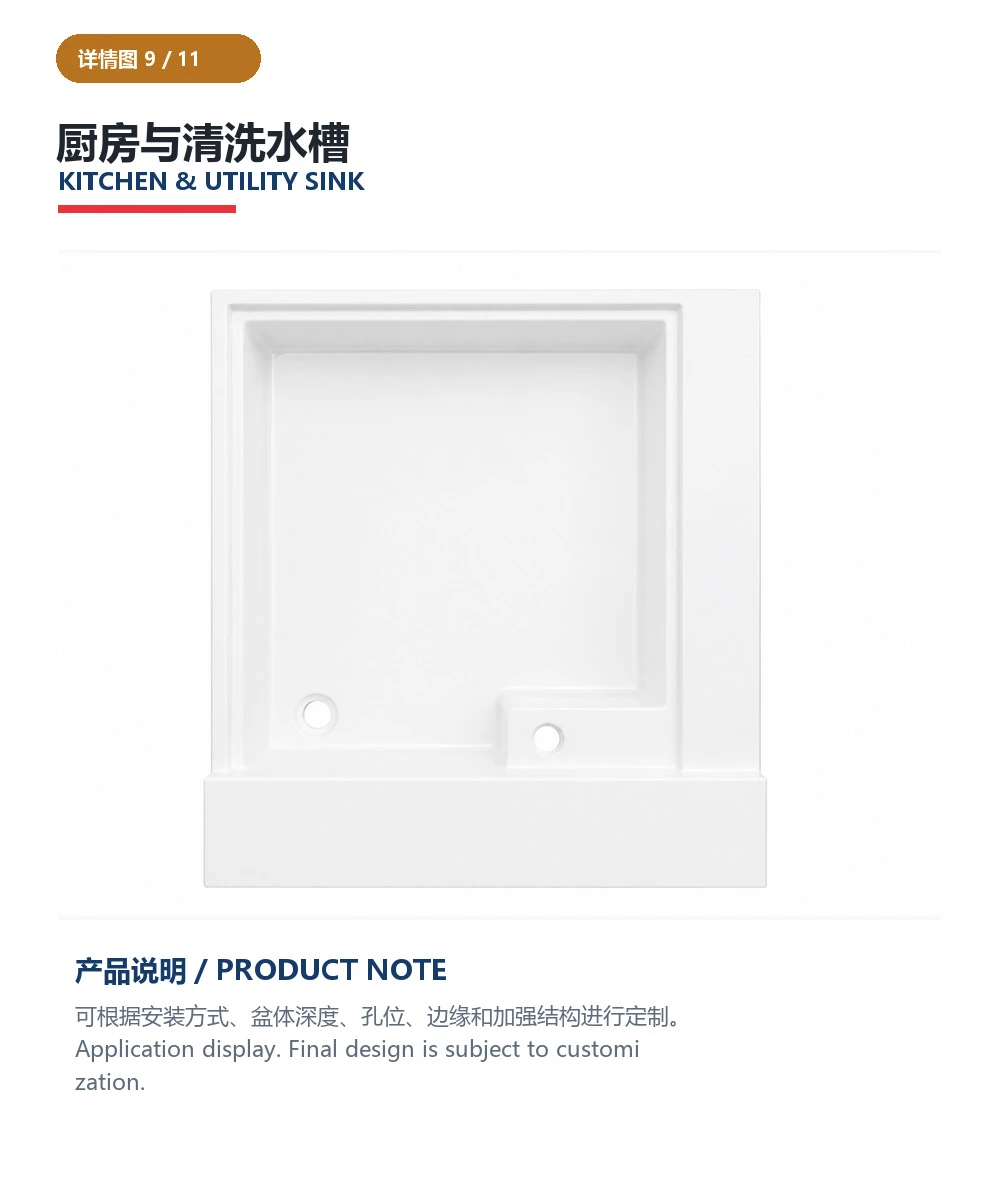
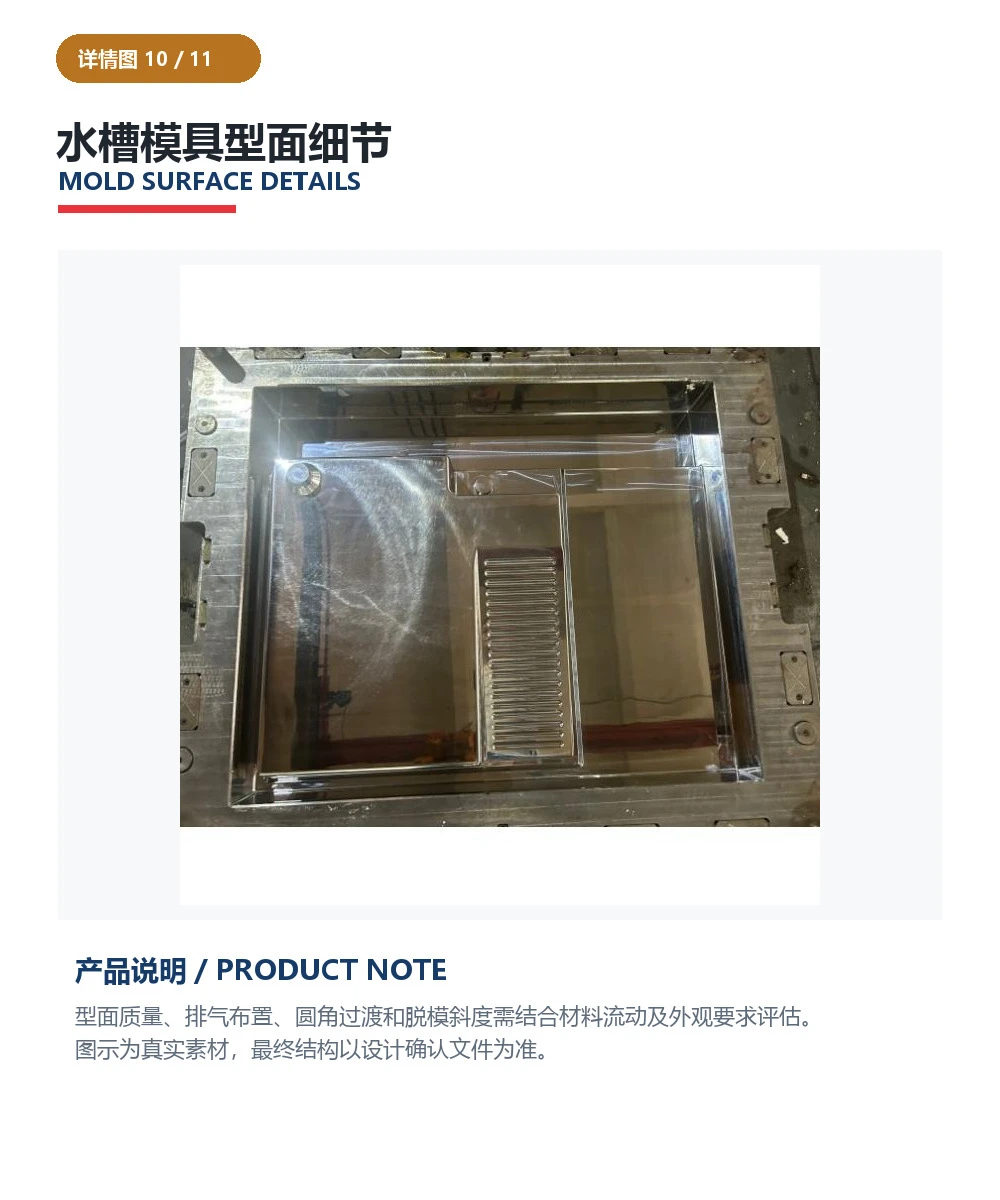
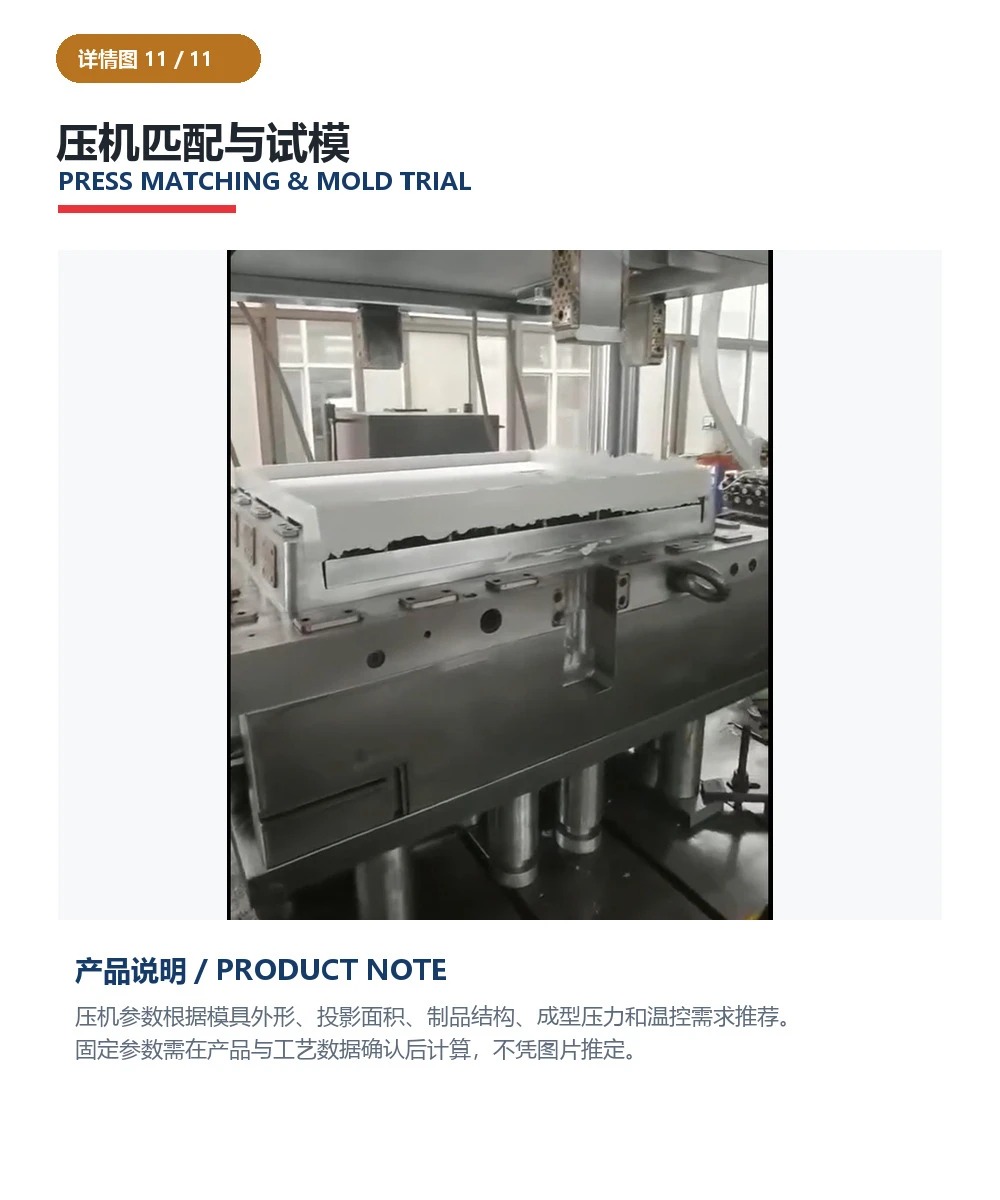
Application display. Final design is subject to customization.
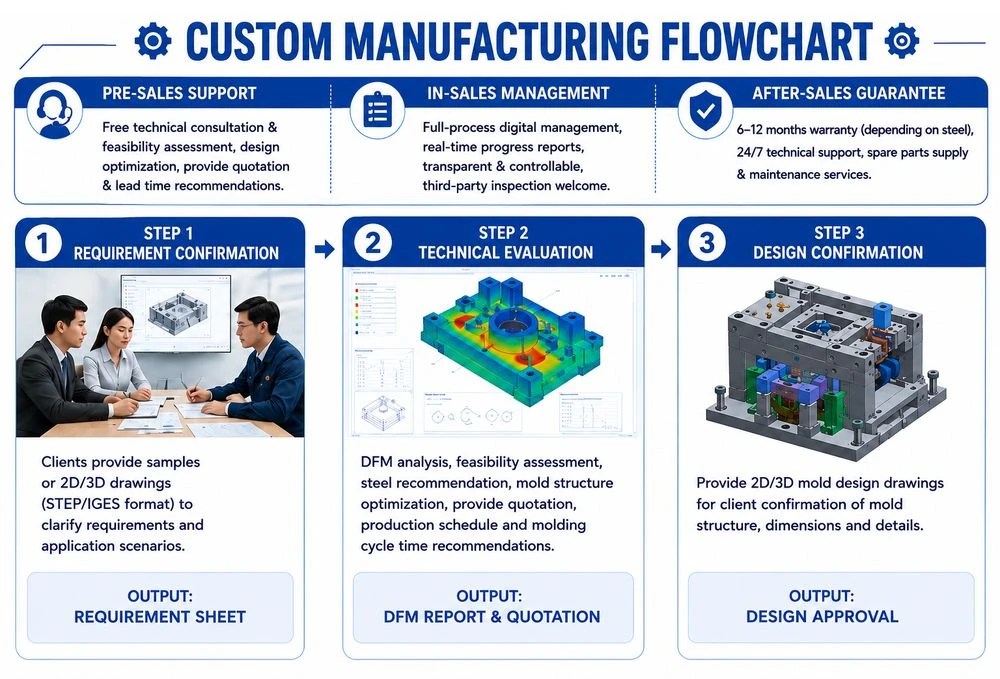
Mold Customization Process
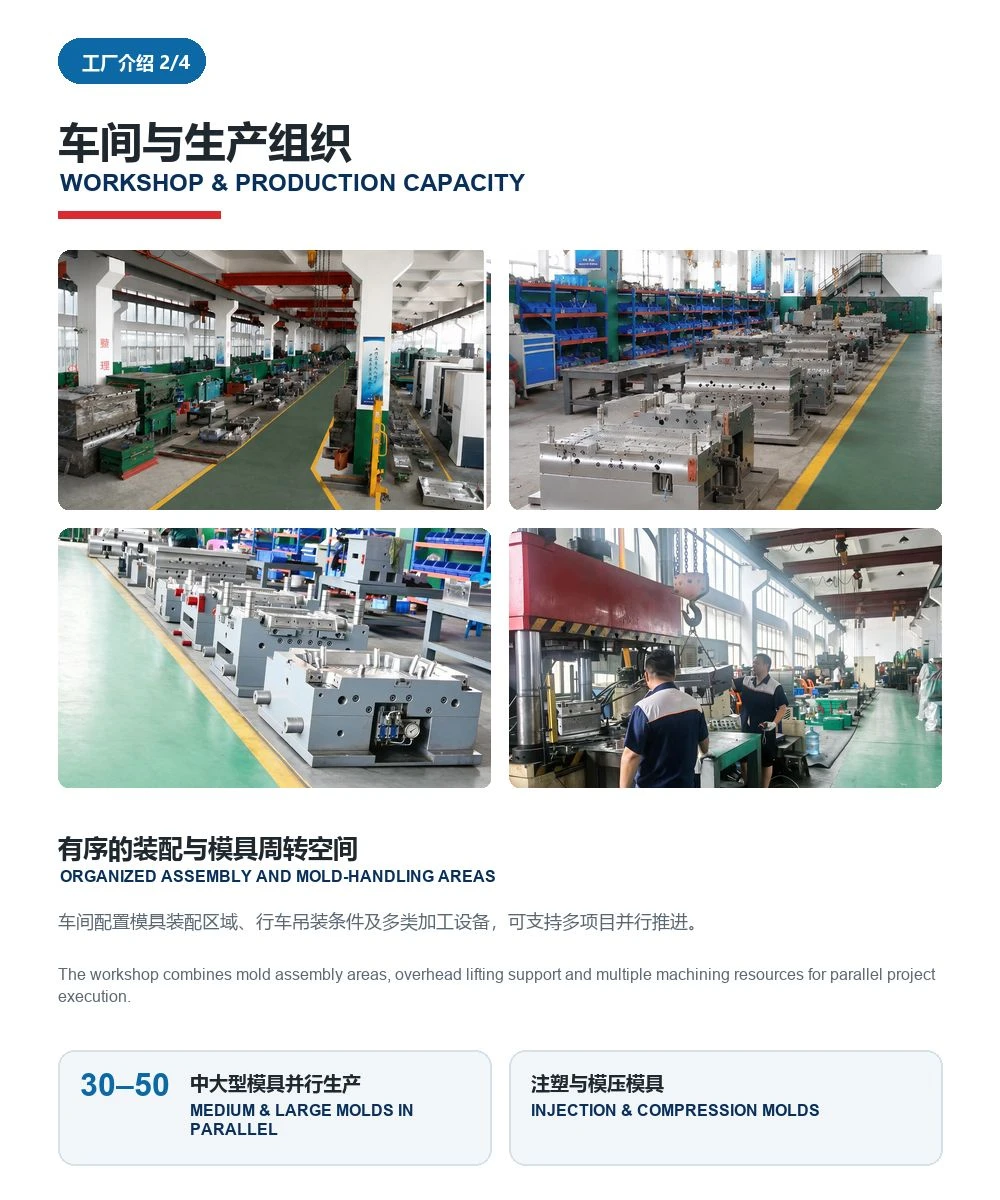
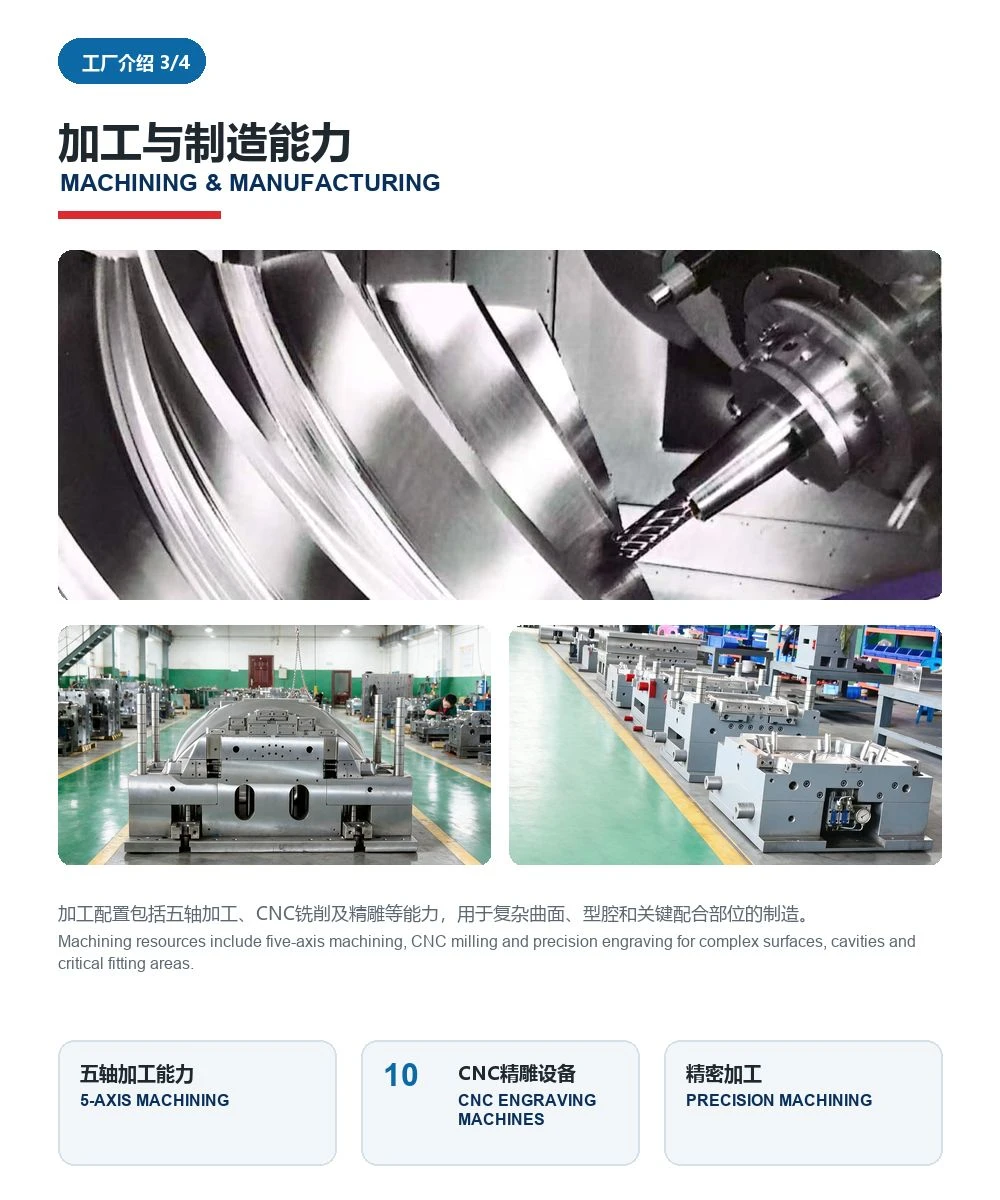
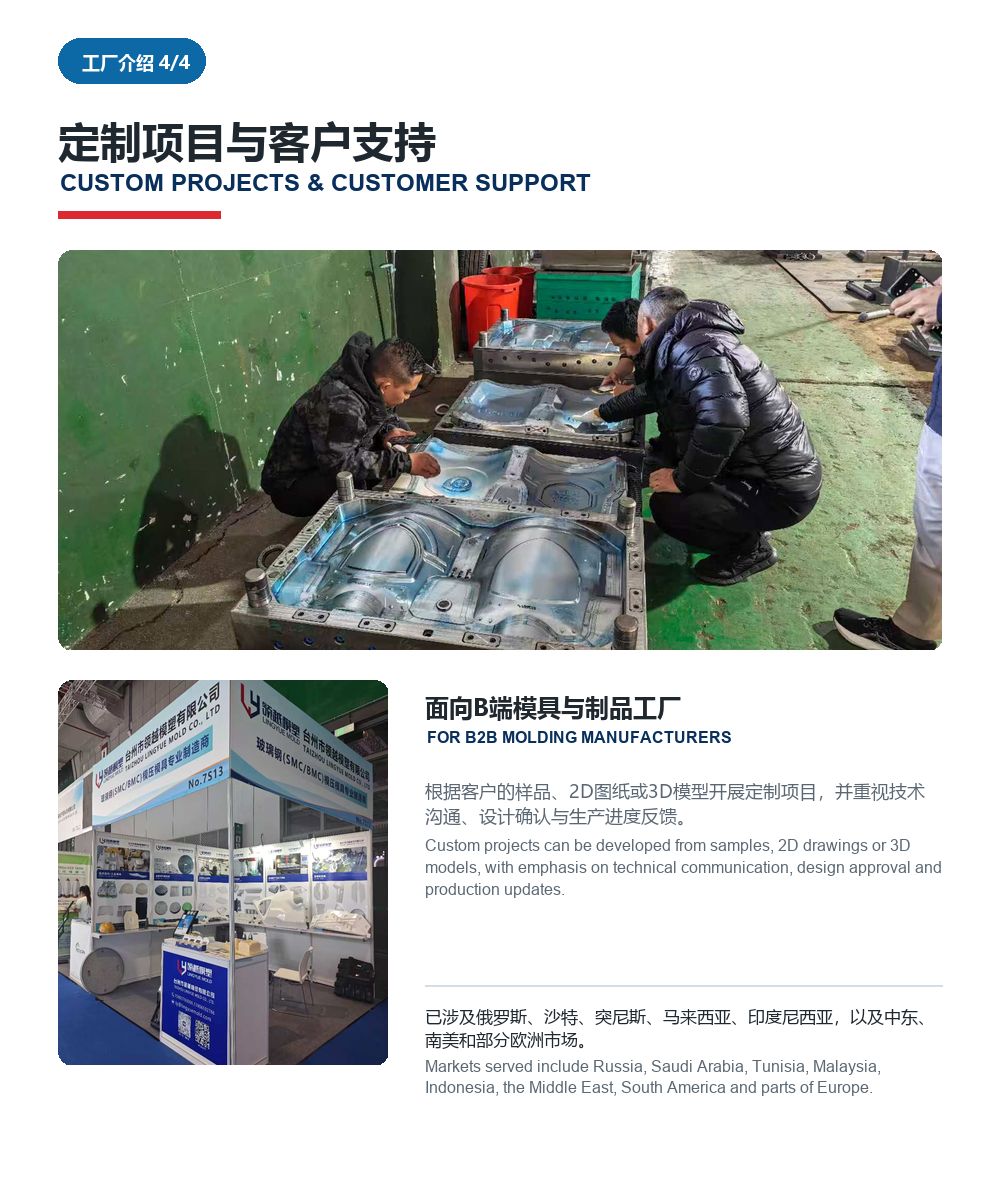
Factory Introduction
Sink Compression Mold FAQ
Q: Can you develop a sink mold from my 3D model or physical sample?
A: Yes. Development can start from a 3D model, dimensioned 2D drawing or measurable physical sample. Drain locations, installation edges, wall thickness, draft, tolerances and appearance surfaces must be confirmed before the mold design is released.
Q: Is this mold suitable for SMC, BMC and fiberglass sink products?
A: The mold can be engineered for SMC, BMC and compatible glass-fiber-reinforced composite systems. Because flow, shrinkage, curing and surface behavior differ, the exact material data sheet and recommended molding window should be supplied for review.
Q: What information do you need to prepare a formal quotation?
A: Please provide the product drawing or sample, material specification, annual output, desired surface finish, available press data and any inspection requirements. These inputs are used to evaluate mold structure, steel, temperature control, trial scope and delivery schedule.
Q: Can the cavity quantity be selected according to production capacity?
A: Yes. Cavity quantity is determined from sink dimensions, required output, molding cycle, platen area and available press capacity. For large sink parts, a single-cavity design may provide easier process adjustment and more balanced temperature and pressure control.
Q: How do you recommend a suitable compression press for the mold?
A: Press selection is based on projected molding area, required molding pressure, mold dimensions and weight, platen size, stroke, daylight and utility connections. Press tonnage must be calculated from confirmed part and process data rather than estimated from photographs.
Q: Why does an SMC sink show short shots or unfilled corners?
A: Possible causes include insufficient or poorly positioned charge, restricted material flow, low or uneven mold temperature, inadequate pressure transfer, trapped air or an unsuitable local wall section. Troubleshooting should begin with recorded process data and controlled changes.
Q: How can visible weld lines or trapped-air marks be reduced?
A: Review charge placement, flow direction, vent locations, vent cleanliness, mold temperature balance and closing sequence. Vent dimensions and process changes should be verified through trials because an excessive vent can also create flash.
Q: What causes sink warpage or unstable dimensions after molding?
A: Warpage may result from uneven temperature, nonuniform cure, inconsistent charge distribution, premature demolding, asymmetric thickness or inadequate post-molding support. Check both tooling temperature data and the complete molding cycle before modifying the mold.
Q: How can flash around the sink edge or drain opening be controlled?
A: Inspect the parting surface, shut-off areas, press parallelism, closing force, charge weight and material placement. Worn or damaged sealing areas should be repaired; simply reducing charge without checking the root cause may create incomplete filling.
Q: What should be checked if the molded sink sticks in the cavity?
A: Check draft, surface condition, undercuts, cure level, release procedure, ejection balance and possible vacuum locking around deep basin areas. Structural issues should be corrected rather than relying only on additional release agent.
Hot Tags: sink mold, China sink mold manufacturers, suppliers, factory


